


Automation in Roller Sheet Bending- What You Need to Know
Introduction
Automation is rapidly transforming the manufacturing industry, and roller sheet bending is no exception. Automated roller sheet bending machines offer numerous advantages, including increased efficiency, improved accuracy, and reduced labor costs. In this article, we’ll explore the key aspects of automation in roller sheet bending and provide insights into what you need to know to leverage this technology.
Benefits of Automated Roller Sheet Bending
Increased Efficiency: Automated machines can operate 24/7 without the need for human intervention, significantly increasing production rates and optimizing production flow.
Improved Accuracy: CNC (Computer Numerical Control) systems in automated machines provide precise control over bend angles and dimensions, ensuring consistent and accurate results.
Reduced Labor Costs: Automation eliminates the need for multiple operators to manually maneuver sheets, reducing labor costs and freeing up employees for other tasks.
Enhanced Safety: Automated systems minimize the risk of workplace accidents by eliminating human error and exposure to heavy equipment.
Types of Automated Roller Sheet Bending Machines
3-Roll Machines: These machines use three rolls to bend sheets into cylindrical shapes. They are suitable for bending thin and flexible materials.
4-Roll Machines: 4-roll machines offer increased control and precision compared to 3-roll machines. They can bend thicker materials and produce more complex shapes.
CNC-Controlled Machines: CNC-controlled machines allow for programmable bending operations, enabling the creation of repetitive, complex, and high-volume bends.
Considerations for Automation
Material Suitability: Not all materials are suitable for automated roller sheet bending. Factors such as material thickness, strength, and ductility should be considered.
Machine Capacity: Determine the appropriate machine size and capacity based on the dimensions and thickness of the sheets to be bent.
Production Volume: The volume of production will influence the level of automation required. High-volume production typically requires more advanced and automated machines.
Cost and ROI: Carefully assess the cost of automation and calculate the potential return on investment (ROI). Consider factors such as labor savings, increased efficiency, and improved product quality.
Conclusion
Automation in roller sheet bending is a valuable tool that can significantly enhance productivity, precision, and safety. By understanding the benefits, types, and considerations involved, manufacturers can leverage this technology to optimize their sheet bending operations and gain a competitive advantage.
-
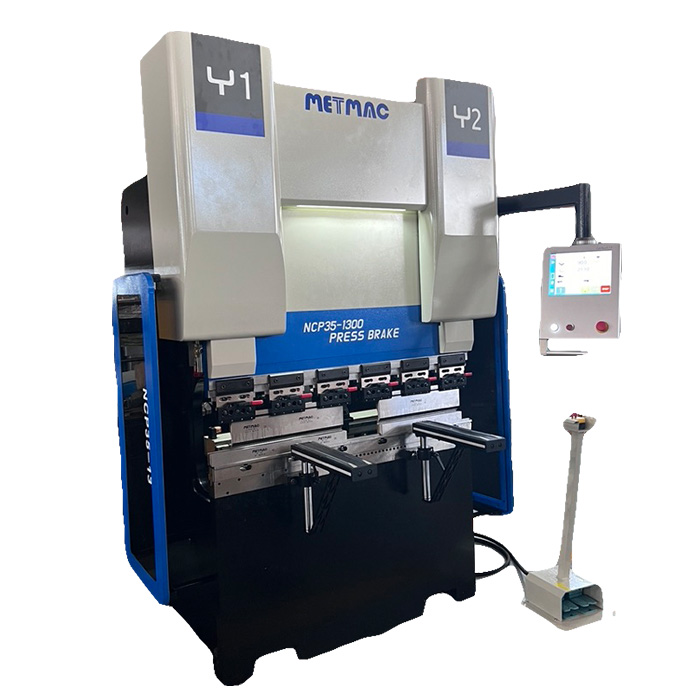
Press Metal Machine: The Definitive Guide to Precision Metal Forming
2026/03/12 -
Metal Punching Machine: The Ultimate Guide to Precision Hole Punching
2026/03/10 -
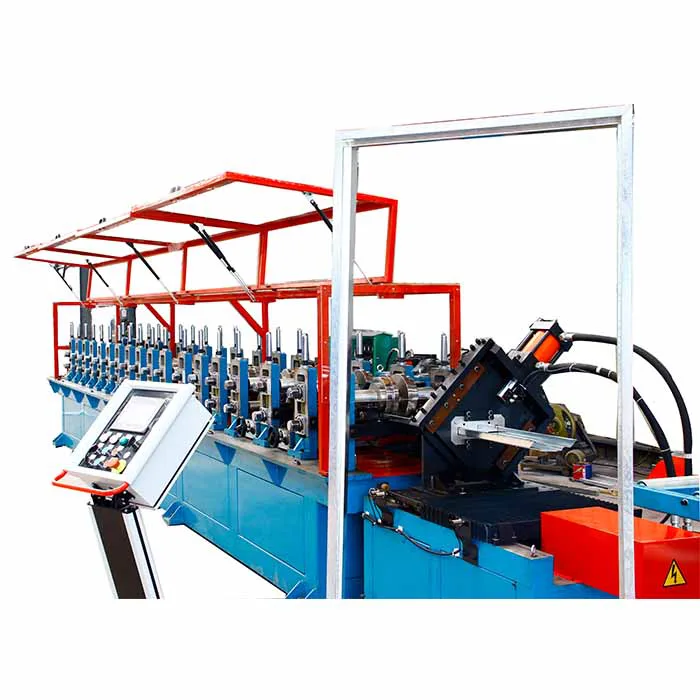
Sheet Metal Machinery: The Ultimate Guide to Industrial Fabrication Excellence
2026/03/04 -
Iron Sheet Laser Cutting Machine: Unmatched Precision for Demanding Fabrication with METMAC
2026/01/06
-
Sheet Metal Press Brake: Ultimate Guide to Precision Bending Technology in 2024
2026/03/13 -
Metal Punching Machine: Ultimate Guide to Precision Manufacturing in 2024
2026/03/11 -
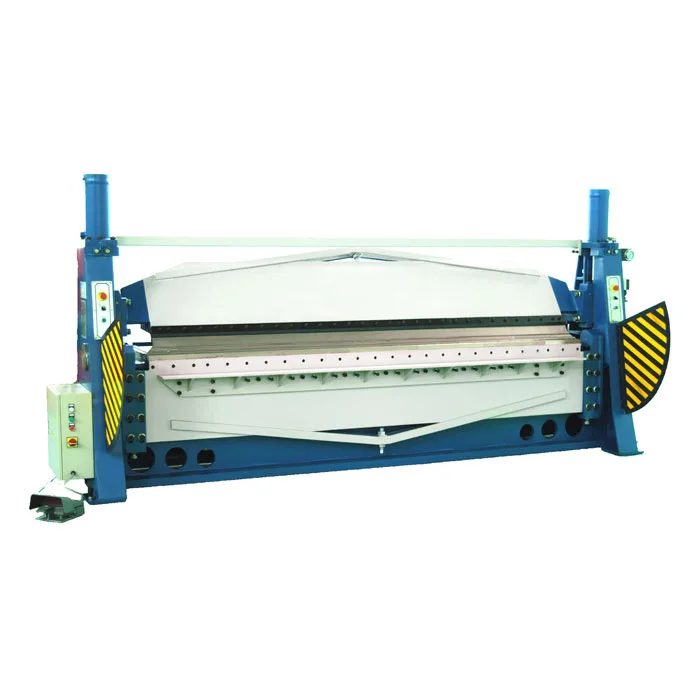
Metal Folding Machine: Comprehensive Guide to Precision Bending in 2024
2026/03/09 -
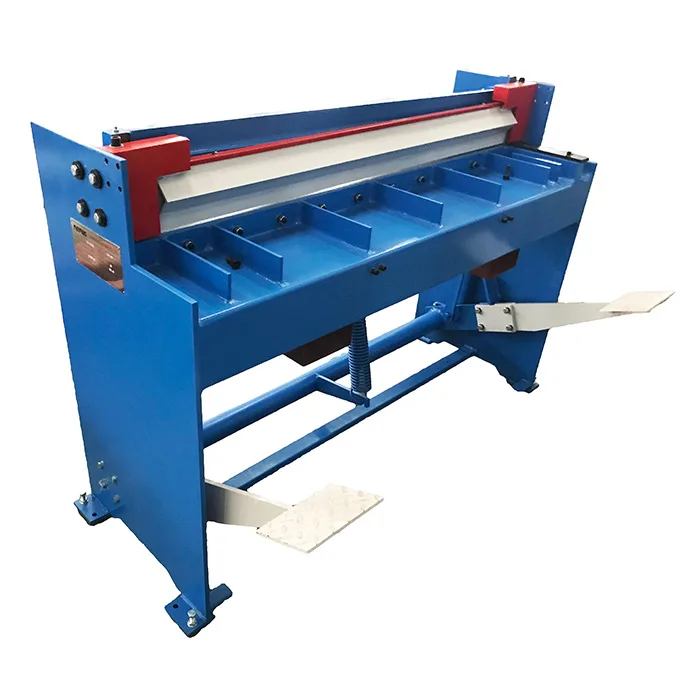
Sheet Metal Equipment: Ultimate Guide to Industrial Fabrication Solutions in 2026
2026/03/06
-
A Guide to the Latest Innovations in Sheet Metal Folding Machines
2024/11/29 -
Key Features to Consider When Investing in a Sheet Metal Folding Machine
2024/11/28 -
Enhancing Precision with Advanced Sheet Metal Folding Machines
2024/11/27 -
How to Choose the Right Sheet Metal Folding Machine for Your Workshop
2024/11/26
