


Addressing Common Challenges in Roll Forming
Roll forming is a highly efficient and precise manufacturing process that shapes metal coils into complex shapes. However, this process also comes with its unique set of challenges. This article delves into the common challenges encountered in roll forming and explores strategies to overcome them.
Raw Material Variation
One of the biggest challenges in roll forming is dealing with the variability of the raw material. Variations in thickness, shape, and composition can affect the accuracy and consistency of the final product. To address this issue, roll forming machines must incorporate adjustable rollers that can accommodate different material parameters. Additionally, the use of high-quality raw materials and proper storage practices can help minimize variation.
Machine Setup and Maintenance
Proper machine setup and maintenance are crucial for successful roll forming. The rollers must be precisely aligned and adjusted to ensure the desired profile and dimensional accuracy. Regular maintenance and calibration of the machine, including lubrication and replacement of worn components, help maintain optimal performance and extend the machine’s lifespan.
Roll Wear and Maintenance
Continuous forming operations cause wear on the rolls, which can affect the quality of the finished product. To overcome this challenge, roll forming companies employ roll maintenance strategies such as periodic sharpening, grinding, and reconditioning. Using wear-resistant roll materials and selecting the appropriate roll design for the specific application can also extend roll life.
Material Flow and Tension Control
Proper material flow and tension control are essential for accurate and consistent roll forming. Variations in material tension can lead to dimensional errors, wrinkling, or even breakage. To address this issue, roll forming lines incorporate sensors and control systems to monitor and adjust tension throughout the process. Additionally, the use of special roll designs and material guides can help maintain material alignment and prevent slippage.
Finished Product Inspection and Quality Control
Ensuring the quality of the finished product is vital in roll forming. Non-destructive testing methods such as laser scanning or ultrasonic inspection can be employed to identify potential defects or dimensional deviations. Statistical process control (SPC) techniques and quality management systems help monitor and maintain process stability, ensuring consistent product quality.
Conclusion
Addressing common challenges in roll forming requires a multifaceted approach that involves managing raw material variability, ensuring proper machine setup and maintenance, employing effective roll wear management strategies, controlling material flow and tension, and implementing rigorous finished product inspection and quality control procedures. By tackling these challenges effectively, roll forming companies can optimize their processes, enhance product quality, and increase production efficiency.
-
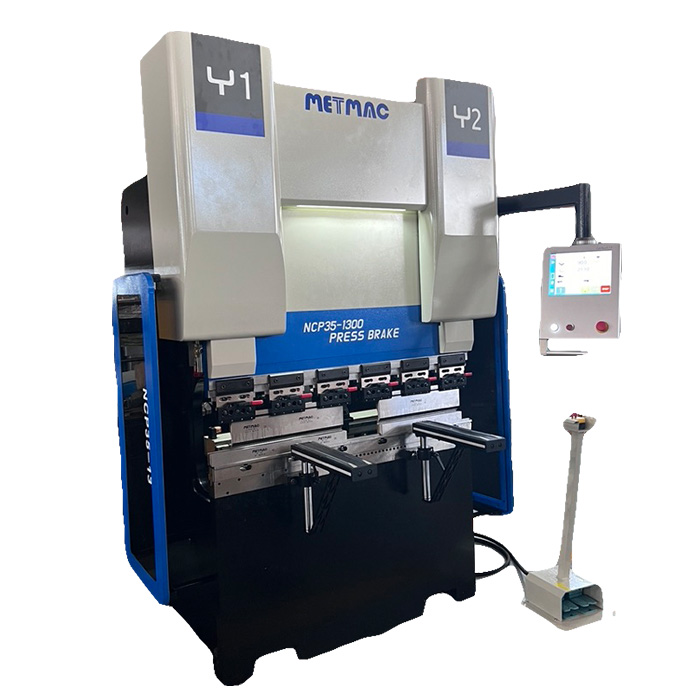
Press Metal Machine: The Definitive Guide to Precision Metal Forming
2026/03/12 -
Metal Punching Machine: The Ultimate Guide to Precision Hole Punching
2026/03/10 -
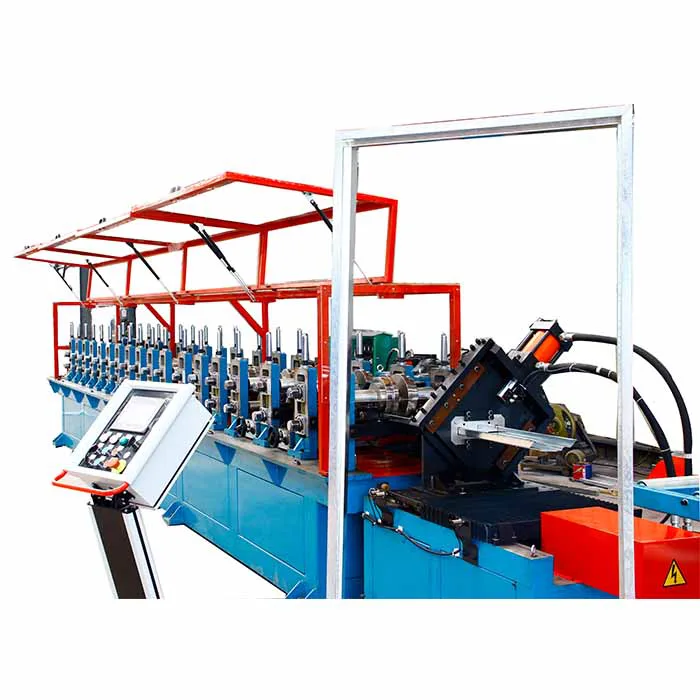
Sheet Metal Machinery: The Ultimate Guide to Industrial Fabrication Excellence
2026/03/04 -
Iron Sheet Laser Cutting Machine: Unmatched Precision for Demanding Fabrication with METMAC
2026/01/06
-
Sheet Metal Press Brake: Ultimate Guide to Precision Bending Technology in 2024
2026/03/13 -
Metal Punching Machine: Ultimate Guide to Precision Manufacturing in 2024
2026/03/11 -
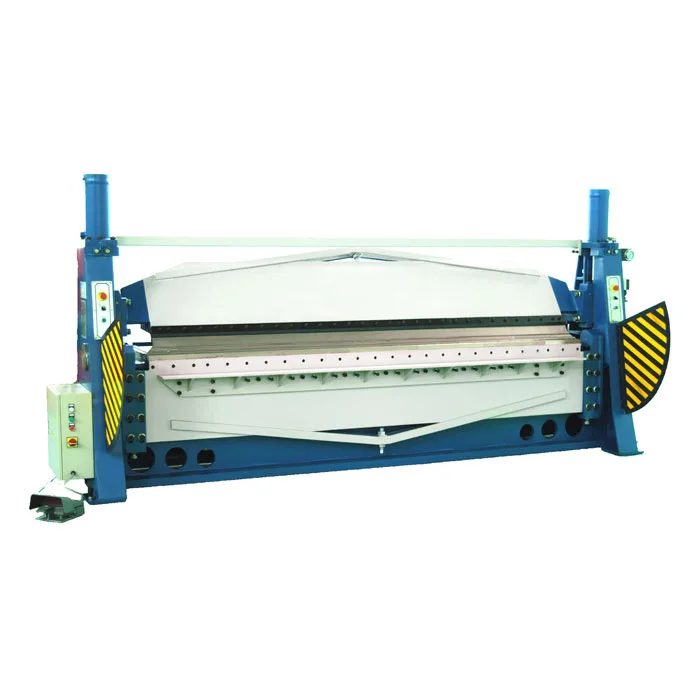
Metal Folding Machine: Comprehensive Guide to Precision Bending in 2024
2026/03/09 -
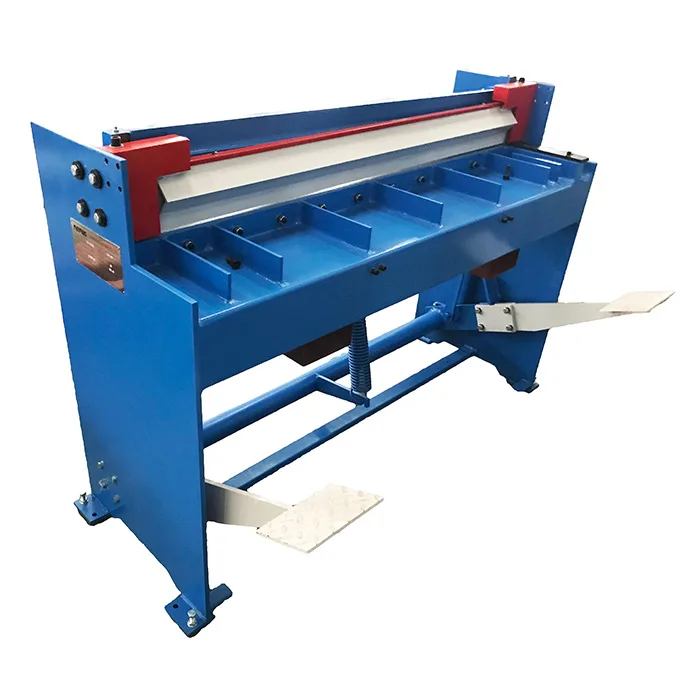
Sheet Metal Equipment: Ultimate Guide to Industrial Fabrication Solutions in 2026
2026/03/06
-
A Guide to the Latest Innovations in Sheet Metal Folding Machines
2024/11/29 -
Key Features to Consider When Investing in a Sheet Metal Folding Machine
2024/11/28 -
Enhancing Precision with Advanced Sheet Metal Folding Machines
2024/11/27 -
How to Choose the Right Sheet Metal Folding Machine for Your Workshop
2024/11/26
