


Exploring Hydraulic vs. Mechanical Press Brakes- Which is Better?
In the realm of sheet metal fabrication, press brakes reign supreme as the indispensable tools for bending and shaping metal. Two predominant types of press brakes available in the market today are hydraulic and mechanical press brakes, each boasting distinct advantages and drawbacks. Understanding their differences is crucial to determining which type aligns best with specific fabrication needs.
Force and Precision:
Hydraulic Press Brakes:
Hydraulic press brakes employ a hydraulic cylinder to exert force, providing unparalleled accuracy and repeatability. Their ability to maintain precise pressure throughout the bending process ensures consistent bends and minimizes springback. Additionally, hydraulic press brakes offer a wide force range, allowing for the bending of various material thicknesses with great precision.
Mechanical Press Brakes:
Mechanical press brakes, on the other hand, utilize a flywheel and clutch mechanism to generate force. They are renowned for their exceptionally high force output, making them ideal for heavy-duty applications or working with thick materials. However, due to the mechanical nature of the process, precision can be somewhat limited compared to hydraulic brakes.
Speed and Energy Consumption:
Hydraulic Press Brakes:
Hydraulic press brakes generally operate at lower speeds than mechanical press brakes, as the hydraulic system takes time to build up pressure. However, they consume relatively less energy due to the efficiency of the hydraulic system.
Mechanical Press Brakes:
Mechanical press brakes excel in terms of speed, significantly outperforming hydraulic brakes. Their quick cycle times make them suitable for high-volume production where speed is a priority. However, this higher speed comes at the cost of increased energy consumption.
Versatility and Tooling:
Hydraulic Press Brakes:
Hydraulic press brakes offer exceptional versatility, allowing for the use of various tooling options, such as crowning tools and multi-V dies. This versatility extends their capabilities to produce different bend shapes and accommodate a wide range of materials.
Mechanical Press Brakes:
Mechanical press brakes are typically less versatile compared to hydraulic brakes, limiting the types of tooling that can be used. They primarily utilize basic tooling and may not be suitable for complex bending operations.
Maintenance and Cost:
Hydraulic Press Brakes:
Hydraulic press brakes require regular maintenance, including hydraulic fluid changes and monitoring of the hydraulic system. While their initial cost may be higher than mechanical press brakes, their extended lifespan and reduced maintenance costs often offset this difference over time.
Mechanical Press Brakes:
Mechanical press brakes generally require less frequent maintenance, as they have fewer moving parts compared to hydraulic brakes. However, their high-impact operation can lead to increased wear and tear on components, potentially resulting in higher long-term maintenance costs.
Conclusion:
The choice between hydraulic and mechanical press brakes depends on the specific fabrication requirements. Hydraulic press brakes excel in applications where precision and versatility are paramount, while mechanical press brakes are ideal for high-volume production and heavy-duty bending. By understanding the advantages and drawbacks of each type, manufacturers can make an informed decision that optimizes productivity and meets the demands of their unique operations.
-
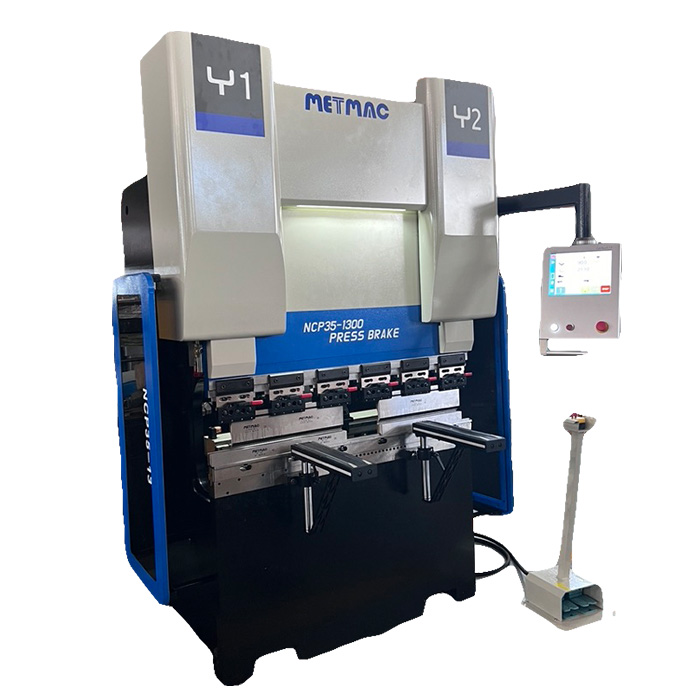
Press Metal Machine: The Definitive Guide to Precision Metal Forming
2026/03/12 -
Metal Punching Machine: The Ultimate Guide to Precision Hole Punching
2026/03/10 -
Sheet Metal Machinery: The Ultimate Guide to Industrial Fabrication Excellence
2026/03/04 -
Iron Sheet Laser Cutting Machine: Unmatched Precision for Demanding Fabrication with METMAC
2026/01/06
-
Sheet Metal Press Brake: Ultimate Guide to Precision Bending Technology in 2024
2026/03/13 -
Metal Punching Machine: Ultimate Guide to Precision Manufacturing in 2024
2026/03/11 -
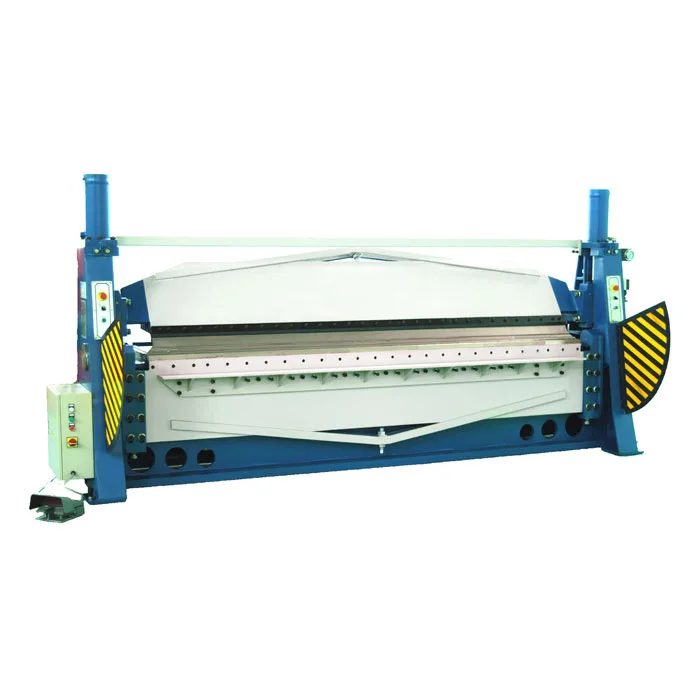
Metal Folding Machine: Comprehensive Guide to Precision Bending in 2024
2026/03/09 -
Sheet Metal Equipment: Ultimate Guide to Industrial Fabrication Solutions in 2026
2026/03/06
-
Integrating Automation with Rectangular Duct Machines for Enhanced Productivity
2024/05/11 -
Metal Shear Machines- Essential Tools for Precision Metal Cutting
2024/05/11 -
Understanding the Role and Function of Steel Strip Slitting Machines
2024/05/11 -
Maintenance Tips for Longevity of HVAC Duct Machines
2024/05/11
-
A Guide to the Latest Innovations in Sheet Metal Folding Machines
2024/11/29 -
Key Features to Consider When Investing in a Sheet Metal Folding Machine
2024/11/28 -
Enhancing Precision with Advanced Sheet Metal Folding Machines
2024/11/27 -
How to Choose the Right Sheet Metal Folding Machine for Your Workshop
2024/11/26
