


Choosing the Right Materials and Tooling for Roll Forming
Roll forming is a versatile manufacturing process that converts flat metal sheets into complex profiles. Selecting the appropriate materials and tooling is crucial for producing high-quality products efficiently. This article explores key considerations when choosing materials and tooling for roll forming.
Selecting the Right Material
Material Thickness
Material thickness directly affects roll forming performance. Thicker materials require higher forming forces and more robust tooling. Thinner materials may be more prone to buckling and require specialized handling.
Material Strength
The strength of the material determines its resistance to deformation during roll forming. High-strength materials generally require more forming force and specialized tooling. Lower-strength materials may be easier to form, but they may have limited structural integrity.
Material Formability
Formability refers to the material’s ability to withstand bending and stretching without cracking. Highly formable materials allow for complex shapes with tight radii, while less formable materials require larger radii and may be more susceptible to tearing.
Tooling Selection
Tooling Type
Roll forming tooling consists of a series of stations, each with a specific shape or function. These stations may include forming rolls, backup rolls, and guide rolls. Selecting the appropriate tooling type depends on the profile being formed.
Tooling Material
Tooling materials must withstand high stresses and abrasive wear. Commonly used materials include hardened steel, carbide, and tungsten carbide. Harder materials offer longer tool life, but they may be more expensive.
Tooling Geometry
The geometry of the tooling determines the shape and accuracy of the formed profile. Accurate tooling contours ensure close tolerance forming, while oversized or undersized tools can lead to dimensional errors.
Tooling Maintenance
Proper tooling maintenance is essential for consistent roll forming performance. Regular cleaning, lubrication, and inspection help extend tool life and prevent costly downtime.
Additional Considerations
In addition to materials and tooling, other factors influence roll forming success:
Lubrication
Proper lubrication reduces friction and wear between the material and tooling, improving formability and tool life.
Process Parameters
Optimizing process parameters, such as forming speed, roll gap, and tension, ensure efficient and accurate forming.
Quality Control
Establishing quality control measures ensures that the formed profiles meet specifications and customer requirements.
Conclusion
Choosing the right materials and tooling for roll forming requires careful consideration of multiple factors. By understanding the material’s properties, selecting appropriate tooling, optimizing process parameters, and maintaining quality control, manufacturers can achieve high-quality, cost-effective roll forming operations.
-
Press Metal Machine: The Definitive Guide to Precision Metal Forming
2026/03/12 -
Metal Punching Machine: The Ultimate Guide to Precision Hole Punching
2026/03/10 -
Sheet Metal Machinery: The Ultimate Guide to Industrial Fabrication Excellence
2026/03/04 -
Iron Sheet Laser Cutting Machine: Unmatched Precision for Demanding Fabrication with METMAC
2026/01/06
-
Sheet Metal Press Brake: Ultimate Guide to Precision Bending Technology in 2024
2026/03/13 -
Metal Punching Machine: Ultimate Guide to Precision Manufacturing in 2024
2026/03/11 -
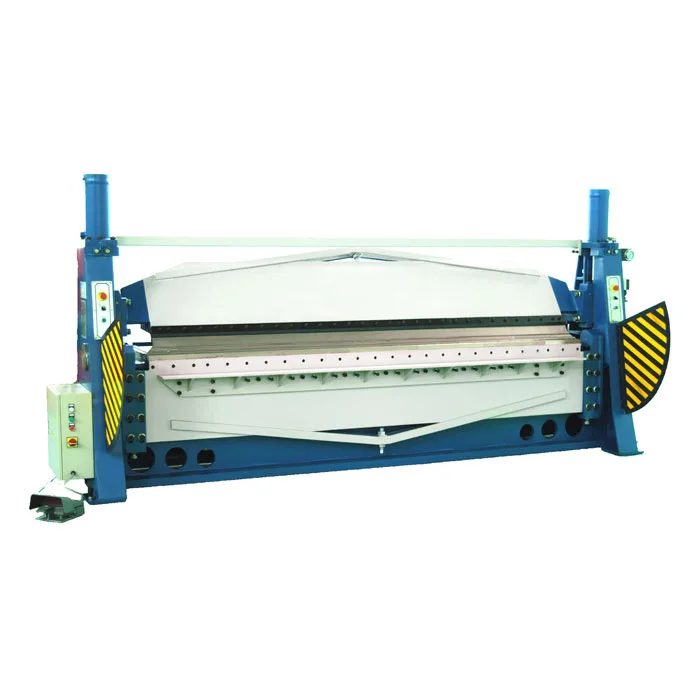
Metal Folding Machine: Comprehensive Guide to Precision Bending in 2024
2026/03/09 -
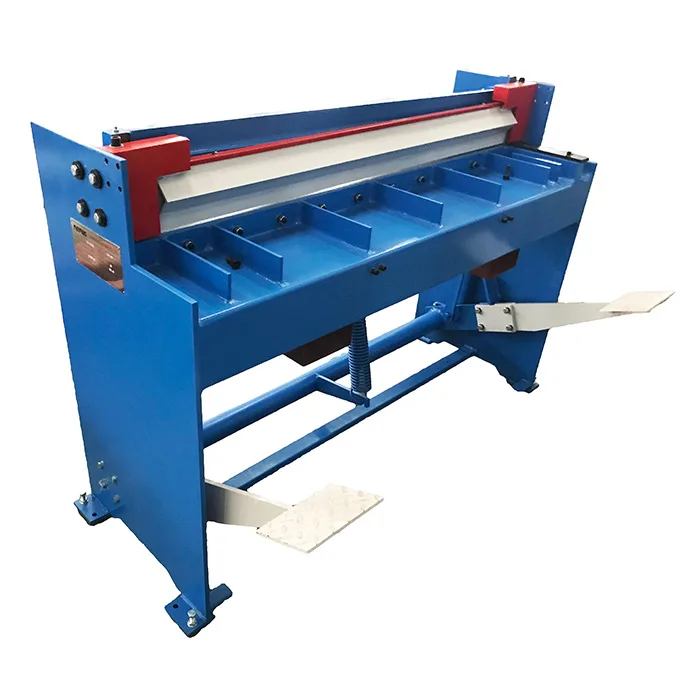
Sheet Metal Equipment: Ultimate Guide to Industrial Fabrication Solutions in 2026
2026/03/06
-
A Guide to the Latest Innovations in Sheet Metal Folding Machines
2024/11/29 -
Key Features to Consider When Investing in a Sheet Metal Folding Machine
2024/11/28 -
Enhancing Precision with Advanced Sheet Metal Folding Machines
2024/11/27 -
How to Choose the Right Sheet Metal Folding Machine for Your Workshop
2024/11/26
