


Cost-Effective Plasma Cutting Nozzles for High-Volume Production
Plasma cutting is a widely used metalworking process that involves using a high-velocity jet of ionized gas to melt and cut through metal. The choice of plasma cutting nozzles plays a crucial role in ensuring efficient and cost-effective high-volume production. This article examines the key aspects of cost-effective plasma cutting nozzles for high-volume production, including nozzle design, material selection, and maintenance considerations.
Design Considerations for Cost-Effective Nozzles
The design of the nozzle significantly impacts plasma cutting efficiency and overall costs.
– Optimized Nozzle Profile: The nozzle’s shape and dimensions should be designed to create a focused and concentrated plasma arc. This minimizes heat loss, resulting in improved cutting precision, reduced dross formation, and increased nozzle life.
– Cooling Channels: Efficient cooling is essential for preventing nozzle damage and maintaining optimal cutting performance. Well-designed cooling channels facilitate the flow of cooling gas, ensuring that the nozzle remains at a stable temperature during operation.
– Shield Gas Distribution: The nozzle should effectively distribute shield gas to protect the workpiece and the cutting zone. A well-designed shield gas distribution system minimizes turbulence, ensuring a stable plasma arc and preventing oxidation of the cut surface.
Material Selection for Cost-Effectiveness
The material used for the nozzle plays a vital role in its lifespan and cutting performance.
– Copper Alloys: Copper alloys, such as copper-chromium-zirconium, offer excellent thermal and electrical conductivity. They are commonly used for high-volume production applications due to their durability and ability to withstand high temperatures.
– Hafnium: Hafnium nozzles are characterized by their exceptional wear resistance and high melting point. They are ideal for cutting thick and challenging materials, providing extended nozzle life with minimal erosion.
– Tantalum: Tantalum nozzles are known for their chemical inertness and ability to handle corrosive environments. They are often used for cutting exotic materials, such as titanium and zirconium alloys.
Maintenance Considerations for Nozzle Optimization
Proper maintenance is crucial for ensuring the cost-effectiveness of plasma cutting nozzles.
– Regular Inspection: Conducting regular inspections of the nozzle’s condition allows for timely identification of any potential issues. This includes checking for nozzle damage, wear, and coolant leaks.
– Replacement Schedule: Establishing a regular nozzle replacement schedule based on the manufacturer’s recommendations or cutting conditions helps prevent nozzle failure and ensures optimal performance.
– Cleaning and Maintenance: Implementing a routine cleaning and maintenance program can significantly extend nozzle life. This involves removing any slag, debris, or oxidation from the nozzle surface to maintain its cutting efficiency.
Conclusion
Cost-effective plasma cutting nozzles are essential for high-volume production applications. By considering design aspects, material selection, and maintenance practices, manufacturers can optimize nozzle performance, reduce operating costs, and improve overall cutting efficiency. Selecting the appropriate nozzle for specific cutting requirements and ensuring its proper maintenance will result in increased productivity, reduced downtime, and enhanced workpiece quality.
-
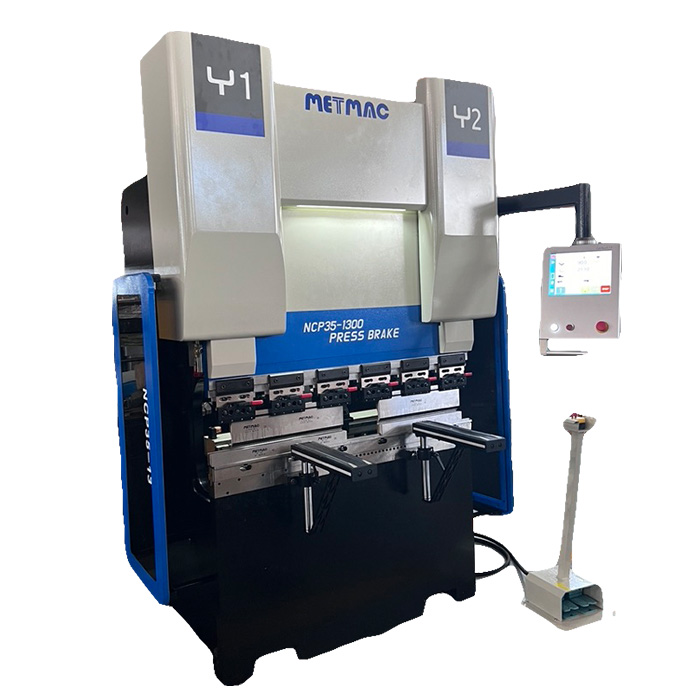
Press Metal Machine: The Definitive Guide to Precision Metal Forming
2026/03/12 -
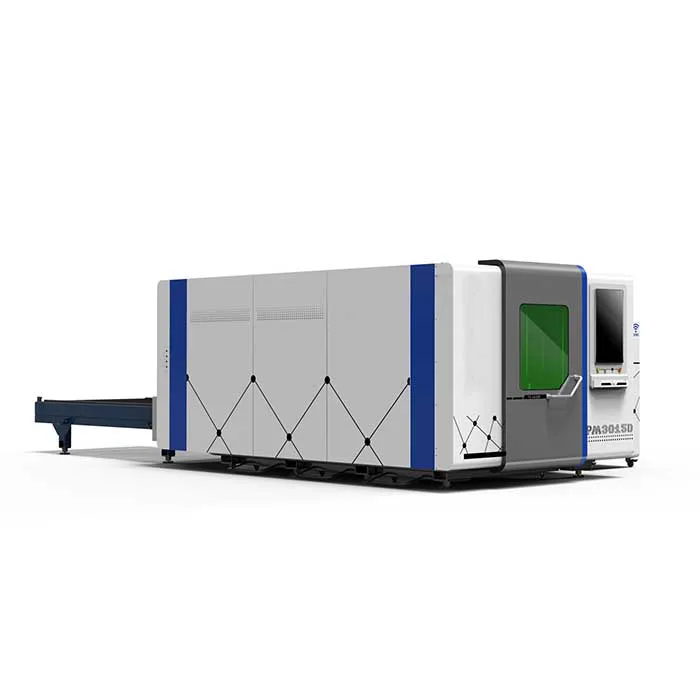
Metal Punching Machine: The Ultimate Guide to Precision Hole Punching
2026/03/10 -
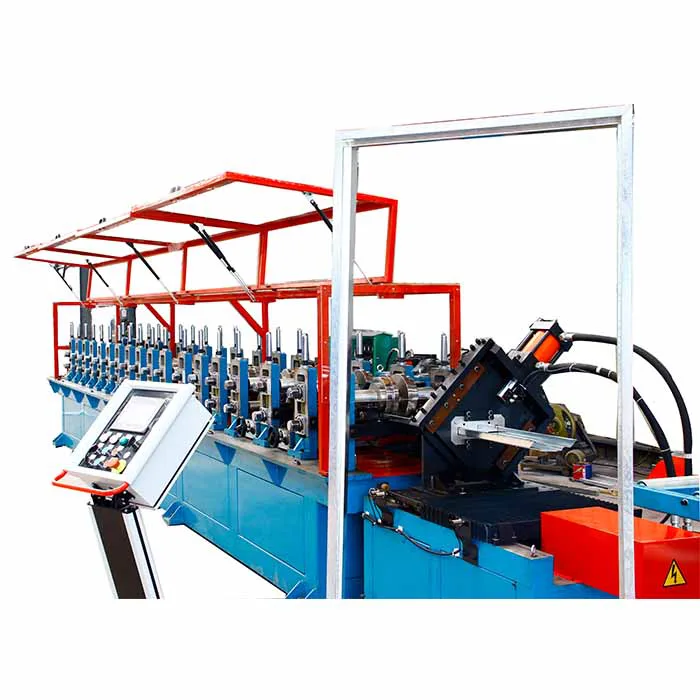
Sheet Metal Machinery: The Ultimate Guide to Industrial Fabrication Excellence
2026/03/04 -

Iron Sheet Laser Cutting Machine: Unmatched Precision for Demanding Fabrication with METMAC
2026/01/06
-
Sheet Metal Press Brake: Ultimate Guide to Precision Bending Technology in 2024
2026/03/13 -
Metal Punching Machine: Ultimate Guide to Precision Manufacturing in 2024
2026/03/11 -
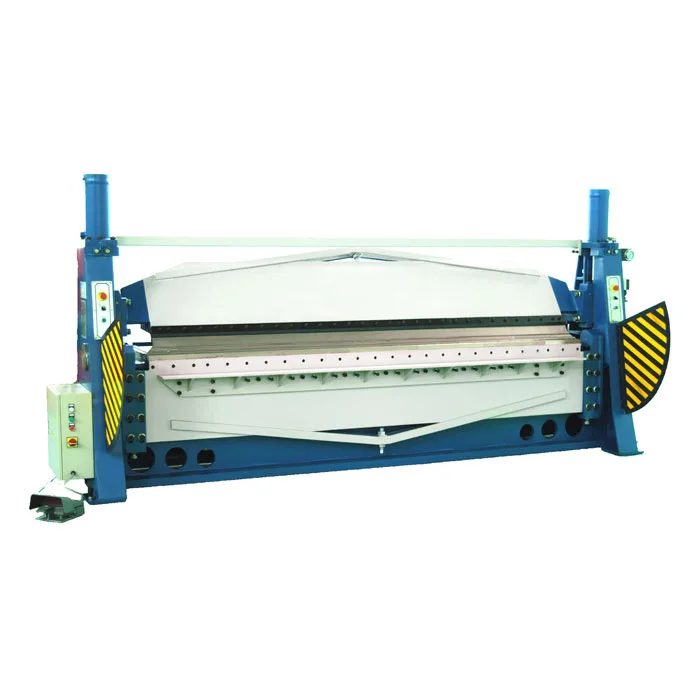
Metal Folding Machine: Comprehensive Guide to Precision Bending in 2024
2026/03/09 -
Sheet Metal Equipment: Ultimate Guide to Industrial Fabrication Solutions in 2026
2026/03/06
-
A Guide to the Latest Innovations in Sheet Metal Folding Machines
2024/11/29 -
Key Features to Consider When Investing in a Sheet Metal Folding Machine
2024/11/28 -
Enhancing Precision with Advanced Sheet Metal Folding Machines
2024/11/27 -
How to Choose the Right Sheet Metal Folding Machine for Your Workshop
2024/11/26
