


Sheet Metal Press vs. Other Forming Methods- A Head-to-Head Comparison
In the realm of metalworking, a fierce battle for supremacy wages between sheet metal presses and an array of other forming methods. Each contender wields unique strengths and weaknesses, leaving engineers and fabricators alike grappling with the eternal question: which method reigns supreme?
Precision and Accuracy
Sheet metal presses excel in producing high-precision parts with intricate dimensions. Their rigid frame and controlled pressure ensure consistent and accurate results, making them ideal for applications demanding exacting tolerances.
Speed and Efficiency
When it comes to speed and efficiency, few can match the output of a sheet metal press. Automated processes and high-speed production lines make these machines formidable forces, capable of churning out large volumes of parts in a short time frame.
Versatility
Sheet metal presses are remarkably versatile, capable of forming a wide range of shapes and sizes. By utilizing different dies and forming techniques, press operators can create complex bends, flanges, and customized profiles.
Cost-Effectiveness
In terms of cost-effectiveness, sheet metal presses may require a higher initial investment but offer long-term savings. Their high-volume output and ability to handle a variety of materials make them efficient and economical choices for mass production.
Alternatives to Sheet Metal Presses
While sheet metal presses dominate the forming landscape, alternative methods offer distinct advantages for specific applications:
Roll forming: Ideal for creating long, continuous sections with precise bends and shapes.
Extrusion: Forcing molten metal through a die to produce complex profiles with exceptional strength.
Casting: Pouring molten metal into molds to create complex shapes with internal cavities and intricate features.
Hydroforming: Using high-pressure water to form sheet metal components, offering greater flexibility and complexity.
The Final Verdict
In the end, the choice between sheet metal presses and other forming methods depends on the specific application requirements. Presses excel in precision, speed, and efficiency, while alternatives offer niche capabilities for specialized tasks.
By understanding the strengths and limitations of each method, engineers and fabricators can harness the power of these technological marvels to create innovative and high-quality metal products.
-
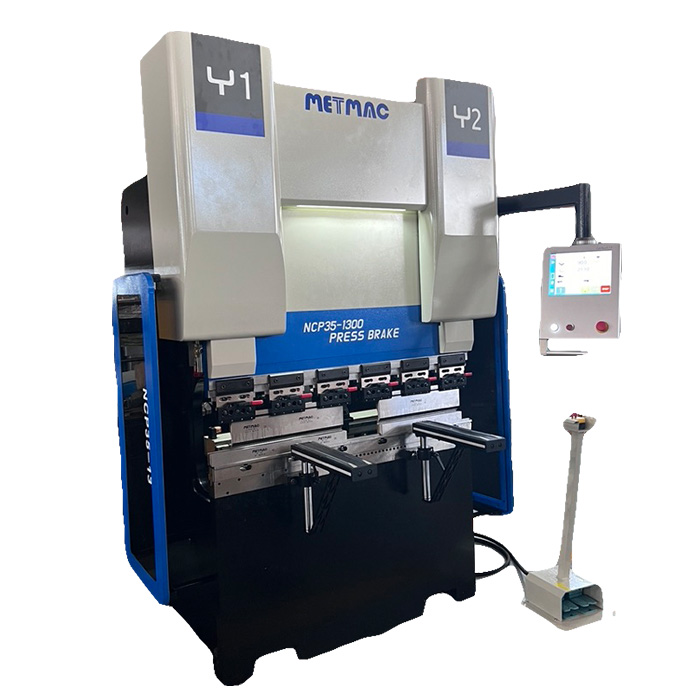
Press Metal Machine: The Definitive Guide to Precision Metal Forming
2026/03/12 -
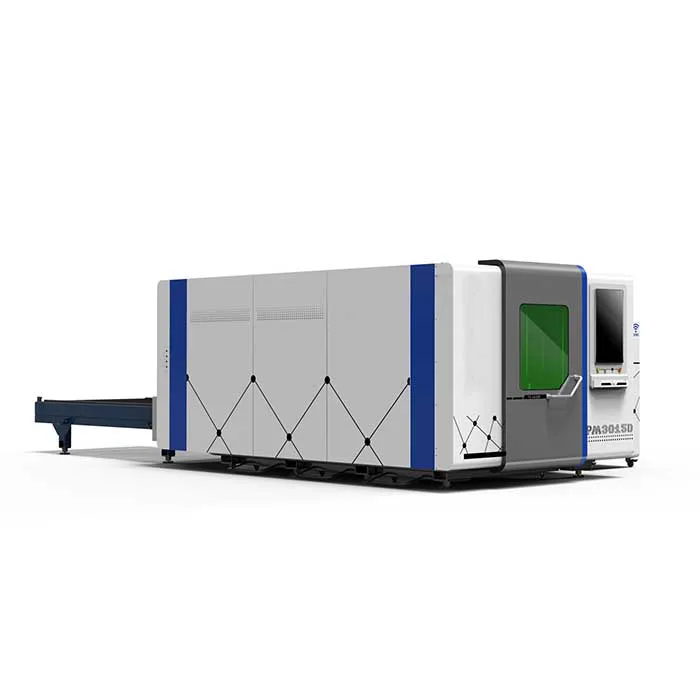
Metal Punching Machine: The Ultimate Guide to Precision Hole Punching
2026/03/10 -
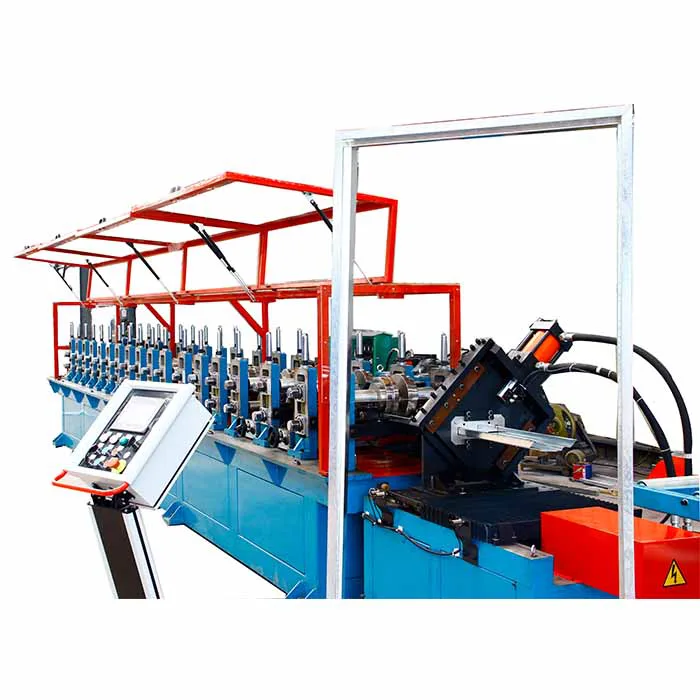
Sheet Metal Machinery: The Ultimate Guide to Industrial Fabrication Excellence
2026/03/04 -
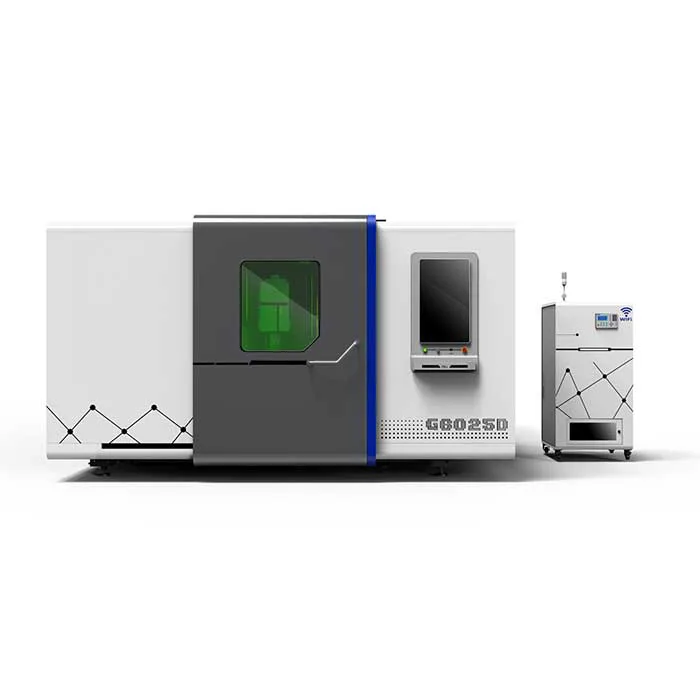
Iron Sheet Laser Cutting Machine: Unmatched Precision for Demanding Fabrication with METMAC
2026/01/06
-
Sheet Metal Press Brake: Ultimate Guide to Precision Bending Technology in 2024
2026/03/13 -
Metal Punching Machine: Ultimate Guide to Precision Manufacturing in 2024
2026/03/11 -
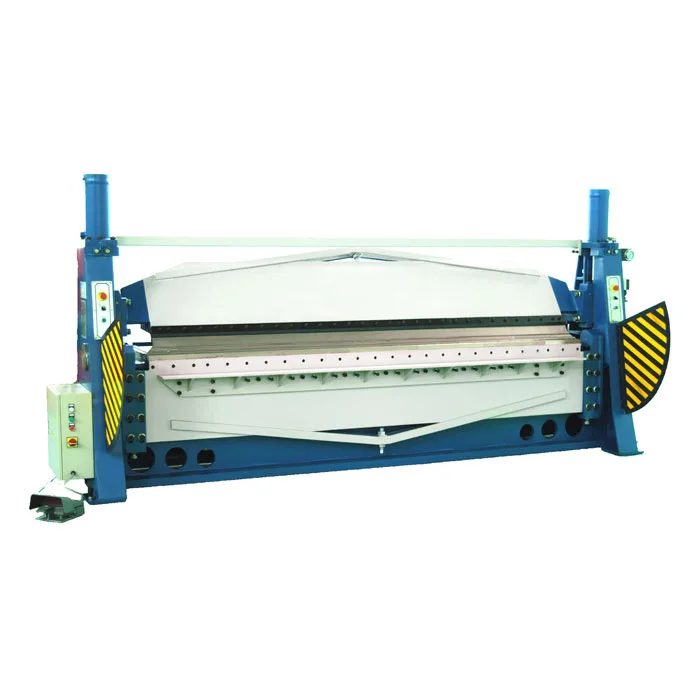
Metal Folding Machine: Comprehensive Guide to Precision Bending in 2024
2026/03/09 -
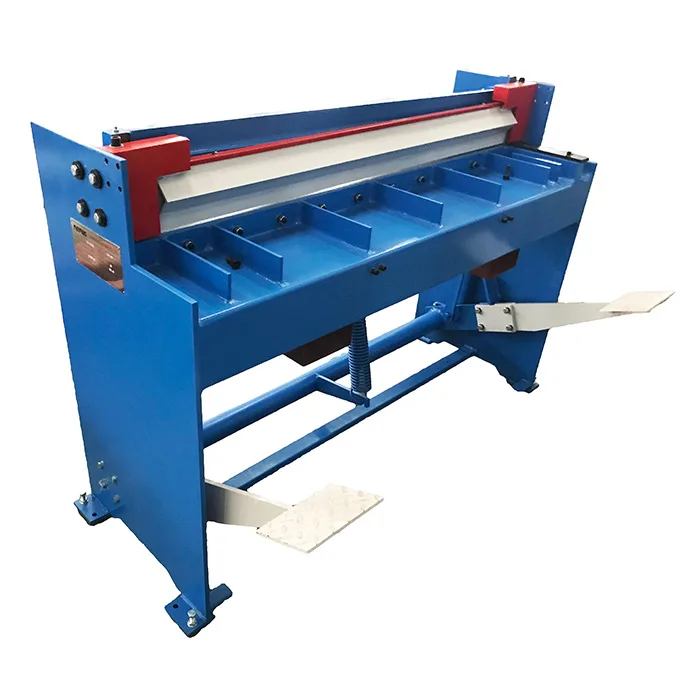
Sheet Metal Equipment: Ultimate Guide to Industrial Fabrication Solutions in 2026
2026/03/06
-
A Guide to the Latest Innovations in Sheet Metal Folding Machines
2024/11/29 -
Key Features to Consider When Investing in a Sheet Metal Folding Machine
2024/11/28 -
Enhancing Precision with Advanced Sheet Metal Folding Machines
2024/11/27 -
How to Choose the Right Sheet Metal Folding Machine for Your Workshop
2024/11/26
