


Choosing the Right Press Brake for Your Needs- A Beginner’s Guide
The press brake is a vital tool in any metal fabrication shop, allowing you to bend sheet metal into complex shapes using a variety of dies. With a wide range of press brakes available, choosing the right one for your needs can be a daunting task. This guide will provide you with a comprehensive overview of the factors to consider when making your choice.
Tonnage
The most important consideration is the tonnage of the press brake, which determines the thickness and width of the sheet metal it can bend. Entry-level press brakes typically range from 30 to 50 tons, while heavy-duty models can exceed 200 tons. Determine the maximum thickness and width of the materials you will be bending, and choose a press brake with a tonnage capacity that exceeds those requirements.
Frame Size
The frame size refers to the width between the uprights of the press brake. This determines the maximum width of the sheet metal you can bend. Press brakes range in frame size from 18 to 84 inches or more, so it’s important to consider the maximum width of the materials you will be working with and choose a frame size that accommodates them.
Stroke Length
Stroke length is the distance the ram (which holds the die) travels down to bend the sheet metal. This determines the maximum depth of the bend you can make. Press brakes typically have stroke lengths ranging from 4 to 12 inches, so select a stroke length that is compatible with your bending requirements.
Bed Length
Bed length determines the maximum length of the sheet metal you can bend. Entry-level press brakes typically have bed lengths of 5 to 6 feet, while larger models can exceed 10 feet. Consider the largest size of sheet metal you will be bending and choose a bed length that provides ample workspace.
Bend Axis
The bend axis refers to the location of the bending point relative to the ram. There are two main types: front-axis and down-acting press brakes. Front-axis press brakes are ideal for repetitive bending, while down-acting press brakes provide greater flexibility and allow for more complex bends.
Controls
Press brake controls can be manual, semi-automatic, or CNC. Manual controls provide direct control over the ram’s movement, while semi-automatic controls allow for programmed bends. CNC controls offer the highest level of automation, enabling precise and consistent bending.
-
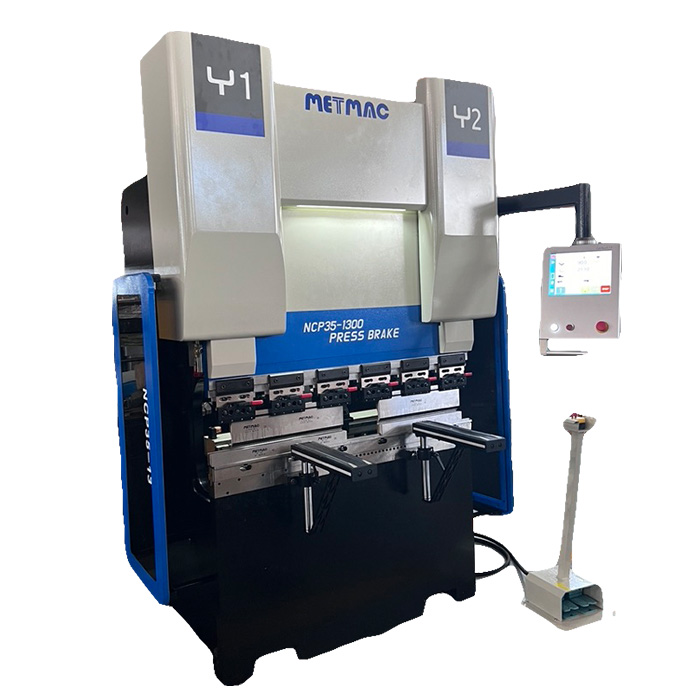
Press Metal Machine: The Definitive Guide to Precision Metal Forming
2026/03/12 -
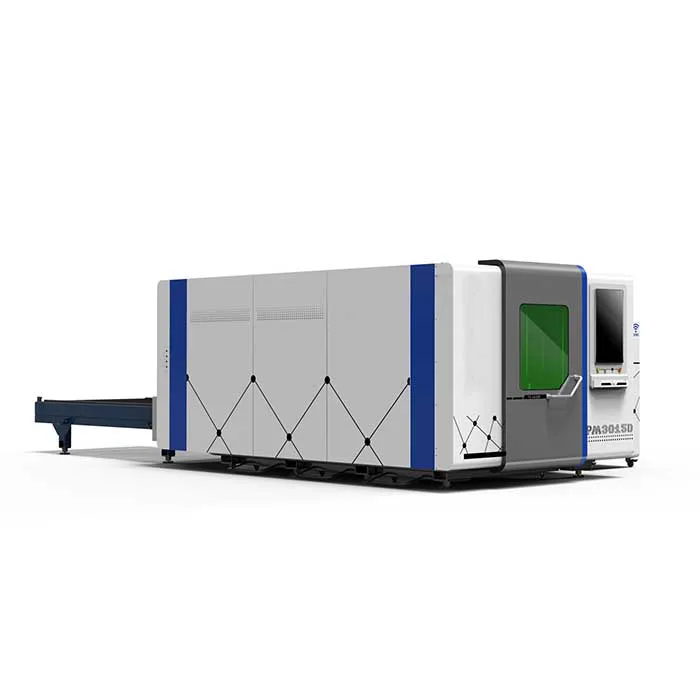
Metal Punching Machine: The Ultimate Guide to Precision Hole Punching
2026/03/10 -
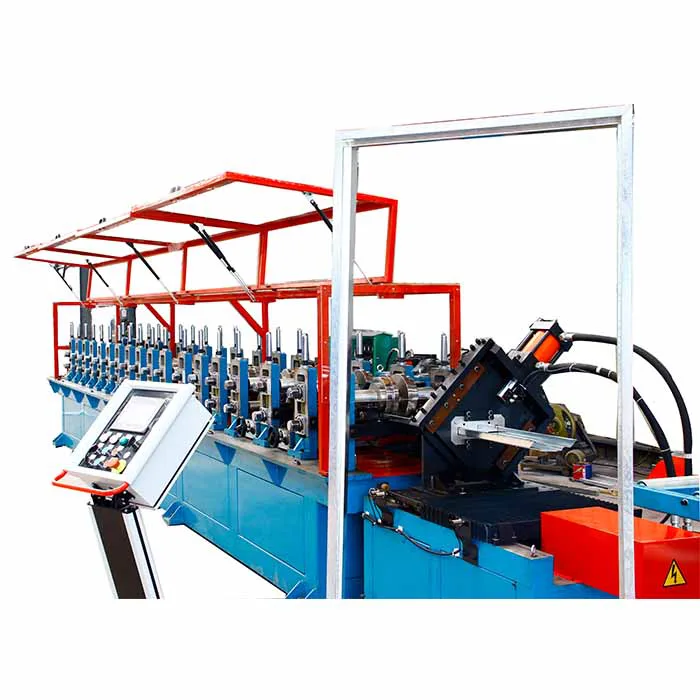
Sheet Metal Machinery: The Ultimate Guide to Industrial Fabrication Excellence
2026/03/04 -
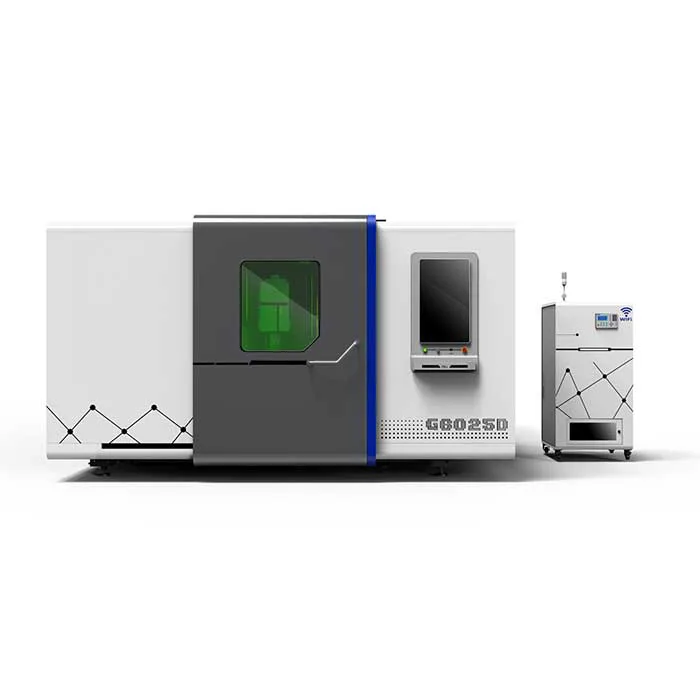
Iron Sheet Laser Cutting Machine: Unmatched Precision for Demanding Fabrication with METMAC
2026/01/06
-
Sheet Metal Press Brake: Ultimate Guide to Precision Bending Technology in 2024
2026/03/13 -
Metal Punching Machine: Ultimate Guide to Precision Manufacturing in 2024
2026/03/11 -
Metal Folding Machine: Comprehensive Guide to Precision Bending in 2024
2026/03/09 -
Sheet Metal Equipment: Ultimate Guide to Industrial Fabrication Solutions in 2026
2026/03/06
-
Latest Technological Advancements in Rectangular Duct Machines
2024/05/11 -
Integrating Automation with Rectangular Duct Machines for Enhanced Productivity
2024/05/11 -
Metal Shear Machines- Essential Tools for Precision Metal Cutting
2024/05/11 -
Understanding the Role and Function of Steel Strip Slitting Machines
2024/05/11
-
A Guide to the Latest Innovations in Sheet Metal Folding Machines
2024/11/29 -
Key Features to Consider When Investing in a Sheet Metal Folding Machine
2024/11/28 -
Enhancing Precision with Advanced Sheet Metal Folding Machines
2024/11/27 -
How to Choose the Right Sheet Metal Folding Machine for Your Workshop
2024/11/26
