


Troubleshooting Common Issues with Metal Punching Machines
Troubleshooting Common Issues with Metal Punching Machines: A Comprehensive Guide to Ensure Optimal Performance
Metal punching machines are vital tools in any metal fabrication workshop, yet they can occasionally encounter technical glitches that hinder productivity and efficiency. To stay ahead of these challenges and maintain seamless operations, it is crucial to have a clear understanding of common troubleshooting techniques.
Error Detection: The First Step
Before diving into troubleshooting, it’s essential to identify the specific issue. Examine the machine’s performance, observe error codes or physical symptoms, and consult the user manual for clues. This preliminary analysis can significantly expedite the resolution process.
Addressing Mechanical Issues
Misaligned Punch and Die: If the punched holes exhibit distortion or poor alignment, the punch and die may be misaligned. Realign the components carefully, ensuring proper seating and centering.
Loose Tooling: If the tool holder or other tooling components are loose, punching operations may be compromised. Tighten all fasteners and ensure proper lubrication to minimize vibrations and premature wear.
Jammed Material: Occasionally, material can become lodged within the machine, causing blockages. Carefully inspect the punching area and remove any obstructions to restore functionality.
Electrical Troubleshooting
Power Supply Failures: Check the power source and ensure a stable electrical supply. Inspect cables and connections for any loose or damaged components.
Control System Issues: If the control system is malfunctioning, it may be necessary to reset or restart the machine. Consult the manufacturer’s instructions for specific procedures.
Sensor Failures: Punching machines heavily rely on sensors for precise operation. Malfunctioning sensors can disrupt processes. Test and replace faulty sensors to restore accuracy.
Other Considerations
Tool Wear: Over time, punches and dies can wear out, resulting in poor punching quality. Regularly inspect and replace worn tools to maintain optimal performance.
Lubrication: Proper lubrication is essential to reduce friction and prevent premature wear. Regularly apply lubricants to moving parts according to the manufacturer’s recommendations.
Maintenance Schedule: Establish a proactive maintenance schedule to identify potential issues early on. Regular inspections, cleaning, and servicing can significantly extend the lifespan of the machine.
By promptly addressing common issues and implementing preventive measures, you can maximize the uptime and efficiency of your metal punching machine. Stay vigilant, troubleshoot effectively, and ensure unwavering performance in your metal fabrication operations.
-
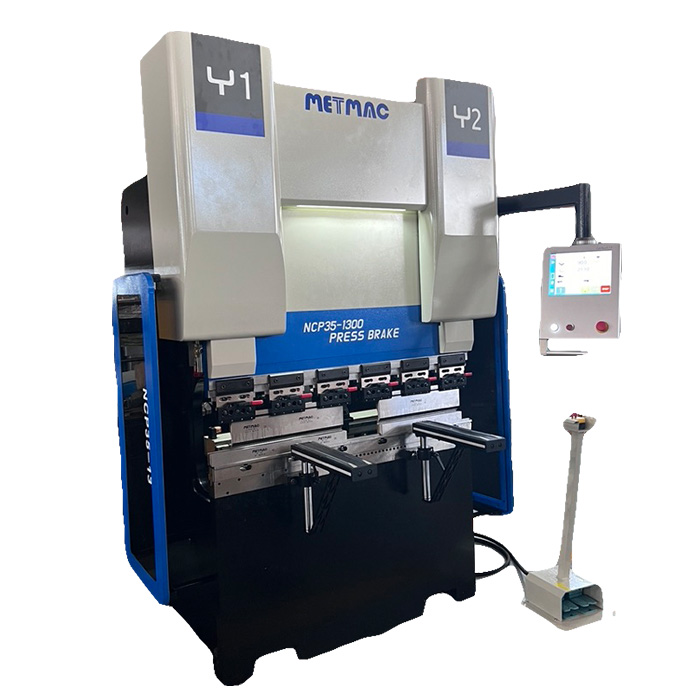
Press Metal Machine: The Definitive Guide to Precision Metal Forming
2026/03/12 -
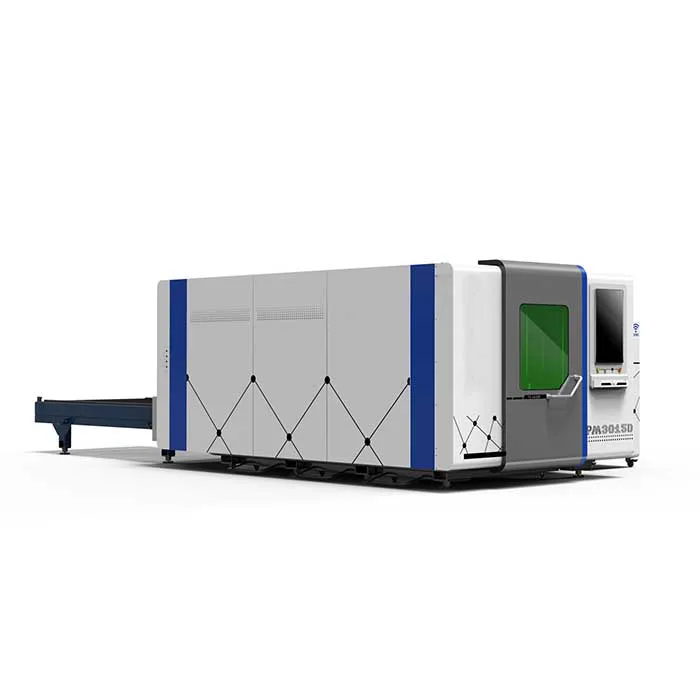
Metal Punching Machine: The Ultimate Guide to Precision Hole Punching
2026/03/10 -
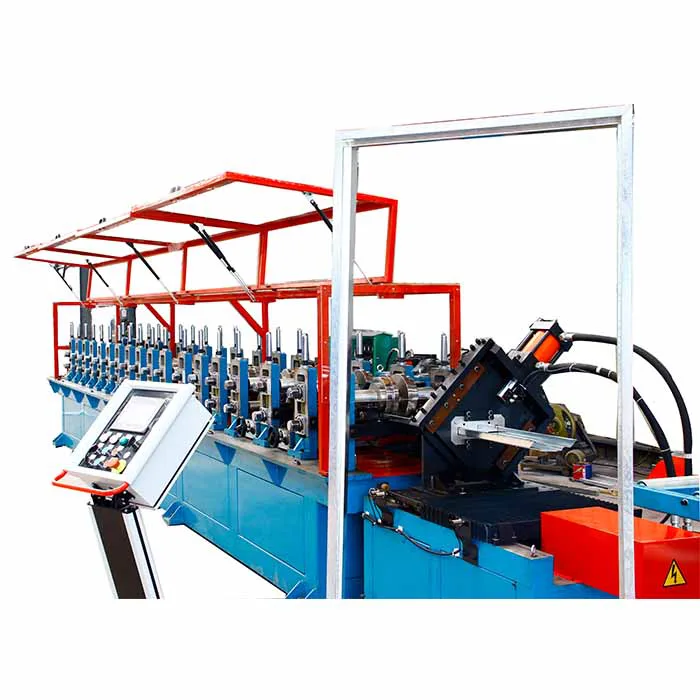
Sheet Metal Machinery: The Ultimate Guide to Industrial Fabrication Excellence
2026/03/04 -
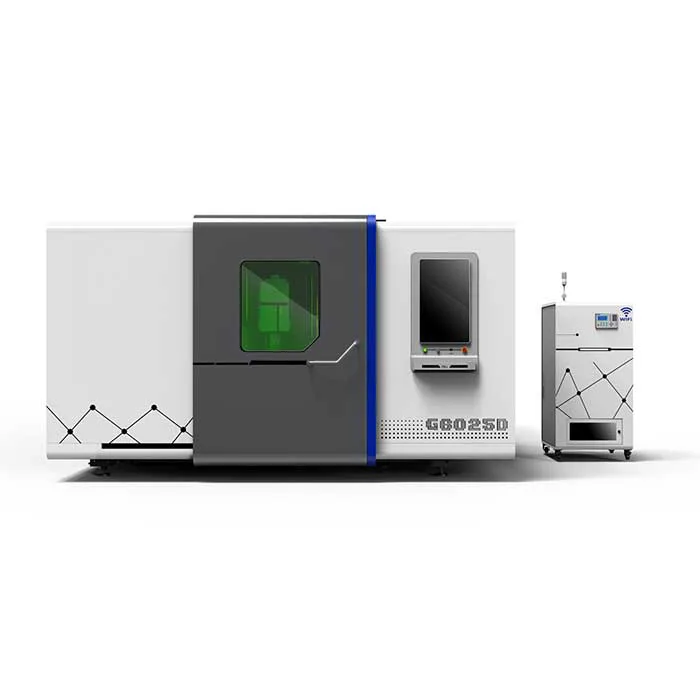
Iron Sheet Laser Cutting Machine: Unmatched Precision for Demanding Fabrication with METMAC
2026/01/06
-
Sheet Metal Press Brake: Ultimate Guide to Precision Bending Technology in 2024
2026/03/13 -
Metal Punching Machine: Ultimate Guide to Precision Manufacturing in 2024
2026/03/11 -
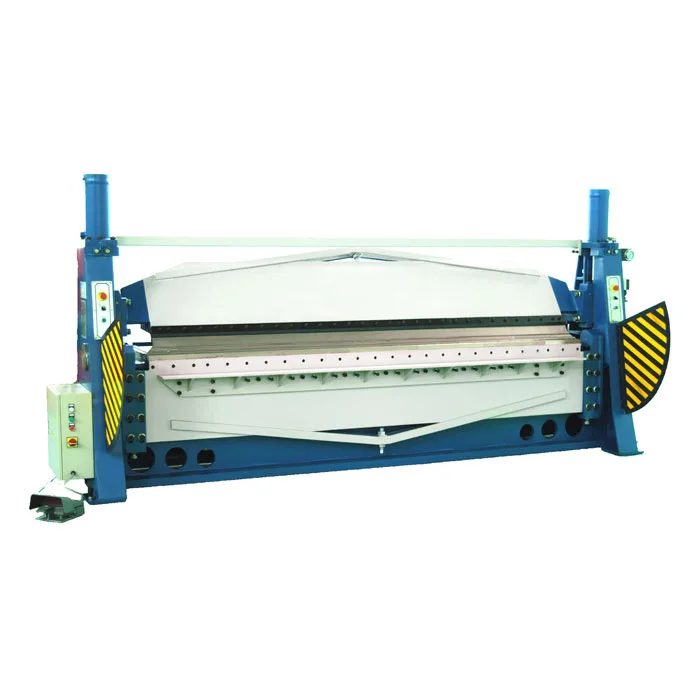
Metal Folding Machine: Comprehensive Guide to Precision Bending in 2024
2026/03/09 -
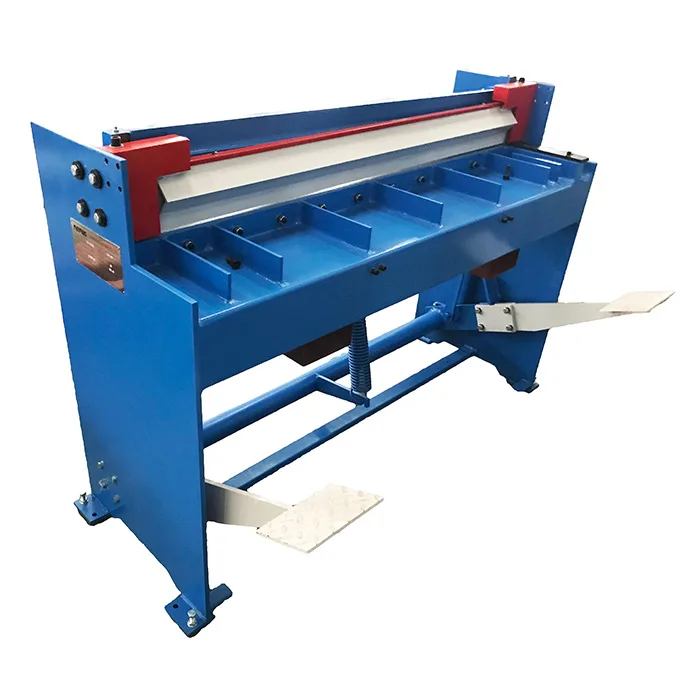
Sheet Metal Equipment: Ultimate Guide to Industrial Fabrication Solutions in 2026
2026/03/06
-
A Guide to the Latest Innovations in Sheet Metal Folding Machines
2024/11/29 -
Key Features to Consider When Investing in a Sheet Metal Folding Machine
2024/11/28 -
Enhancing Precision with Advanced Sheet Metal Folding Machines
2024/11/27 -
How to Choose the Right Sheet Metal Folding Machine for Your Workshop
2024/11/26
