

Metal Bending Machines vs. Press Brakes- Understanding the Differences
In the realm of metal fabrication, the choice between metal bending machines and press brakes hinges on understanding their distinct capabilities. While both are indispensable tools, their differences empower fabricators to select the most suitable technique for their projects.
Metal Bending Machines: Versatility in Curves
Metal bending machines, often referred to as three-roll or four-roll benders, excel at forming curved metal profiles. Their rolling mechanism allows for precise bending of different thicknesses and materials, including aluminum, steel, and stainless steel. The versatility of metal bending machines stems from their ability to create various curve radii and angles, making them ideal for architectural cladding, piping, and automotive applications.
Press Brakes: Precision in Angles
Press brakes, on the other hand, are designed to execute angular bends using a punch and die system. The punch presses down on the metal sheet, forcing it to conform to the shape of the die. This process excels in producing sharp, accurate bends at specified angles. Press brakes are particularly advantageous for operations requiring high precision, such as chassis fabrication, electronic enclosures, and metalworking.
Key Differences to Consider
Bending Type: Metal bending machines produce curved profiles, while press brakes create angular bends.
Precision: Press brakes offer higher precision in angular bends compared to metal bending machines.
Material Thickness: Metal bending machines are suitable for thicker materials, while press brakes typically handle thinner sheets.
Tooling: Metal bending machines use rolls, whereas press brakes rely on punches and dies.
Complexity: Metal bending machines allow for complex curved shapes, while press brakes excel in precise angular bends.
Tailoring to Project Needs
The choice between metal bending machines and press brakes depends on the specific project requirements. If curved profiles are necessary, metal bending machines offer versatility and flexibility. However, if angular bends with high precision are crucial, press brakes provide superior accuracy and efficiency.
Understanding these differences empowers fabricators to select the most appropriate technique for their applications, ensuring optimal results and cost-effectiveness in their metalworking endeavors.
-
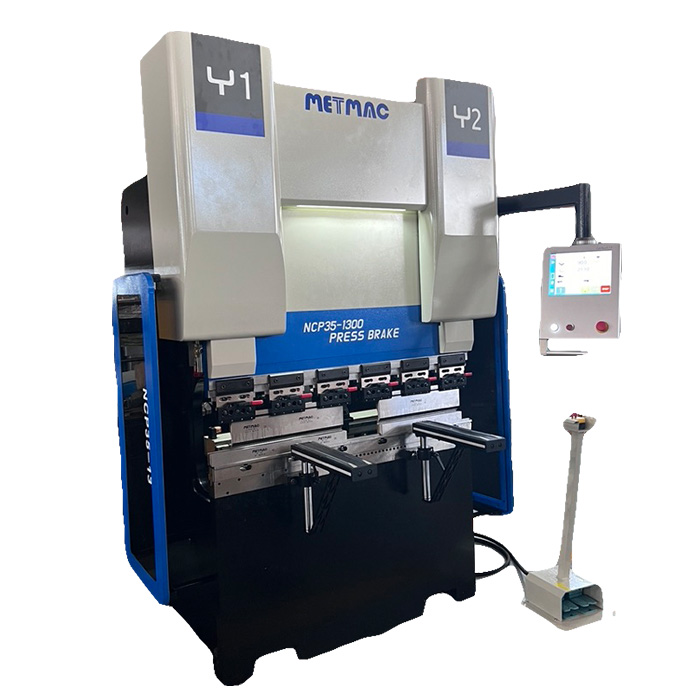
Press Metal Machine: The Definitive Guide to Precision Metal Forming
2026/03/12 -
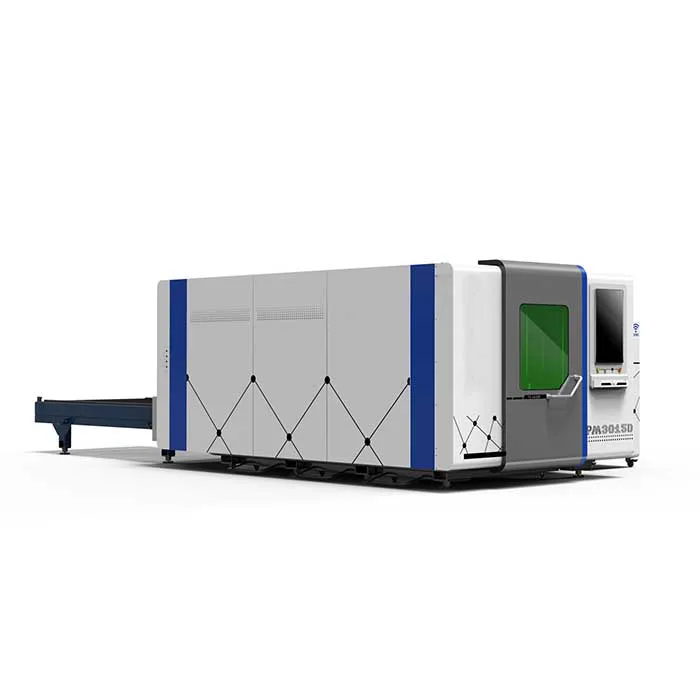
Metal Punching Machine: The Ultimate Guide to Precision Hole Punching
2026/03/10 -
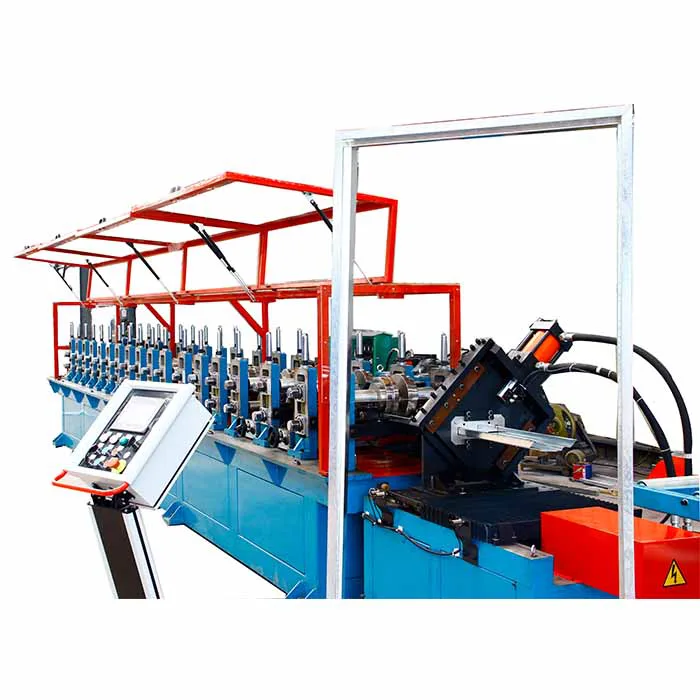
Sheet Metal Machinery: The Ultimate Guide to Industrial Fabrication Excellence
2026/03/04 -
Iron Sheet Laser Cutting Machine: Unmatched Precision for Demanding Fabrication with METMAC
2026/01/06
-
Sheet Metal Press Brake: Ultimate Guide to Precision Bending Technology in 2024
2026/03/13 -
Metal Punching Machine: Ultimate Guide to Precision Manufacturing in 2024
2026/03/11 -
Metal Folding Machine: Comprehensive Guide to Precision Bending in 2024
2026/03/09 -
Sheet Metal Equipment: Ultimate Guide to Industrial Fabrication Solutions in 2026
2026/03/06
-
A Guide to the Latest Innovations in Sheet Metal Folding Machines
2024/11/29 -
Key Features to Consider When Investing in a Sheet Metal Folding Machine
2024/11/28 -
Enhancing Precision with Advanced Sheet Metal Folding Machines
2024/11/27 -
How to Choose the Right Sheet Metal Folding Machine for Your Workshop
2024/11/26
