

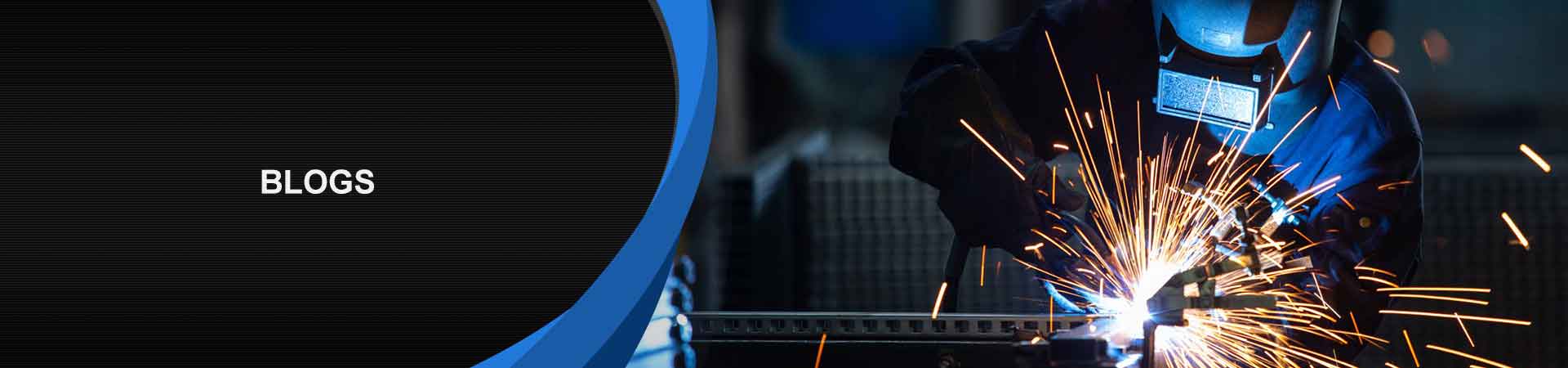
Eco-Friendly Choices- Sustainable Practices in Metal Cutting
In the ever-evolving realm of manufacturing, where precision and efficiency reign supreme, metal cutting stands as a pillar of modern industrial processes. However, as the world grapples with environmental concerns, the imperative for sustainable practices has become undeniable, extending even to the intricate realm of metalworking.
With the advent of eco-friendly choices, metal cutting can now embrace the principles of sustainability without sacrificing performance. These innovative techniques aim to reduce the environmental footprint associated with metal cutting, while maintaining the integrity and quality of the finished product.
One key area of focus is the reduction of cutting fluids. Traditionally, metal cutting processes rely heavily on oils or other fluids to facilitate the removal of metal chips and lubricate the cutting tools. However, these fluids often contain hazardous chemicals that can contaminate the environment. By employing environmentally friendly cutting fluids, such as water-based emulsions, manufacturers can significantly reduce their carbon footprint and mitigate the risk of chemical spills.
Another important consideration is the recycling and reuse of metal chips. Metal chips, a byproduct of metal cutting, were once discarded as waste. However, with the rise of sustainability initiatives, these chips are now recognized as a valuable resource. By recycling and reusing metal chips, manufacturers can minimize raw material consumption and reduce landfill waste.
Innovative cutting techniques are also playing a role in eco-friendly metal cutting. High-speed machining (HSM) and minimum quantity lubrication (MQL) are two such techniques that significantly reduce energy consumption and fluid usage, respectively. HSM involves cutting at higher speeds, which generates less heat and requires less lubrication. MQL, on the other hand, employs a minimal amount of cutting fluid, which is applied directly to the cutting zone, minimizing waste and reducing fluid emissions.
By embracing these sustainable practices, the metal cutting industry can contribute to a cleaner and greener future. Eco-friendly choices not only reduce the environmental impact of manufacturing but also align with the growing consumer demand for sustainable products. As the world continues to prioritize environmental consciousness, metal cutting will undoubtedly become an integral part of the global quest for sustainability.
-
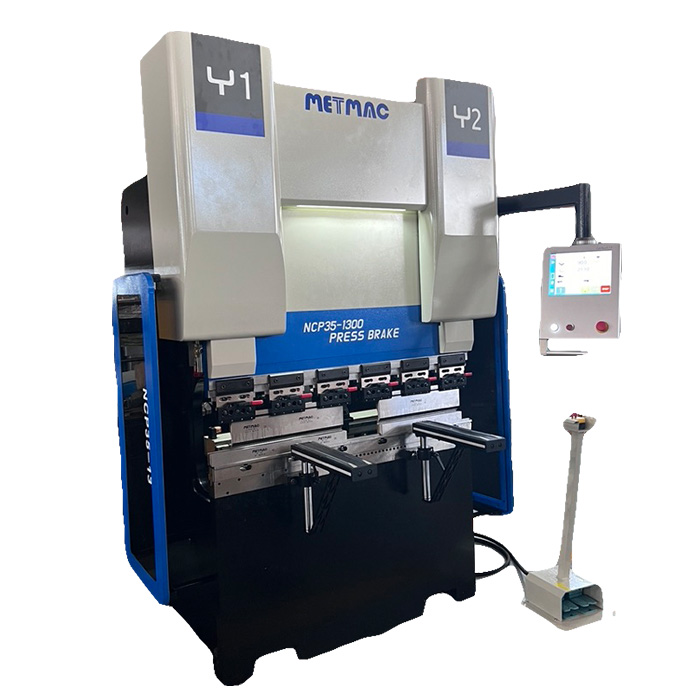
Press Metal Machine: The Definitive Guide to Precision Metal Forming
2026/03/12 -
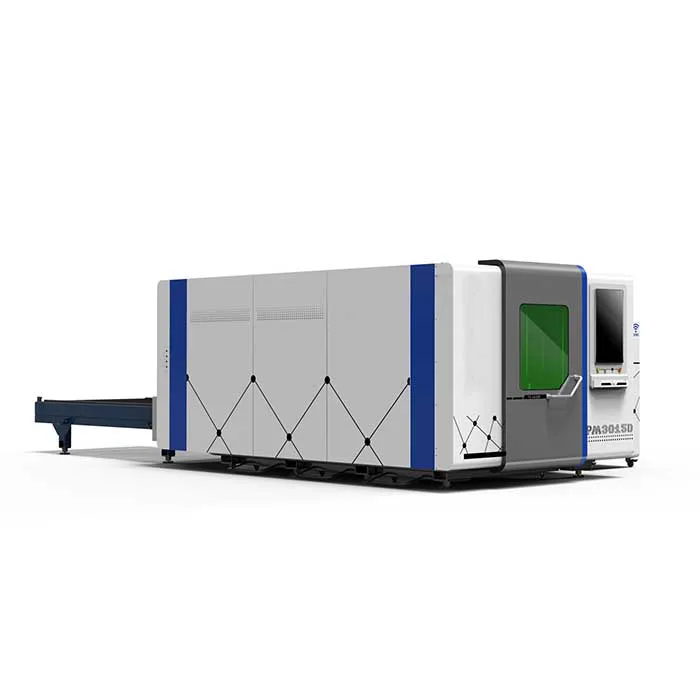
Metal Punching Machine: The Ultimate Guide to Precision Hole Punching
2026/03/10 -
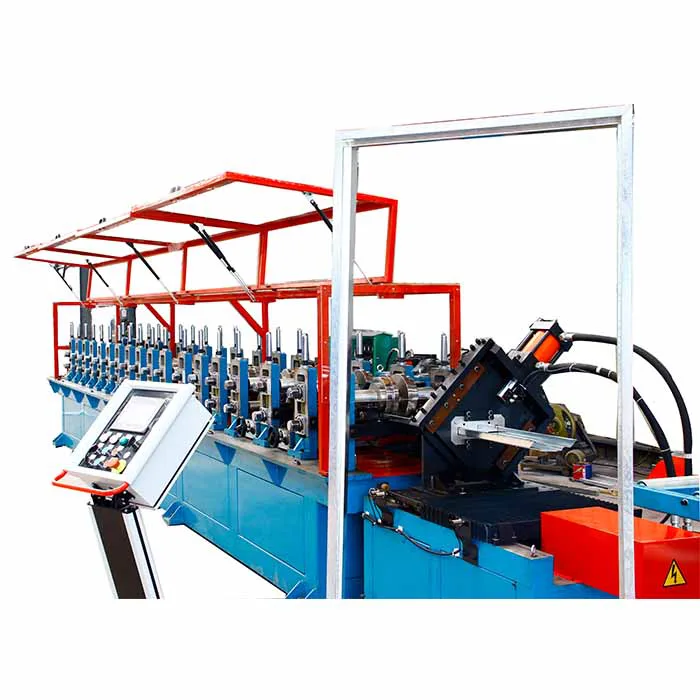
Sheet Metal Machinery: The Ultimate Guide to Industrial Fabrication Excellence
2026/03/04 -
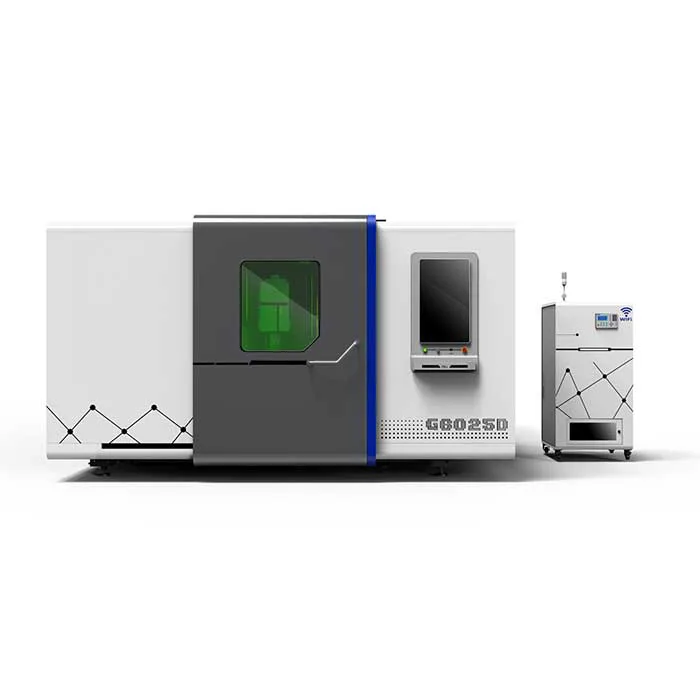
Iron Sheet Laser Cutting Machine: Unmatched Precision for Demanding Fabrication with METMAC
2026/01/06
-
Sheet Metal Press Brake: Ultimate Guide to Precision Bending Technology in 2024
2026/03/13 -
Metal Punching Machine: Ultimate Guide to Precision Manufacturing in 2024
2026/03/11 -
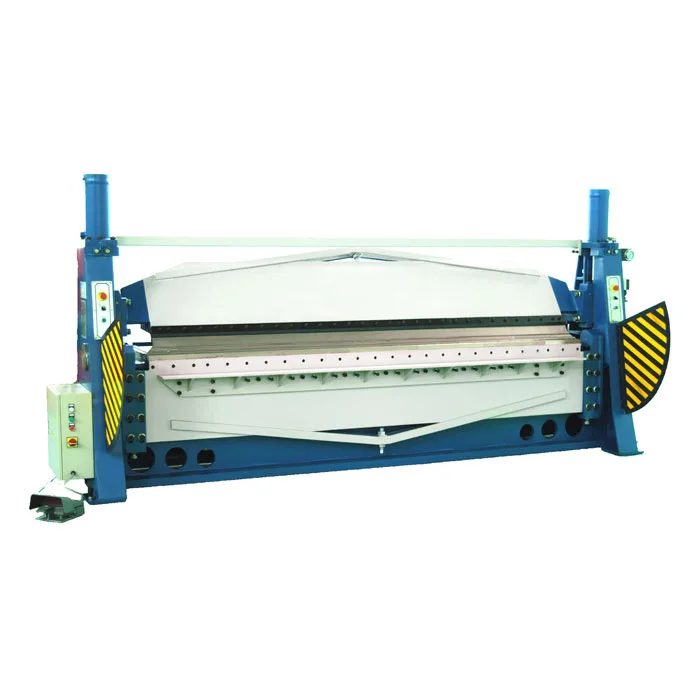
Metal Folding Machine: Comprehensive Guide to Precision Bending in 2024
2026/03/09 -
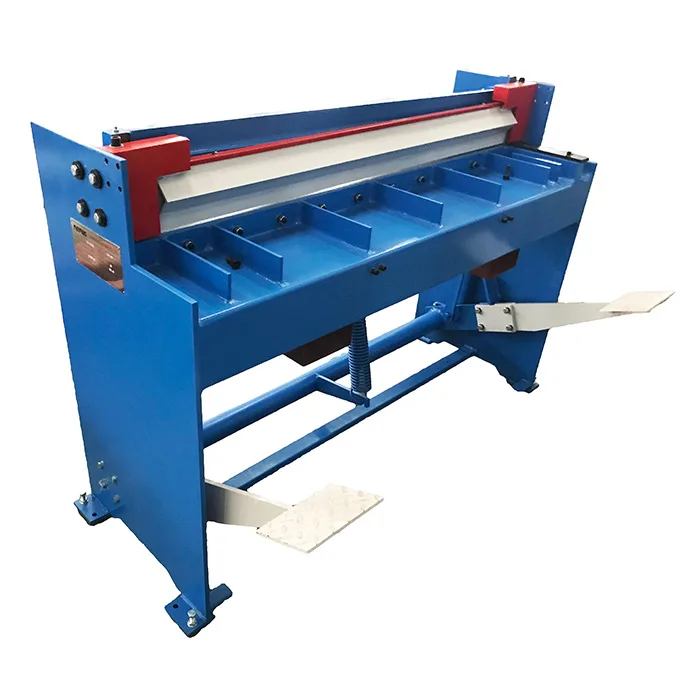
Sheet Metal Equipment: Ultimate Guide to Industrial Fabrication Solutions in 2026
2026/03/06
-
A Guide to the Latest Innovations in Sheet Metal Folding Machines
2024/11/29 -
Key Features to Consider When Investing in a Sheet Metal Folding Machine
2024/11/28 -
Enhancing Precision with Advanced Sheet Metal Folding Machines
2024/11/27 -
How to Choose the Right Sheet Metal Folding Machine for Your Workshop
2024/11/26
