


Common Mistakes to Avoid with Press Brake Bending Machines
Press brake bending machines are widely used in industries such as metal fabrication, aerospace, and automotive manufacturing. These machines play a crucial role in shaping and forming metal sheets and plates into various shapes and components. However, operating press brake bending machines requires precision and attention to detail to avoid common mistakes that can lead to costly errors and safety hazards. This article will delve into the key mistakes to avoid when using press brake bending machines, ensuring efficient and safe operations.
Improper Machine Setup
Before commencing operations, it is essential to set up the press brake bending machine correctly. This involves selecting the appropriate tooling for the specific bending task, ensuring the machine is level and aligned, and calibrating the ram and bed to the desired bending angle. Failure to properly set up the machine can result in inaccurate bends, excessive material deformation, or even machine damage.
Incorrect Tool Selection
Choosing the right tooling is crucial for achieving the desired bending results. Factors to consider include the material type, thickness, and bending radius. Using incorrect tools can lead to improper bending, tool damage, or injuries due to tool slippage. It is recommended to consult the machine manual and tool manufacturer’s specifications to determine the optimal tooling for each application.
Excessive Bending Force
Applying excessive bending force can deform the material beyond its elastic limit, leading to permanent damage or cracking. The bending force should be carefully adjusted to suit the material’s properties and thickness. Overbending can also result in tool damage and reduce the lifespan of the machine.
Improper Material Handling
Proper material handling is essential for accurate and safe bending operations. The material should be positioned correctly on the bed and supported adequately to prevent buckling or slipping during bending. Using the appropriate clamps and hold-downs ensures the material remains stable throughout the process. Neglecting proper material handling can lead to uneven bends, surface damage, or even injuries to the operator.
Lack of Safety Precautions
Operating press brake bending machines requires adhering to strict safety protocols. Personal protective equipment (PPE) such as safety glasses, gloves, and ear protection should always be worn. It is also crucial to maintain a safe work area, keep the machine clean and well-maintained, and follow proper lockout/tagout procedures to prevent unexpected machine movement. Ignoring safety measures can result in accidents, injuries, or even fatalities.
Inadequate Training
Operating press brake bending machines requires proper training and skills. Operators should be fully conversant with the machine’s functionality, safety features, and correct bending techniques. Untrained operators are more prone to making mistakes, leading to costly errors or safety hazards. It is recommended that all operators undergo comprehensive training programs to ensure proficient operation of the machine.
Ignoring Maintenance
Regular maintenance is crucial for the optimal functioning and longevity of press brake bending machines. Following a scheduled maintenance plan helps identify and resolve potential issues, reduces downtime, and extends the machine’s lifespan. Neglecting maintenance can lead to component failures, reduced accuracy, and increased risk of accidents.
In conclusion, avoiding these common mistakes is essential for efficient and safe operation of press brake bending machines. Proper machine setup, correct tool selection, controlled bending force, proper material handling, adherence to safety protocols, adequate training, and regular maintenance ensure accurate bends, prevent damage, and minimize risks. By implementing these best practices, manufacturers can maximize productivity, minimize downtime, and maintain a safe and productive work environment.
-
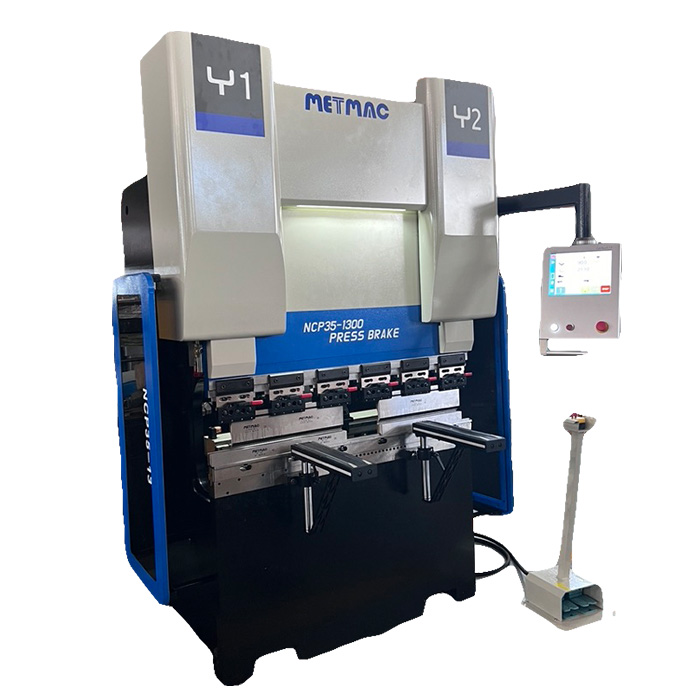
Press Metal Machine: The Definitive Guide to Precision Metal Forming
2026/03/12 -
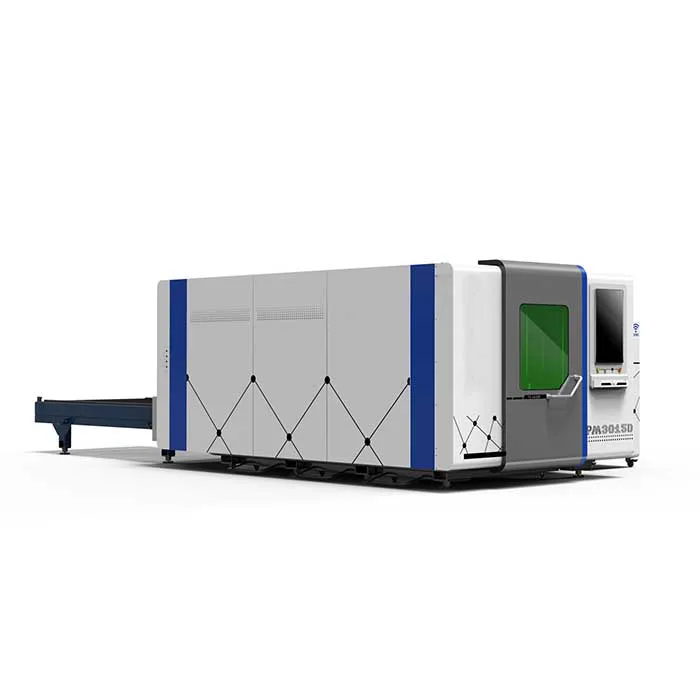
Metal Punching Machine: The Ultimate Guide to Precision Hole Punching
2026/03/10 -
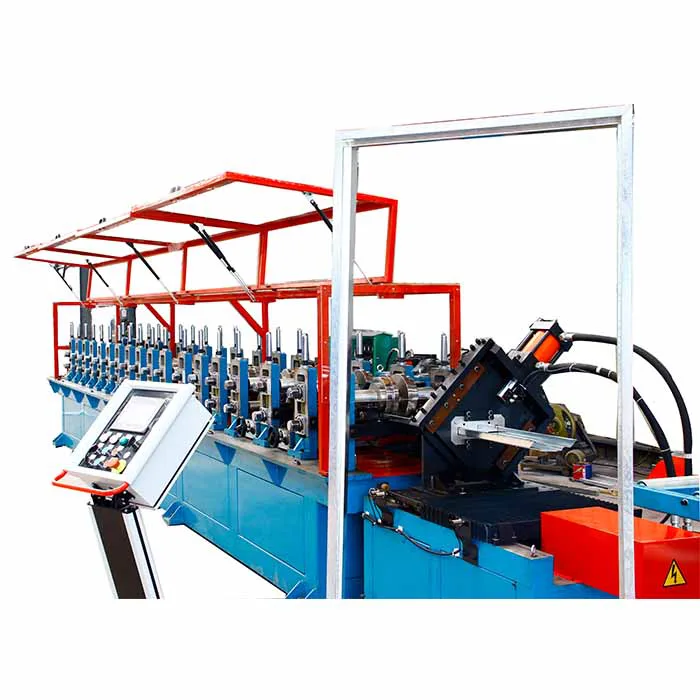
Sheet Metal Machinery: The Ultimate Guide to Industrial Fabrication Excellence
2026/03/04 -

Iron Sheet Laser Cutting Machine: Unmatched Precision for Demanding Fabrication with METMAC
2026/01/06
-
Sheet Metal Press Brake: Ultimate Guide to Precision Bending Technology in 2024
2026/03/13 -
Metal Punching Machine: Ultimate Guide to Precision Manufacturing in 2024
2026/03/11 -
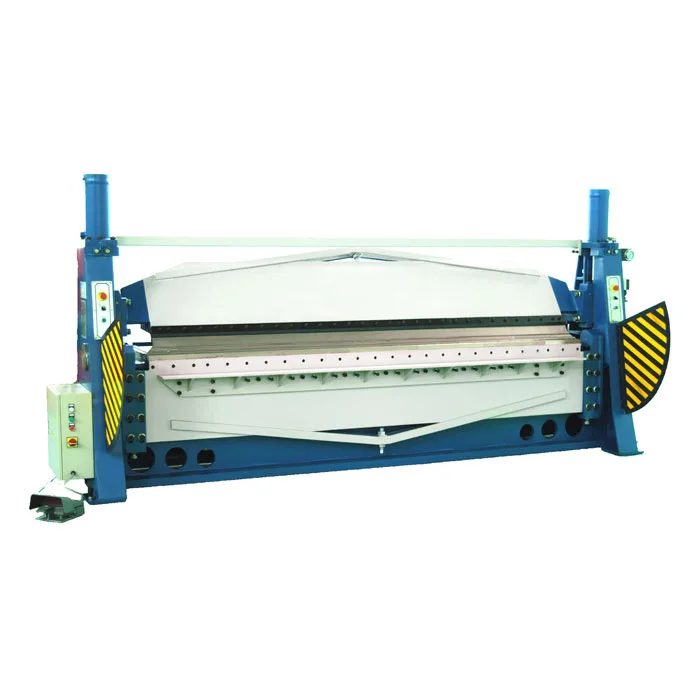
Metal Folding Machine: Comprehensive Guide to Precision Bending in 2024
2026/03/09 -
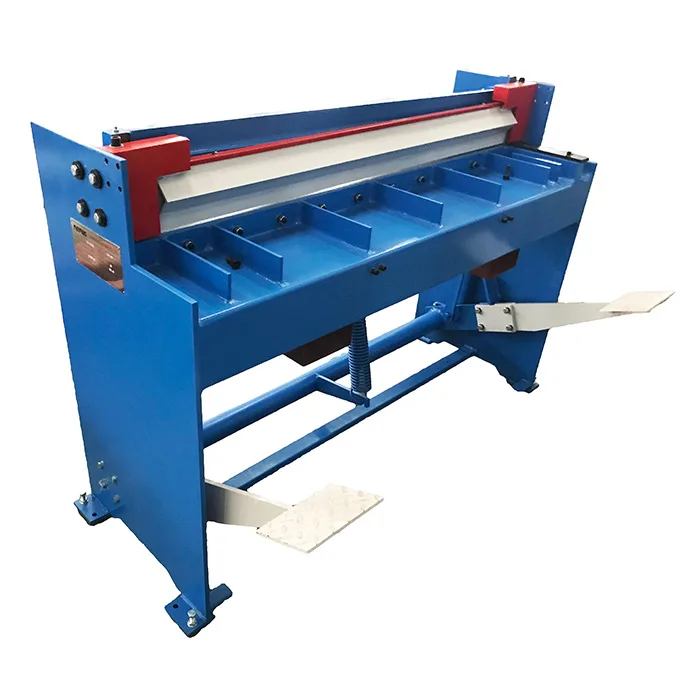
Sheet Metal Equipment: Ultimate Guide to Industrial Fabrication Solutions in 2026
2026/03/06
-
Latest Technological Advancements in Rectangular Duct Machines
2024/05/11 -
Integrating Automation with Rectangular Duct Machines for Enhanced Productivity
2024/05/11 -
Metal Shear Machines- Essential Tools for Precision Metal Cutting
2024/05/11 -
Understanding the Role and Function of Steel Strip Slitting Machines
2024/05/11
-
A Guide to the Latest Innovations in Sheet Metal Folding Machines
2024/11/29 -
Key Features to Consider When Investing in a Sheet Metal Folding Machine
2024/11/28 -
Enhancing Precision with Advanced Sheet Metal Folding Machines
2024/11/27 -
How to Choose the Right Sheet Metal Folding Machine for Your Workshop
2024/11/26
