


Choosing the Right Capacity and Diameter for Your Bends
Determining the appropriate capacity and diameter for your bends is crucial for maximizing efficiency and preventing system failures. Here’s a detailed guide to help you make the right choices:
Capacity Considerations
The capacity of a bend refers to its ability to handle a certain volume of fluid flow. Insufficient capacity can lead to pressure drops and reduced flow rates, while excessive capacity results in wasted energy and higher operating costs. To determine the required capacity, consider:
Peak flow rate requirements
Operating pressure and temperature
Fluid properties, such as viscosity and density
Diameter Considerations
The diameter of a bend affects its flow resistance and pressure drop. A smaller diameter creates more friction, leading to higher pressure drops. Conversely, a larger diameter reduces friction but may increase the bend’s overall size and cost. Key factors to consider include:
Flow velocity and the need to minimize pressure loss
Available space constraints
Material and cost implications
Material Considerations
The material of the bend also influences its capacity and diameter. Common materials include:
Copper: Provides excellent corrosion resistance and heat transfer but is relatively soft.
Brass: A stronger option than copper, offering improved rigidity and durability.
Stainless Steel: Highly resistant to corrosion and wear, making it suitable for harsh environments.
Corrosion Concerns
Corrosion can significantly reduce the capacity and longevity of a bend. Factors to consider include:
Fluid composition and potential for corrosive effects
Operating temperature and pressure
Environmental conditions, such as humidity and exposure to chemicals
Conclusion
Choosing the right capacity and diameter for your bends requires careful consideration of multiple factors, including flow requirements, space constraints, material properties, and corrosion concerns. By following the guidelines outlined above, you can optimize your system’s performance, ensure longevity, and minimize operating costs.
-
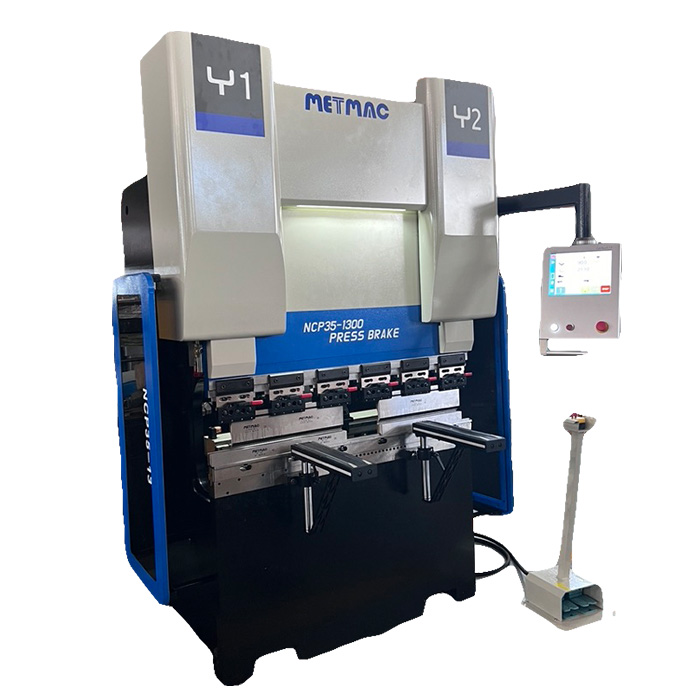
Press Metal Machine: The Definitive Guide to Precision Metal Forming
2026/03/12 -
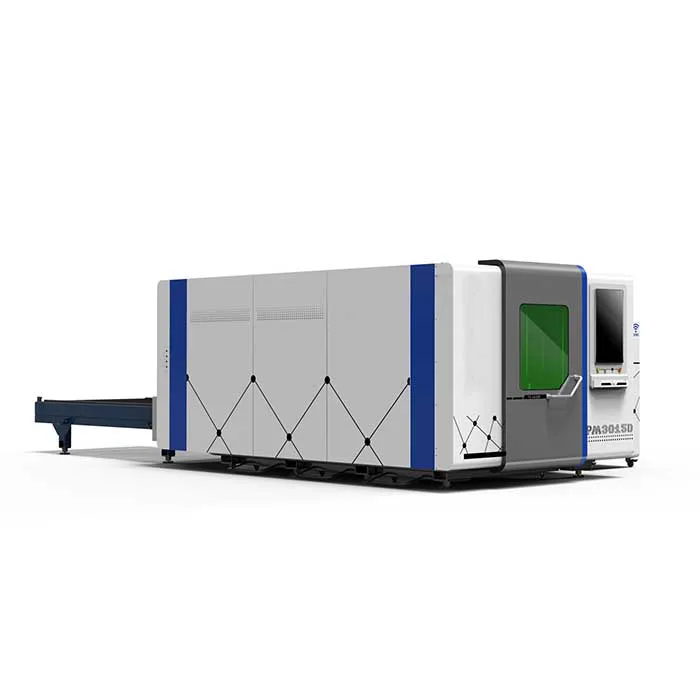
Metal Punching Machine: The Ultimate Guide to Precision Hole Punching
2026/03/10 -
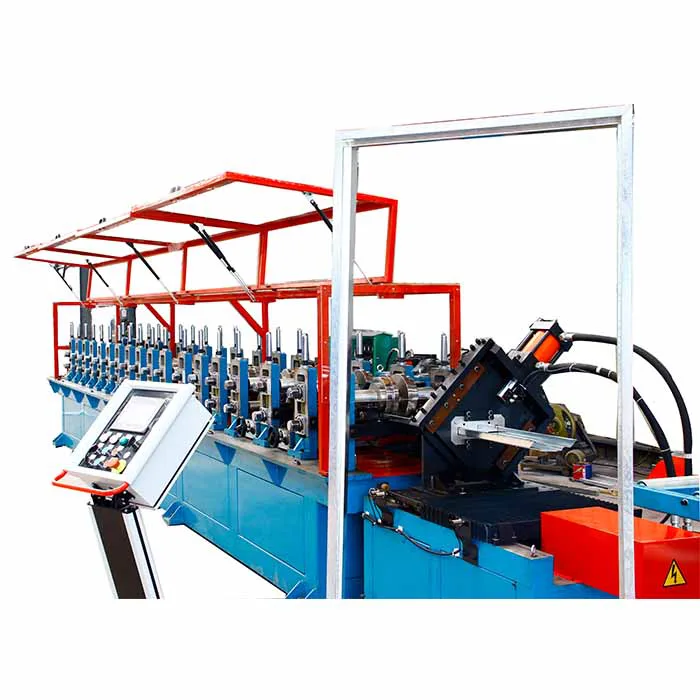
Sheet Metal Machinery: The Ultimate Guide to Industrial Fabrication Excellence
2026/03/04 -

Iron Sheet Laser Cutting Machine: Unmatched Precision for Demanding Fabrication with METMAC
2026/01/06
-
Sheet Metal Press Brake: Ultimate Guide to Precision Bending Technology in 2024
2026/03/13 -
Metal Punching Machine: Ultimate Guide to Precision Manufacturing in 2024
2026/03/11 -
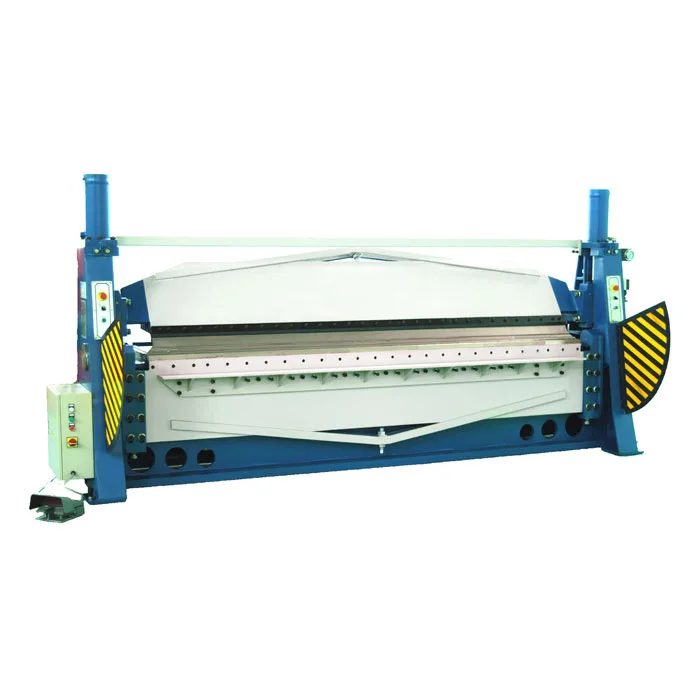
Metal Folding Machine: Comprehensive Guide to Precision Bending in 2024
2026/03/09 -
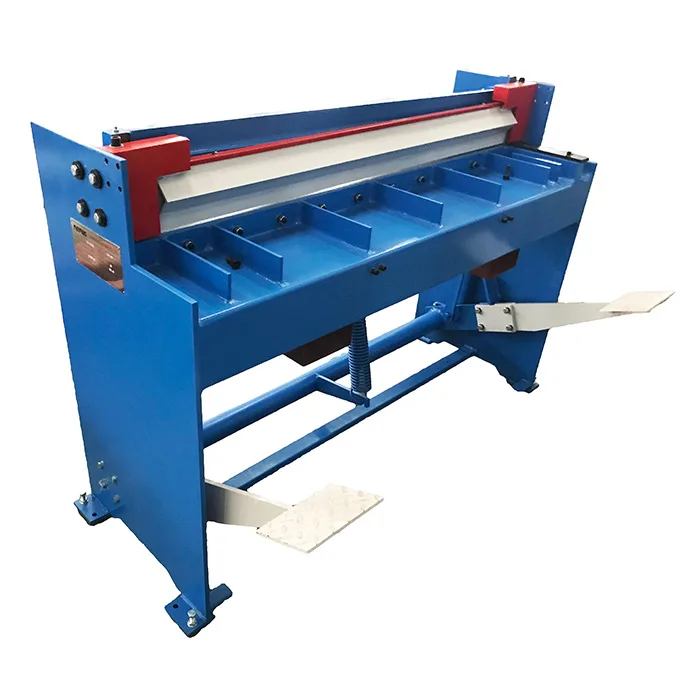
Sheet Metal Equipment: Ultimate Guide to Industrial Fabrication Solutions in 2026
2026/03/06
-
A Guide to the Latest Innovations in Sheet Metal Folding Machines
2024/11/29 -
Key Features to Consider When Investing in a Sheet Metal Folding Machine
2024/11/28 -
Enhancing Precision with Advanced Sheet Metal Folding Machines
2024/11/27 -
How to Choose the Right Sheet Metal Folding Machine for Your Workshop
2024/11/26
