


Safety and Precision- Best Practices for Operating Steel Folding Machines
In the realm of metal fabrication, steel folding machines are indispensable tools for shaping and bending sheet metal. However, their immense power and precision demand utmost caution and adherence to best practices to ensure operator safety and optimal performance. This article delves into the intricacies of safe and efficient operation of steel folding machines, offering a comprehensive guide for professionals in the industry.
Paramount Principles of Safety
Foremost, maintaining a safe operating environment is crucial. Wear appropriate personal protective equipment (PPE) including safety glasses, gloves, and earplugs. Ensure the machine is properly grounded and equipped with safety guards. Establish designated work areas and enforce no-go zones to prevent accidental contact. Regular inspections and maintenance by qualified personnel are essential to mitigate potential hazards.
Precision Procedures
Sheet Metal Preparation and Placement
Handle sheet metal with care to avoid damage or deformation. Ensure it is clean, free of burrs, and properly aligned before positioning it between the folding beams. Securely clamp the metal in place to prevent slippage or misalignment during bending.
Proper Bending Technique
Apply gradual pressure to the folding beams, allowing the metal to bend progressively. Avoid excessive force or sudden movements, which can weaken the material or cause buckling. Use appropriate tooling for the specific type and thickness of sheet metal to achieve precise and consistent results.
Measuring and Marking
Accurately measure and mark the desired folding lines before commencing the bend. Utilize precision measuring instruments and ensure alignment with the machine’s markings. This meticulous attention to detail ensures accurate and repeatable bends.
Inspecting and Finishing
After bending, inspect the final product for any imperfections or deviations from the intended specifications. Touch up any surface imperfections with a hammer or file to maintain the integrity of the folded piece. Finally, remove burrs or sharp edges using appropriate finishing tools.
Conclusion
Skillfully operating steel folding machines requires a meticulous balance of safety and precision. By adhering to the best practices outlined above, professionals can ensure a safe and efficient work environment, minimize risks, and produce high-quality folded metal components. Remember, following these guidelines not only safeguards your well-being but also contributes to the overall productivity and profitability of metal fabrication operations.
-
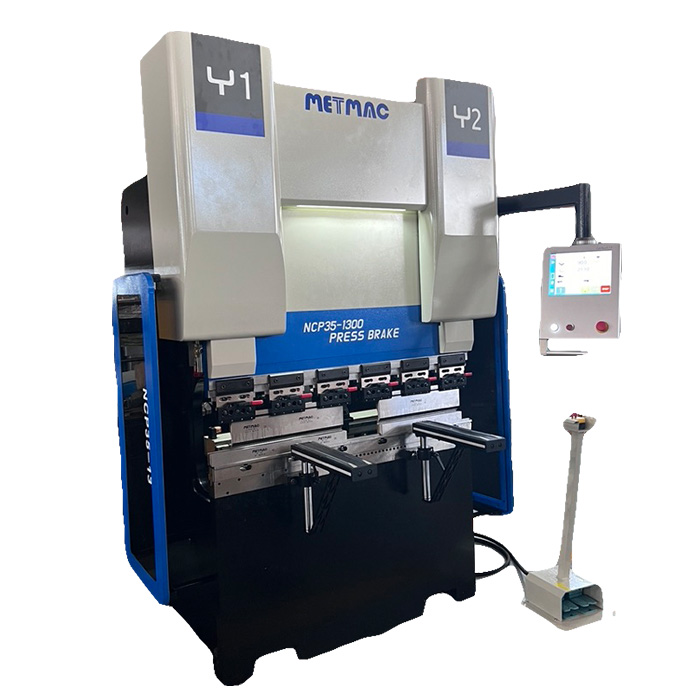
Press Metal Machine: The Definitive Guide to Precision Metal Forming
2026/03/12 -
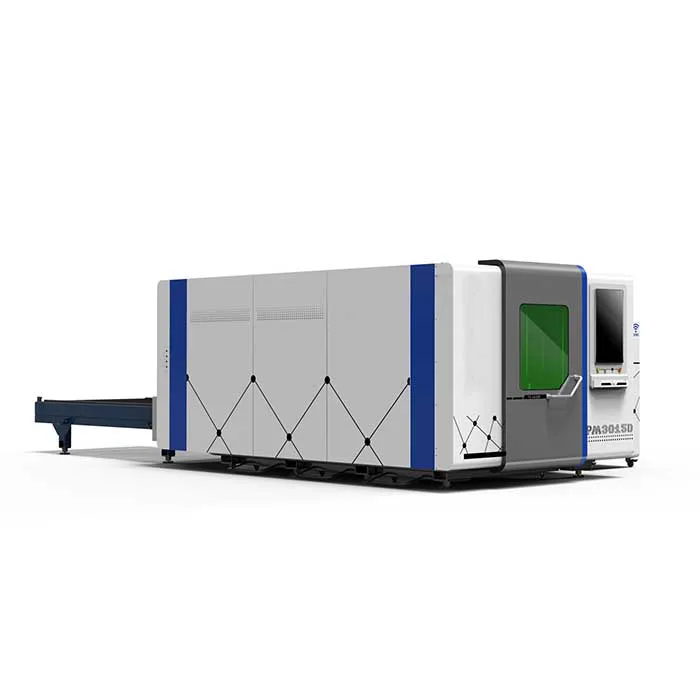
Metal Punching Machine: The Ultimate Guide to Precision Hole Punching
2026/03/10 -
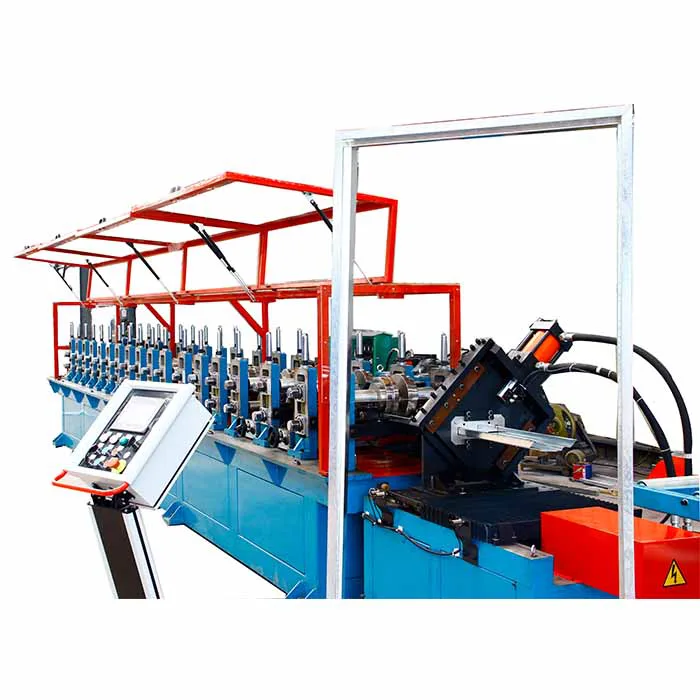
Sheet Metal Machinery: The Ultimate Guide to Industrial Fabrication Excellence
2026/03/04 -
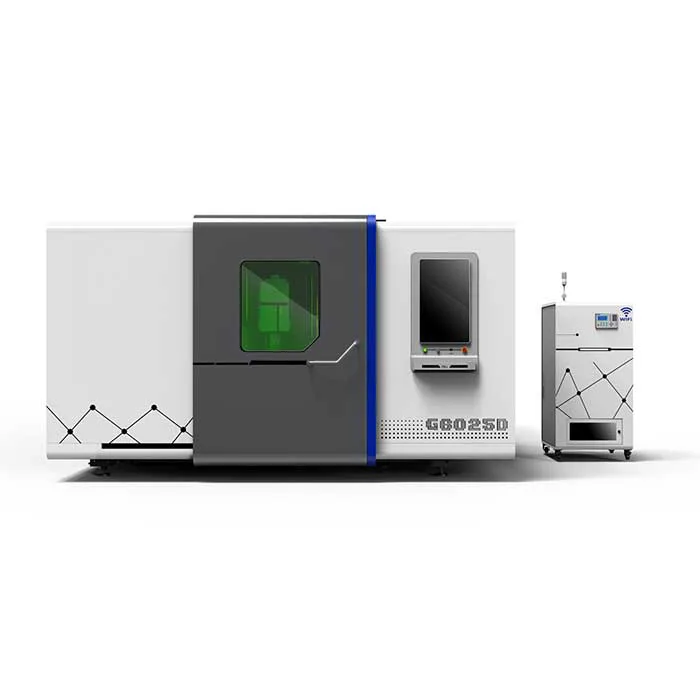
Iron Sheet Laser Cutting Machine: Unmatched Precision for Demanding Fabrication with METMAC
2026/01/06
-
Sheet Metal Press Brake: Ultimate Guide to Precision Bending Technology in 2024
2026/03/13 -
Metal Punching Machine: Ultimate Guide to Precision Manufacturing in 2024
2026/03/11 -
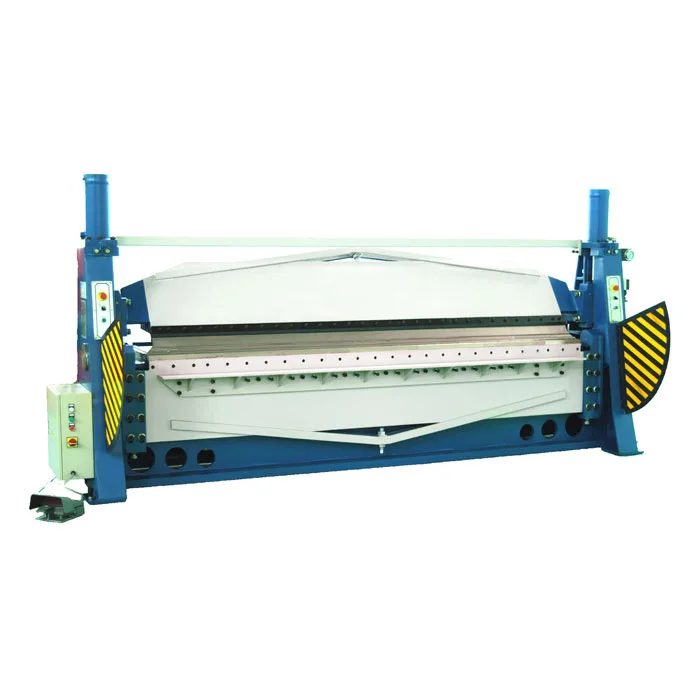
Metal Folding Machine: Comprehensive Guide to Precision Bending in 2024
2026/03/09 -
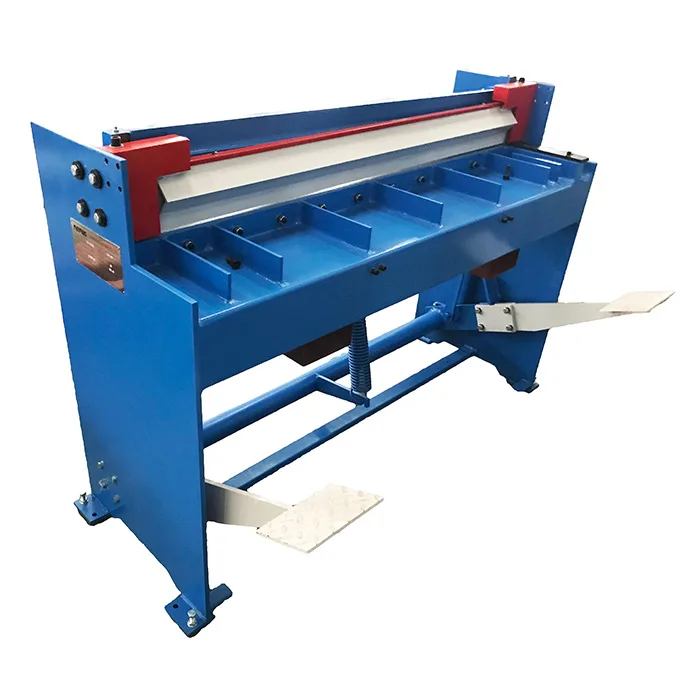
Sheet Metal Equipment: Ultimate Guide to Industrial Fabrication Solutions in 2026
2026/03/06
-
Latest Technological Advancements in Rectangular Duct Machines
2024/05/11 -
Integrating Automation with Rectangular Duct Machines for Enhanced Productivity
2024/05/11 -
Metal Shear Machines- Essential Tools for Precision Metal Cutting
2024/05/11 -
Understanding the Role and Function of Steel Strip Slitting Machines
2024/05/11
-
A Guide to the Latest Innovations in Sheet Metal Folding Machines
2024/11/29 -
Key Features to Consider When Investing in a Sheet Metal Folding Machine
2024/11/28 -
Enhancing Precision with Advanced Sheet Metal Folding Machines
2024/11/27 -
How to Choose the Right Sheet Metal Folding Machine for Your Workshop
2024/11/26
