

Understanding the Mechanics of Hydraulic vs. Mechanical Punching Machines
In the realm of fabrication, precision punching is a vital process that demands efficiency and accuracy. Whether it’s for manufacturing intricate metal components or creating decorative designs, the choice of machine plays a crucial role in achieving optimal results. Two distinct types of punching machines—hydraulic and mechanical—offer varying advantages and limitations. Understanding their mechanics enables fabricators to make informed decisions based on their specific requirements.
Hydraulic Punching Machines: Power and Precision
Hydraulic punching machines harness the power of pressurized fluid to drive a ram that delivers the punching force. This fluid pressure provides immense force, allowing for punching thick materials with high precision. Advanced hydraulic systems also incorporate features such as programmable force control, enabling users to fine-tune the punching process for different materials and applications.
Mechanical Punching Machines: Speed and Versatility
Mechanical punching machines rely on a rotating flywheel or crankshaft to generate the punching force. With their high speeds and ability to handle a wide range of materials, mechanical punching machines excel in repetitive punching operations and continuous production environments. They offer versatility by accommodating various punch shapes and sizes, making them ideal for creating complex geometries and patterns.
Key Differences: A Comparative Analysis
Power: Hydraulic machines provide higher punching force, allowing for thicker material processing.
Speed: Mechanical machines operate faster, making them suitable for high-volume punching.
Precision: Hydraulic systems offer better precision and control, resulting in clean and accurate holes.
Versatility: Mechanical machines handle various punch shapes and sizes, facilitating diverse applications.
Maintenance: Hydraulic systems require regular fluid changes and component inspections, while mechanical machines need periodic lubrication and adjustment.
Choosing the Right Machine: Considerations for Fabricators
Selecting the appropriate punching machine depends on several factors:
Material Thickness: Hydraulic machines are preferred for punching thicker materials.
Volume: Mechanical machines are more efficient for high-volume punching operations.
Accuracy: Hydraulic machines offer better precision for critical applications.
Versatility: Mechanical machines provide flexibility in punch shapes and sizes.
Budget: Hydraulic machines typically have higher initial costs compared to mechanical machines.
By understanding the mechanics and key differences between hydraulic and mechanical punching machines, fabricators can make informed decisions and choose the ideal machine for their specific requirements. This ensures optimal performance, efficiency, and precision in the fabrication process.
-
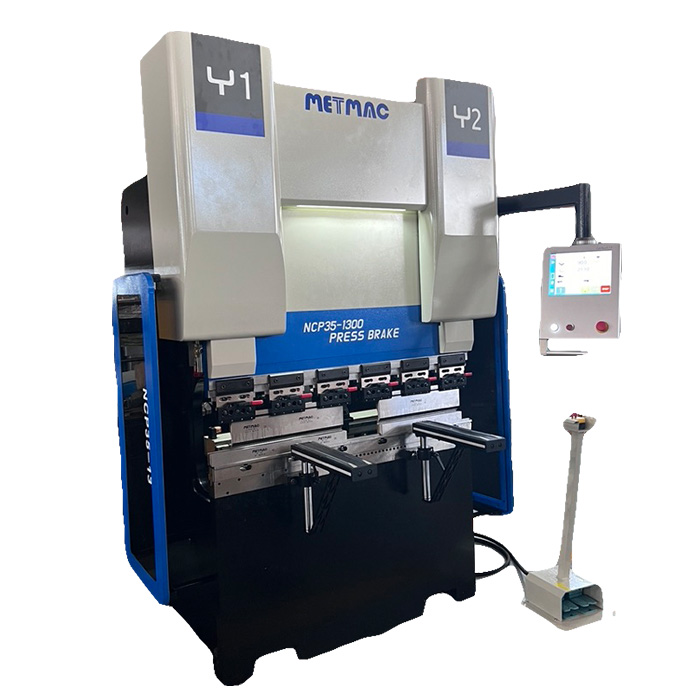
Press Metal Machine: The Definitive Guide to Precision Metal Forming
2026/03/12 -
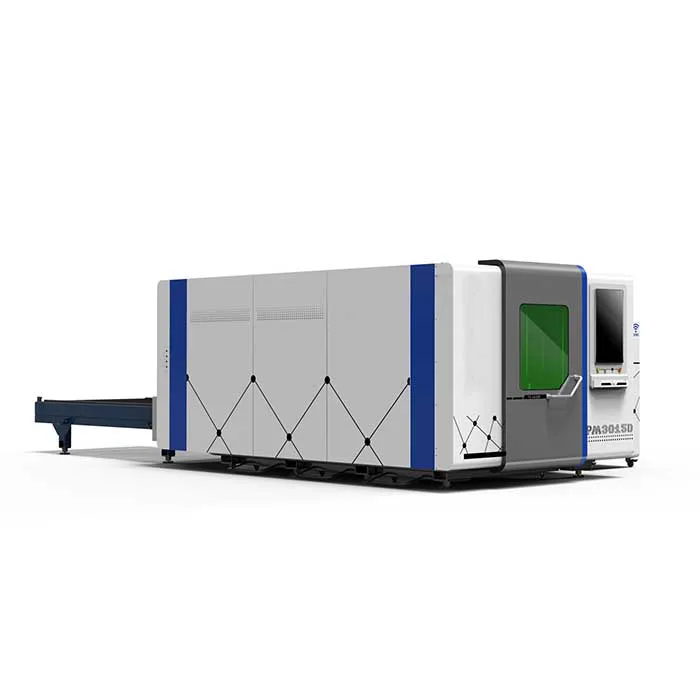
Metal Punching Machine: The Ultimate Guide to Precision Hole Punching
2026/03/10 -
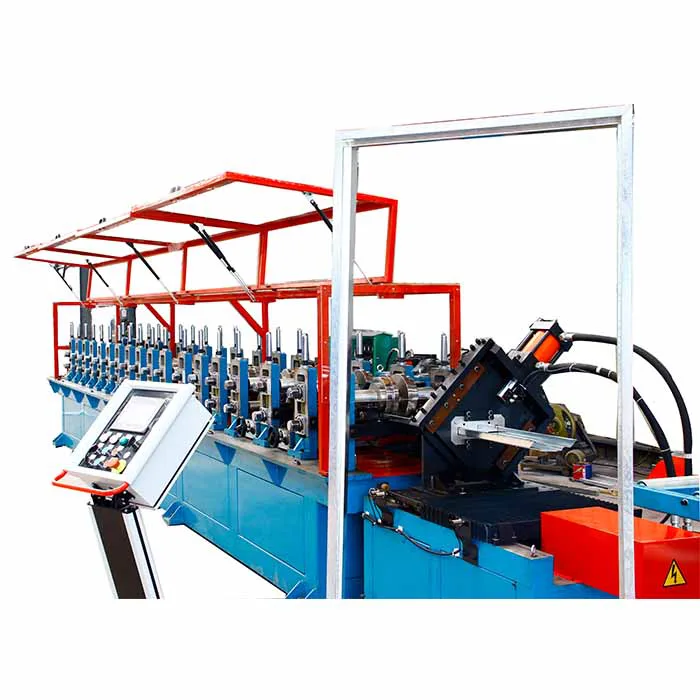
Sheet Metal Machinery: The Ultimate Guide to Industrial Fabrication Excellence
2026/03/04 -
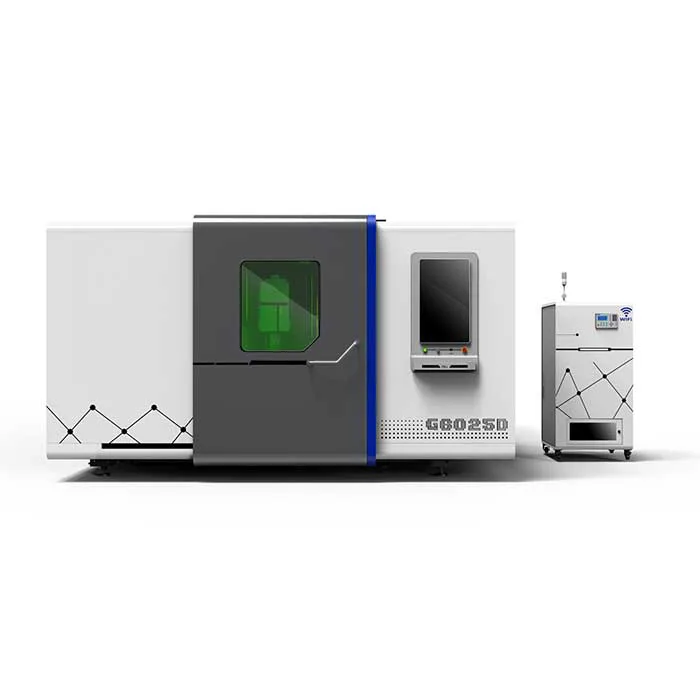
Iron Sheet Laser Cutting Machine: Unmatched Precision for Demanding Fabrication with METMAC
2026/01/06
-
Sheet Metal Press Brake: Ultimate Guide to Precision Bending Technology in 2024
2026/03/13 -
Metal Punching Machine: Ultimate Guide to Precision Manufacturing in 2024
2026/03/11 -
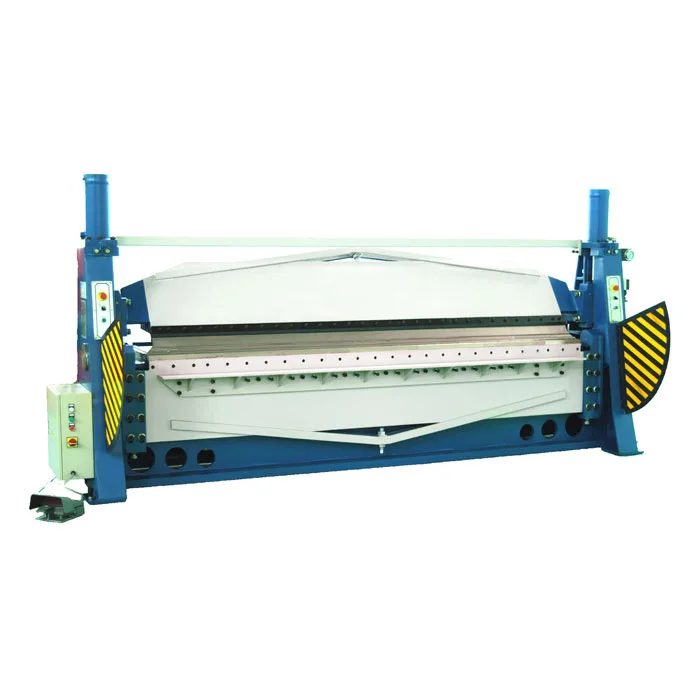
Metal Folding Machine: Comprehensive Guide to Precision Bending in 2024
2026/03/09 -
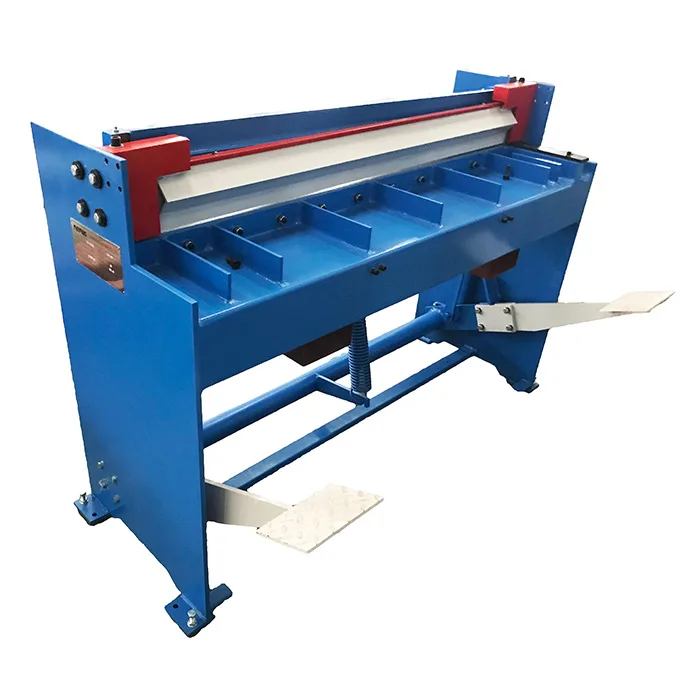
Sheet Metal Equipment: Ultimate Guide to Industrial Fabrication Solutions in 2026
2026/03/06
-
A Guide to the Latest Innovations in Sheet Metal Folding Machines
2024/11/29 -
Key Features to Consider When Investing in a Sheet Metal Folding Machine
2024/11/28 -
Enhancing Precision with Advanced Sheet Metal Folding Machines
2024/11/27 -
How to Choose the Right Sheet Metal Folding Machine for Your Workshop
2024/11/26
