


The Importance of Quality Control in Metal Sheet Forming
The Importance of Quality Control in Metal Sheet Forming: The Precision Keystone
In the labyrinthine world of metal fabrication, quality control stands as a stalwart guardian, ensuring the meticulous execution of every intricate bend, cut, and form. It is the lifeblood of metal sheet forming, a process that transforms raw sheets of metal into the building blocks of countless industries.
Without stringent quality control, the precision demanded by modern manufacturing becomes an elusive phantom. Defects lurk in the shadows, threatening to compromise the structural integrity, aesthetic appeal, and overall functionality of the finished product. From microscopic burrs to misaligned bends, even the slightest imperfections can have catastrophic consequences.
The stakes are high in industries that rely on metal sheet forming. Automotive components, medical devices, and architectural structures all require parts that are flawlessly formed, with tolerances measured in microns. A single subpar part can lead to costly recalls, safety hazards, or even loss of life.
To ensure that every metal sheet meets the exacting standards demanded by these critical applications, a comprehensive quality control system is essential. This system should encompass every stage of the forming process, from material inspection to final assembly.
Non-destructive testing techniques, such as ultrasonic and eddy current testing, play a vital role in detecting internal defects that may escape the naked eye. Dimensional measurement systems ensure that parts conform to precise specifications, while surface roughness testing helps to prevent premature wear and corrosion.
But quality control goes beyond mere inspection. It requires a culture of continuous improvement, where employees are empowered to identify and address potential problems before they escalate into major defects. Statistical process control techniques allow manufacturers to track and analyze process data, identifying patterns and anomalies that may indicate a need for adjustments.
In the ever-evolving world of manufacturing, quality control is not simply a cost center but an investment in customer satisfaction, reputation, and ultimately, the success of the enterprise. By embracing the importance of quality control in metal sheet forming, manufacturers can forge products that stand the test of time, ensuring both safety and the enduring legacy of precision engineering.
-
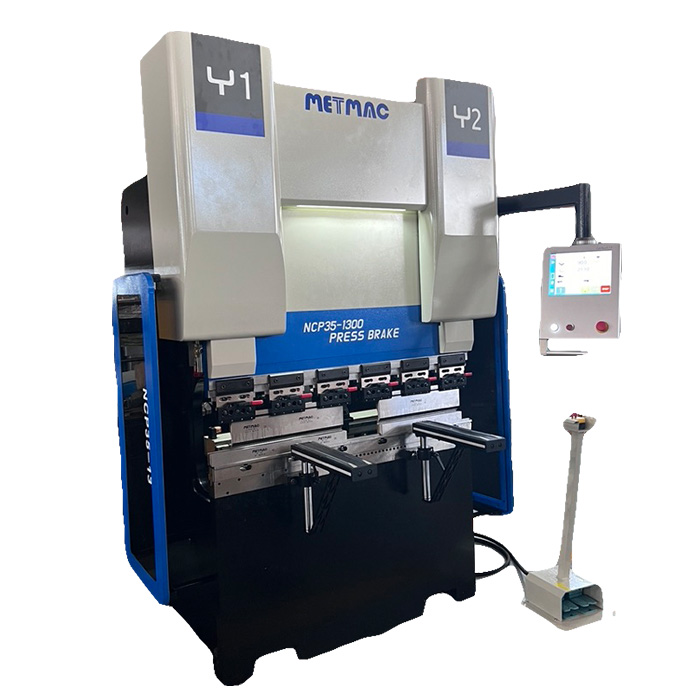
Press Metal Machine: The Definitive Guide to Precision Metal Forming
2026/03/12 -
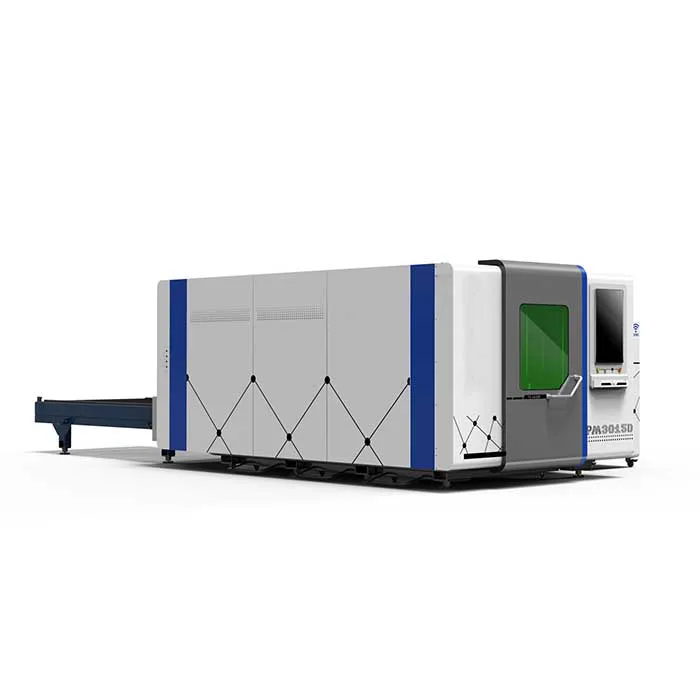
Metal Punching Machine: The Ultimate Guide to Precision Hole Punching
2026/03/10 -
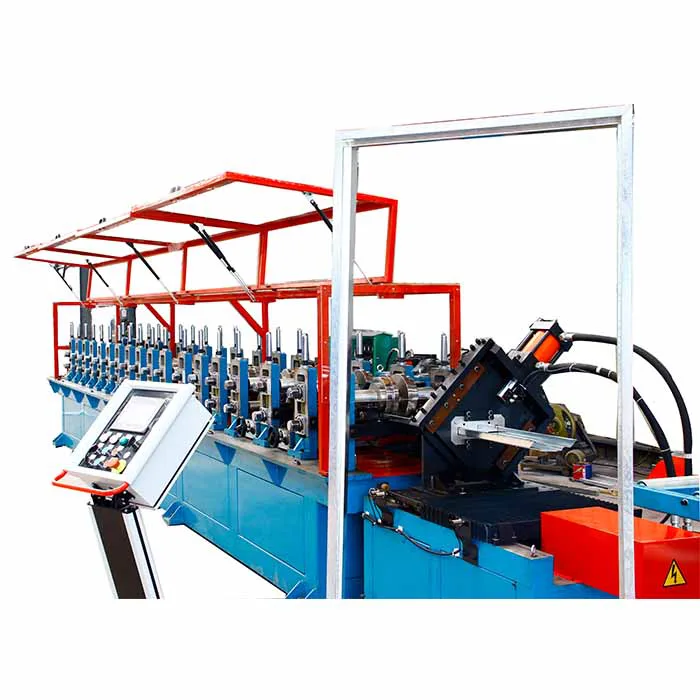
Sheet Metal Machinery: The Ultimate Guide to Industrial Fabrication Excellence
2026/03/04 -
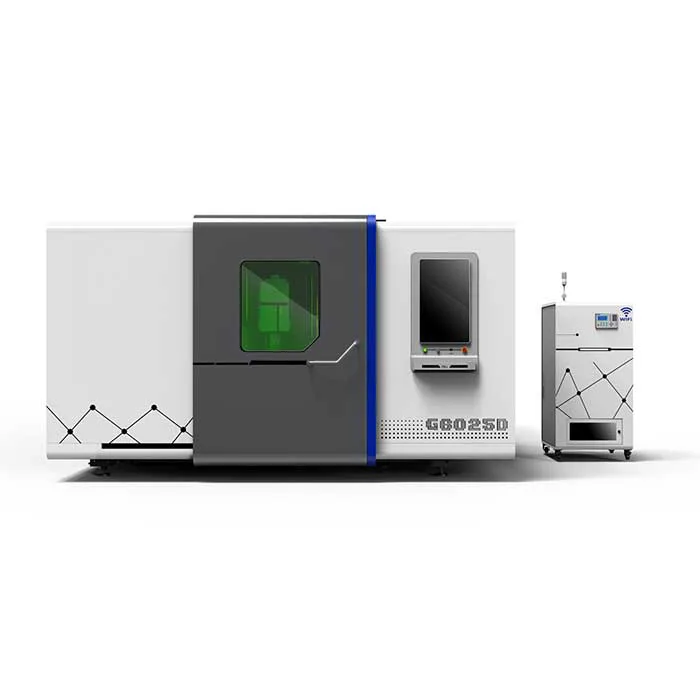
Iron Sheet Laser Cutting Machine: Unmatched Precision for Demanding Fabrication with METMAC
2026/01/06
-
Sheet Metal Press Brake: Ultimate Guide to Precision Bending Technology in 2024
2026/03/13 -
Metal Punching Machine: Ultimate Guide to Precision Manufacturing in 2024
2026/03/11 -
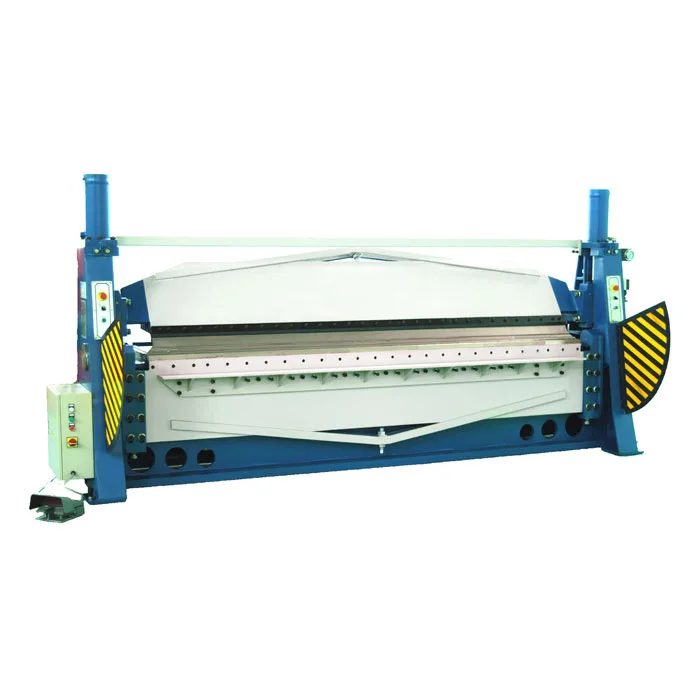
Metal Folding Machine: Comprehensive Guide to Precision Bending in 2024
2026/03/09 -
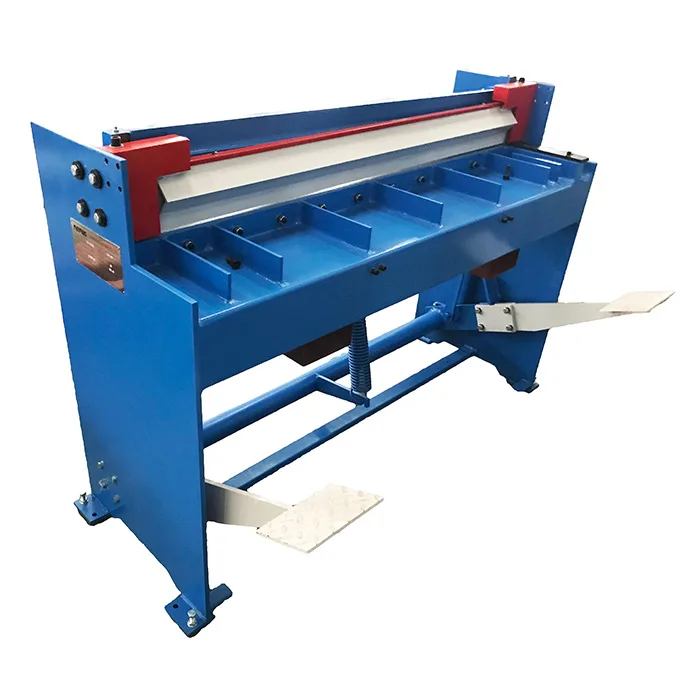
Sheet Metal Equipment: Ultimate Guide to Industrial Fabrication Solutions in 2026
2026/03/06
-
A Guide to the Latest Innovations in Sheet Metal Folding Machines
2024/11/29 -
Key Features to Consider When Investing in a Sheet Metal Folding Machine
2024/11/28 -
Enhancing Precision with Advanced Sheet Metal Folding Machines
2024/11/27 -
How to Choose the Right Sheet Metal Folding Machine for Your Workshop
2024/11/26
