


Safety Protocols for Operating a Plate Bender Machine
Plate bending machines, indispensable tools in the metalworking industry, can pose significant safety hazards if proper protocols are not adhered to. This article provides a comprehensive guide to the essential safety measures required for operating a plate bender machine, covering pre-operation checks, machine setup, material handling, and post-operation procedures.
Pre-Operation Checks
Before commencing operation, it is crucial to conduct thorough pre-operation checks to ensure the machine is functioning correctly and the work area is safe. This includes:
1. Inspecting the machine for any signs of damage, loose connections, or malfunctioning components.
2. Verifying that all safety guards and interlocks are in place and operational.
3. Checking the hydraulic system for leaks or insufficient pressure.
4. Clearing the work area of any obstructions or debris.
Machine Setup
Proper machine setup is essential for accurate and safe operation. Key considerations include:
1. Positioning the material correctly on the bending table, ensuring it is aligned with the bending axis.
2. Selecting the appropriate bending tool for the material type and thickness.
3. Setting the bending parameters, including bend angle, speed, and pressure, according to the manufacturer’s specifications.
4. Installing appropriate safety devices, such as foot switches or two-hand controls, to prevent accidental machine activation.
Material Handling
Handling heavy metal plates requires utmost care to prevent injuries. Safety precautions include:
1. Using proper lifting techniques and equipment to avoid strain or back injuries.
2. Wearing appropriate personal protective equipment (PPE), including safety glasses, gloves, and steel-toed boots.
3. Ensuring that the material is free from sharp edges or burrs that could cause cuts or punctures.
4. Inspecting the material for any defects or imperfections that could compromise its integrity during bending.
Post-Operation Procedures
Once bending is complete, proper post-operation procedures are essential to ensure safety:
1. Allow the machine to cool down sufficiently before attempting to remove the bent workpiece.
2. Use appropriate lifting techniques and equipment to remove the workpiece safely.
3. Inspect the machine for any damage or wear and tear that may require maintenance or repairs.
4. Clean the work area and dispose of any scrap material or waste properly.
Conclusion
By adhering to these safety protocols, operators can mitigate the risks associated with operating a plate bender machine and create a safe work environment. Regular training and supervision, combined with a commitment to following established safety procedures, are crucial for ensuring the well-being of workers and the optimal performance of the machine.
-
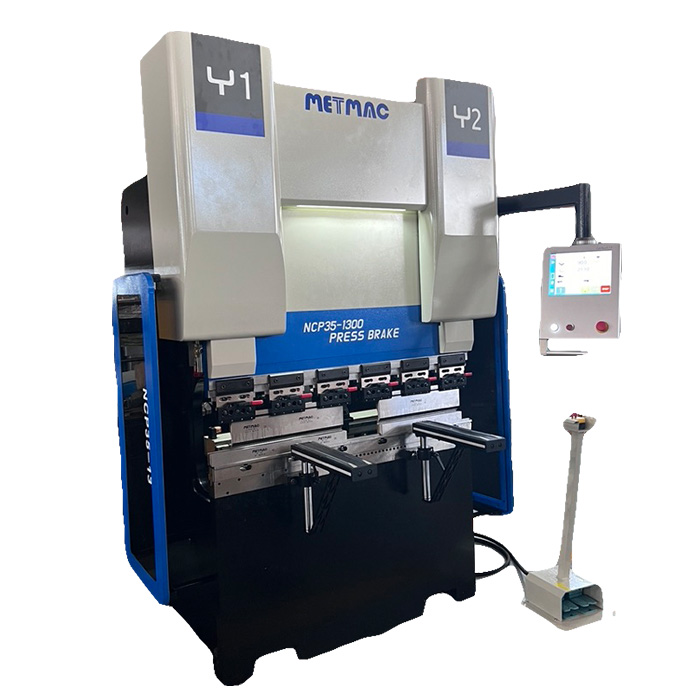
Press Metal Machine: The Definitive Guide to Precision Metal Forming
2026/03/12 -
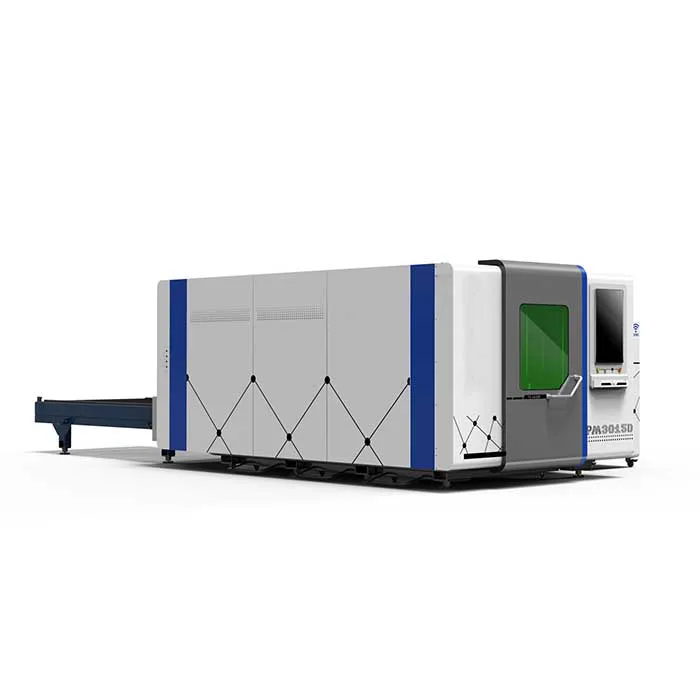
Metal Punching Machine: The Ultimate Guide to Precision Hole Punching
2026/03/10 -
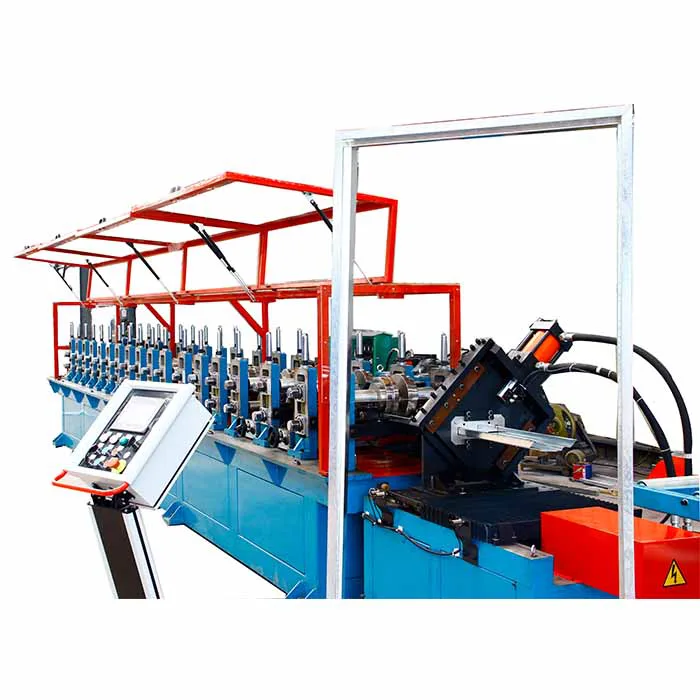
Sheet Metal Machinery: The Ultimate Guide to Industrial Fabrication Excellence
2026/03/04 -
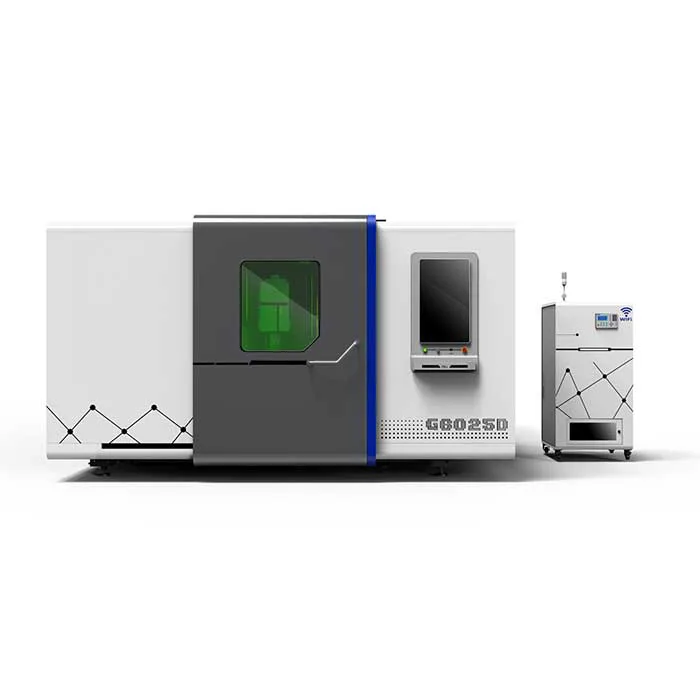
Iron Sheet Laser Cutting Machine: Unmatched Precision for Demanding Fabrication with METMAC
2026/01/06
-
Sheet Metal Press Brake: Ultimate Guide to Precision Bending Technology in 2024
2026/03/13 -
Metal Punching Machine: Ultimate Guide to Precision Manufacturing in 2024
2026/03/11 -
Metal Folding Machine: Comprehensive Guide to Precision Bending in 2024
2026/03/09 -
Sheet Metal Equipment: Ultimate Guide to Industrial Fabrication Solutions in 2026
2026/03/06
-
A Guide to the Latest Innovations in Sheet Metal Folding Machines
2024/11/29 -
Key Features to Consider When Investing in a Sheet Metal Folding Machine
2024/11/28 -
Enhancing Precision with Advanced Sheet Metal Folding Machines
2024/11/27 -
How to Choose the Right Sheet Metal Folding Machine for Your Workshop
2024/11/26
