


Precision Bending- Enhancing Accuracy with Plate Rolling Machines
Metalworking industries rely heavily on precision bending techniques to shape and manipulate metal plates into complex geometries. One indispensable tool for achieving high-precision bending is the plate rolling machine. This article delves into the intricacies of precision bending with plate rolling machines and explores the various factors that contribute to accurate and consistent results.
Factors Influencing Precision Bending
Material Characteristics
The properties of the metal being bent significantly impact the accuracy of the process. Factors such as material thickness, yield strength, and ductility affect the machine’s ability to produce precise bends. Thinner materials require lower forces and narrower gap widths, while thicker materials necessitate higher forces and larger gaps.
Machine Geometry and Roll Design
The design of the plate rolling machine plays a crucial role in precision bending. The arrangement and geometry of the rolls determine the bending force distribution and the accuracy of the formed shape. Precision bending machines typically employ three or four rolls, each with a specific profile to ensure controlled bending and prevent material distortion.
Process Control and Automation
Advanced process control systems are essential for achieving high-precision bending. These systems monitor and adjust the bending parameters, such as roll speeds, bending forces, and gap widths, in real-time. Automation features, such as CNC (Computer Numerical Control) and closed-loop feedback systems, enhance accuracy by eliminating manual errors and maintaining consistent bending conditions.
Operator Skills and Experience
The operator’s skill and experience play a vital role in precision bending. Proper setup and operation of the machine are crucial to ensure accurate results. Operators must be proficient in setting up the rolls, adjusting the bending parameters, and monitoring the bending process.
Quality Assurance and Inspection
Rigorous quality assurance measures are essential to maintain precision bending accuracy. Inspection and measurement techniques, such as laser profiling and coordinate measuring machines, are employed to verify the dimensions and geometry of the bent components. These techniques help identify any deviations from the desired specifications and enable corrective actions.
Benefits of Precision Bending
Precision bending with plate rolling machines offers numerous benefits for metalworking industries, including:
Increased Product Quality
Accurate bending ensures precise dimensions and consistent shapes, leading to higher product quality and reduced rework.
Enhanced Performance
Precisely bent components fit together seamlessly, improving the performance and reliability of the final product.
Reduced Material Waste
Precision bending minimizes material waste by reducing scrap and allowing for more efficient material utilization.
Improved Production Efficiency
Automated processes and optimized bending parameters enhance production efficiency and reduce lead times.
Cost Savings
Precision bending reduces rework, scrap, and production delays, ultimately leading to cost savings for manufacturers.
Conclusion
Precision bending with plate rolling machines is a crucial technique for producing high-quality and accurate metal components. By optimizing material characteristics, machine geometry, process control, operator skills, and quality assurance measures, manufacturers can achieve exceptional bending accuracy and enhance the performance, reliability, and cost-effectiveness of their metal products.
-
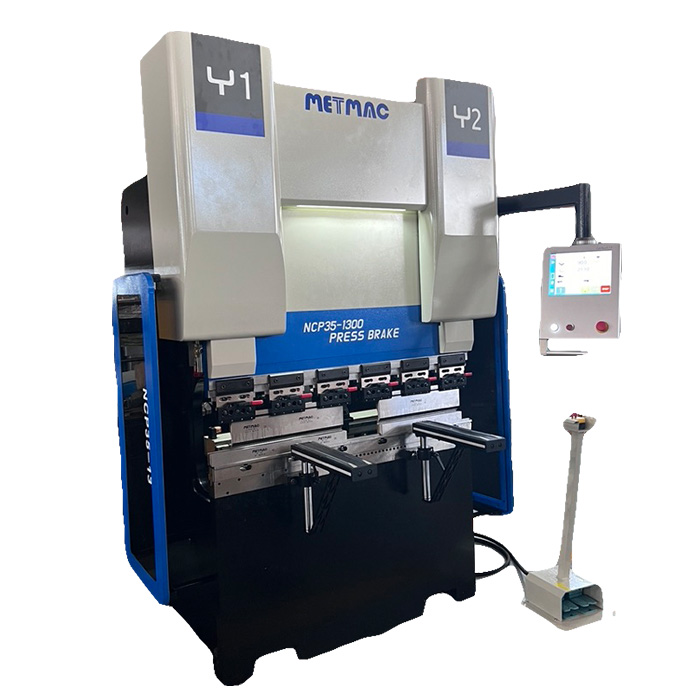
Press Metal Machine: The Definitive Guide to Precision Metal Forming
2026/03/12 -
Metal Punching Machine: The Ultimate Guide to Precision Hole Punching
2026/03/10 -
Sheet Metal Machinery: The Ultimate Guide to Industrial Fabrication Excellence
2026/03/04 -
Iron Sheet Laser Cutting Machine: Unmatched Precision for Demanding Fabrication with METMAC
2026/01/06
-
Sheet Metal Press Brake: Ultimate Guide to Precision Bending Technology in 2024
2026/03/13 -
Metal Punching Machine: Ultimate Guide to Precision Manufacturing in 2024
2026/03/11 -
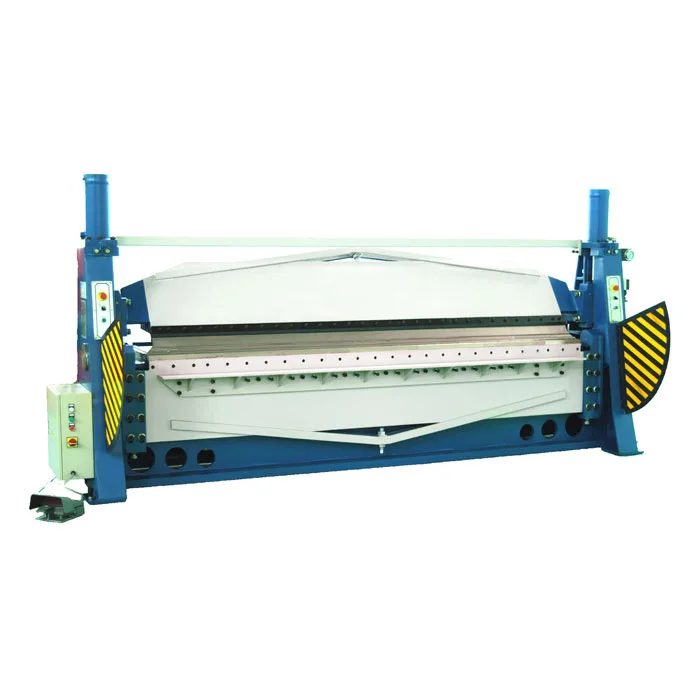
Metal Folding Machine: Comprehensive Guide to Precision Bending in 2024
2026/03/09 -
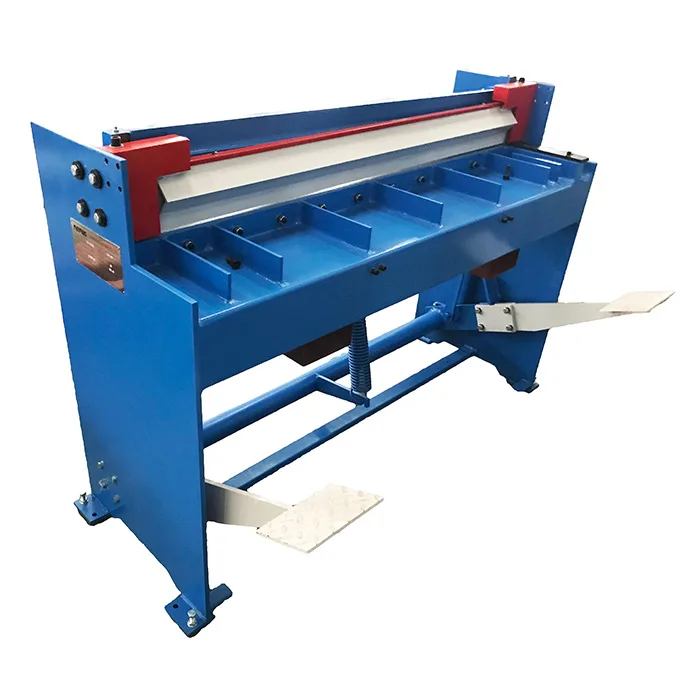
Sheet Metal Equipment: Ultimate Guide to Industrial Fabrication Solutions in 2026
2026/03/06
-
A Guide to the Latest Innovations in Sheet Metal Folding Machines
2024/11/29 -
Key Features to Consider When Investing in a Sheet Metal Folding Machine
2024/11/28 -
Enhancing Precision with Advanced Sheet Metal Folding Machines
2024/11/27 -
How to Choose the Right Sheet Metal Folding Machine for Your Workshop
2024/11/26
