

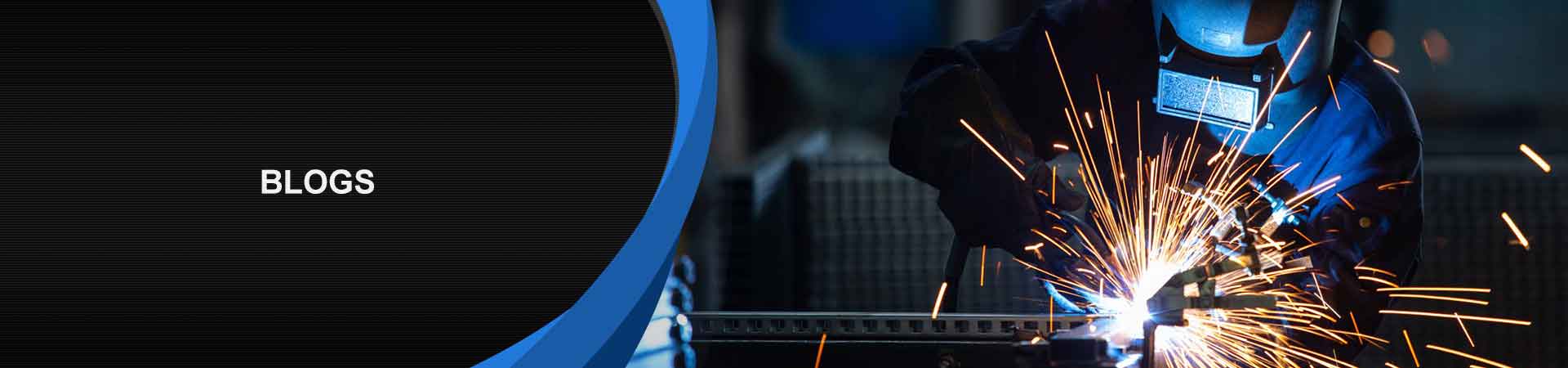
Maintenance Best Practices for Plasma Cutters in Ductwork
Plasma cutters are indispensable tools for fabricating ductwork. By following these maintenance best practices, you can ensure optimal performance, longevity, and safety.
Regular Cleaning and Inspection
Regular cleaning removes dust, debris, and spatter that can accumulate on the cutter and its components. Use a soft brush or compressed air to gently remove loose contaminants. Inspect the cutter for any signs of damage, such as cracks, broken wires, or loose connections. Cleaning and inspection should be performed daily or as needed.
Nozzle and Electrode Maintenance
The nozzle and electrode are critical components that require frequent attention. Replace the nozzle when it becomes worn or damaged. Inspect the electrode for wear and clean or replace it as necessary. The frequency of nozzle and electrode replacement depends on usage and material type.
Shield Gas Management
Plasma cutters require a constant flow of shield gas to protect the cutting area from atmospheric contaminants. Ensure the gas supply is adequate and free of impurities. The appropriate shield gas for specific applications should be used. Monitor the gas flow and adjust as needed to maintain optimal cutting performance.
Power Supply Maintenance
The power supply is the heart of the plasma cutter. Protect it from moisture, dust, and excessive heat. Inspect the power supply for any signs of damage or loose connections. Ensure the wiring is properly terminated and all components are securely fastened. Electrical maintenance should be performed by a qualified electrician.
Consumable Monitoring
Consumables such as nozzles, electrodes, and shield gas are essential for proper operation. Track the usage of consumables and replace them when they reach their end of life. Using worn or damaged consumables can compromise cutting quality and safety.
Proper Storage and Handling
When not in use, store the plasma cutter in a clean, dry environment. Protect it from dust, moisture, and extreme temperatures. Handle the cutter carefully to avoid accidental damage. Transport the cutter using a secure and appropriate method.
Safety Precautions
Always wear appropriate personal protective equipment (PPE) when operating a plasma cutter. This includes eye protection, gloves, and fire-resistant clothing. Ensure the cutting area is well-ventilated to avoid exposure to harmful fumes. Never operate the cutter in wet or hazardous conditions.
By adhering to these maintenance best practices, you can extend the lifespan of your plasma cutter, improve cutting quality, and enhance safety. Regular maintenance and care will ensure optimal performance and reduce the risk of equipment failures and accidents.
-
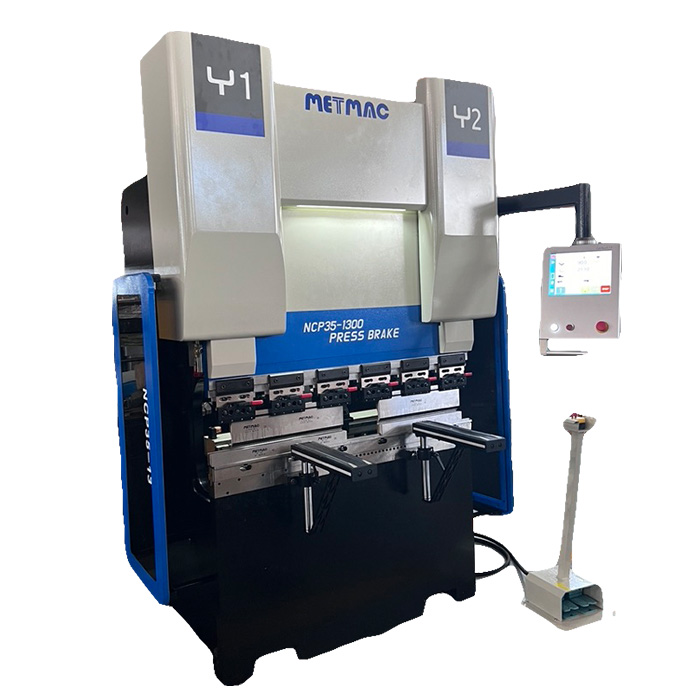
Press Metal Machine: The Definitive Guide to Precision Metal Forming
2026/03/12 -
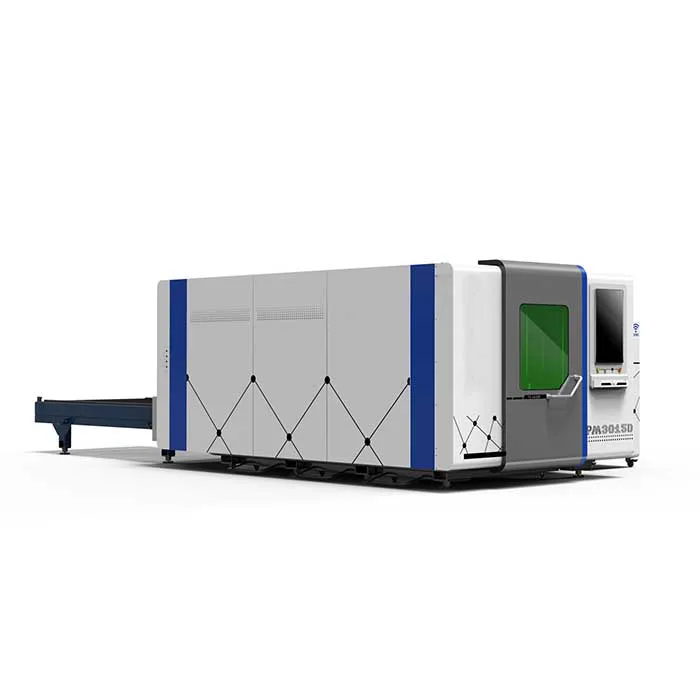
Metal Punching Machine: The Ultimate Guide to Precision Hole Punching
2026/03/10 -
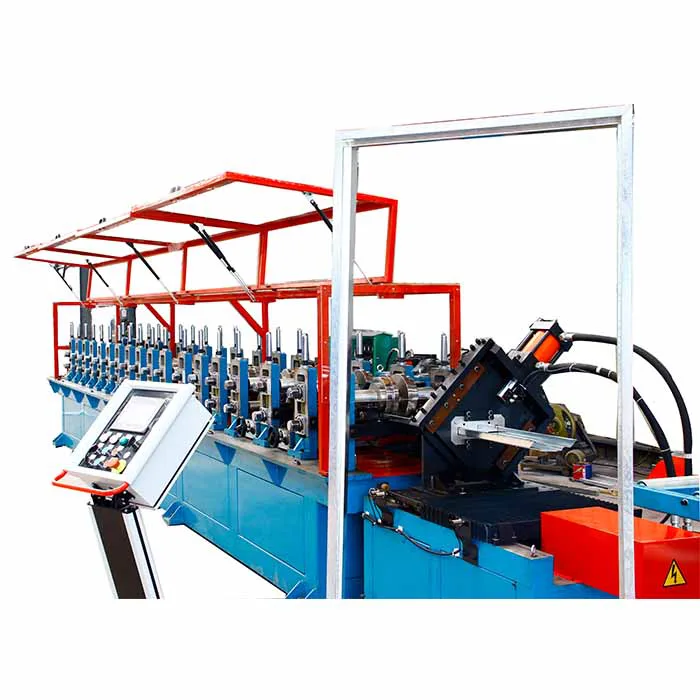
Sheet Metal Machinery: The Ultimate Guide to Industrial Fabrication Excellence
2026/03/04 -

Iron Sheet Laser Cutting Machine: Unmatched Precision for Demanding Fabrication with METMAC
2026/01/06
-
Sheet Metal Press Brake: Ultimate Guide to Precision Bending Technology in 2024
2026/03/13 -
Metal Punching Machine: Ultimate Guide to Precision Manufacturing in 2024
2026/03/11 -
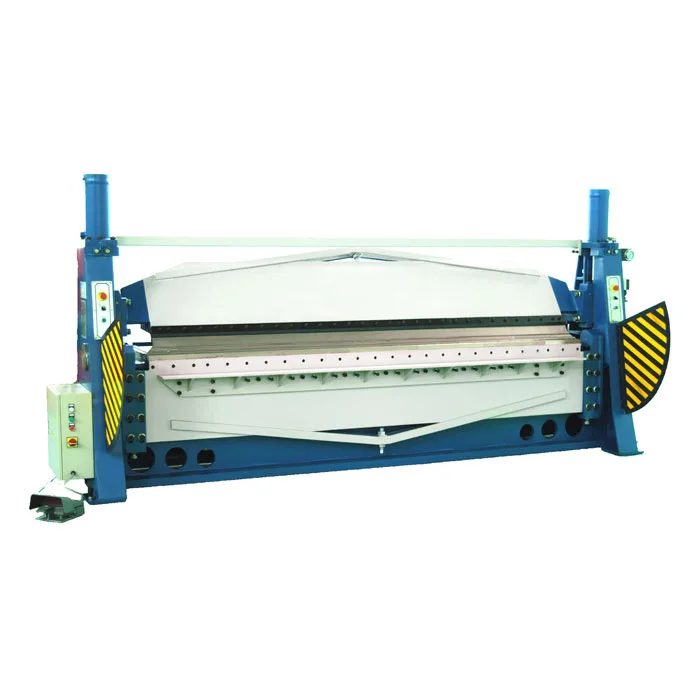
Metal Folding Machine: Comprehensive Guide to Precision Bending in 2024
2026/03/09 -
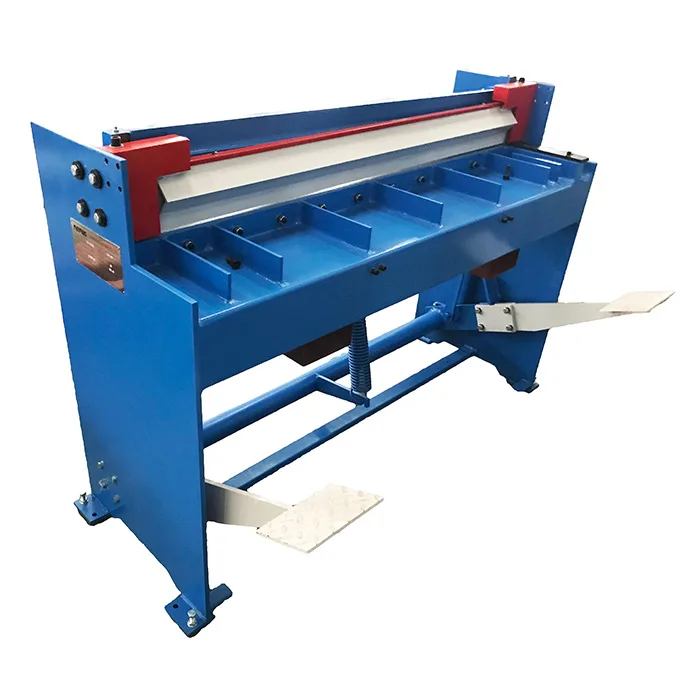
Sheet Metal Equipment: Ultimate Guide to Industrial Fabrication Solutions in 2026
2026/03/06
-
A Guide to the Latest Innovations in Sheet Metal Folding Machines
2024/11/29 -
Key Features to Consider When Investing in a Sheet Metal Folding Machine
2024/11/28 -
Enhancing Precision with Advanced Sheet Metal Folding Machines
2024/11/27 -
How to Choose the Right Sheet Metal Folding Machine for Your Workshop
2024/11/26
