


Installing and Setting Up Sheet Bending Machines- Key Steps
Sheet bending machines are essential tools in various industries, from metal fabrication to automotive manufacturing. Proper installation and setup are crucial to ensure the machine’s optimal performance and longevity. Here are the key steps involved:
Site Preparation
Foundation: The machine should be installed on a level and stable foundation to prevent vibrations and ensure accuracy.
Electrical: Adequate electrical power, including the proper voltage and amperage, must be provided to support the machine’s operation.
Air Supply: Compressed air is required for various functions, such as clamping and ejection. Ensure a clean and reliable air supply.
Machine Assembly
Unloading and Positioning: Use a forklift or crane to unload the machine and position it at the designated location.
Leveling and Alignment: Level the machine using shims or leveling bolts. Align the bed and tooling with precision to achieve accurate bending.
Tooling Selection: Choose the appropriate bending tools (dies and punches) based on the material and thickness of the sheet metal being processed.
Machine Setup
Clamping Pressure: Adjust the clamping pressure to securely hold the sheet metal during bending.
Bending Angle: Set the desired bending angle using the machine’s controller or digital readout.
Safety Features: Familiarize yourself with the machine’s safety features, such as emergency stops and guarding, to ensure operator safety.
Tool Maintenance
Punch and Die Maintenance: Inspect and sharpen punch and die tools regularly to maintain precision and extend their life.
Lubrication: Lubricate moving parts according to the manufacturer’s recommendations to prevent excessive wear and tear.
Calibration: Calibrate the machine periodically to compensate for wear and tear. This involves adjusting the tooling and checking its accuracy.
Safety Considerations
Personal Protective Equipment (PPE): Wear appropriate PPE, including gloves, safety glasses, and earplugs, while operating the machine.
Guards and Enclosures: Ensure that all safety guards and enclosures are in place and functional before operating the machine.
Emergency Stops: Familiarize yourself with the location and operation of emergency stops in case of an emergency.
By following these key steps, you can ensure that your sheet bending machine is installed, set up, and maintained correctly. This will maximize its performance, extend its lifespan, and ensure the safety of operators.
-
Press Metal Machine: The Definitive Guide to Precision Metal Forming
2026/03/12 -
Metal Punching Machine: The Ultimate Guide to Precision Hole Punching
2026/03/10 -
Sheet Metal Machinery: The Ultimate Guide to Industrial Fabrication Excellence
2026/03/04 -
Iron Sheet Laser Cutting Machine: Unmatched Precision for Demanding Fabrication with METMAC
2026/01/06
-
Sheet Metal Press Brake: Ultimate Guide to Precision Bending Technology in 2024
2026/03/13 -
Metal Punching Machine: Ultimate Guide to Precision Manufacturing in 2024
2026/03/11 -
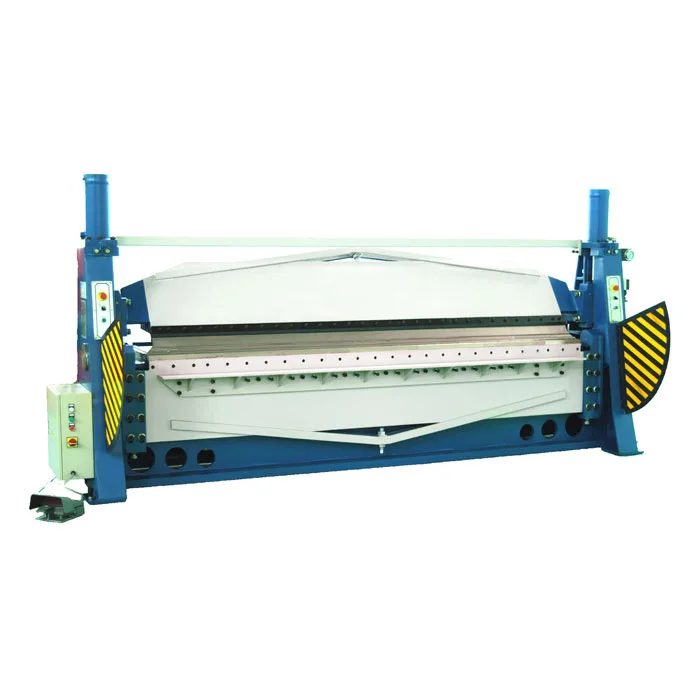
Metal Folding Machine: Comprehensive Guide to Precision Bending in 2024
2026/03/09 -
Sheet Metal Equipment: Ultimate Guide to Industrial Fabrication Solutions in 2026
2026/03/06
-
Latest Technological Advancements in Rectangular Duct Machines
2024/05/11 -
Integrating Automation with Rectangular Duct Machines for Enhanced Productivity
2024/05/11 -
Metal Shear Machines- Essential Tools for Precision Metal Cutting
2024/05/11 -
Understanding the Role and Function of Steel Strip Slitting Machines
2024/05/11
-
A Guide to the Latest Innovations in Sheet Metal Folding Machines
2024/11/29 -
Key Features to Consider When Investing in a Sheet Metal Folding Machine
2024/11/28 -
Enhancing Precision with Advanced Sheet Metal Folding Machines
2024/11/27 -
How to Choose the Right Sheet Metal Folding Machine for Your Workshop
2024/11/26
