

Hydraulic vs. Manual Sheet Bending Machines- Pros and Cons
Sheet bending machines are crucial equipment in sheet metal fabrication, enabling precise and efficient bending operations. While both hydraulic and manual sheet bending machines are widely used, each has its own advantages and disadvantages.
Types of Sheet Bending Machines
Hydraulic Sheet Bending Machines
Hydraulic sheet bending machines utilize hydraulic cylinders to generate force for bending sheet metal. They offer precise control over bending angles and pressure, making them suitable for complex bending tasks.
Manual Sheet Bending Machines
Manual sheet bending machines rely on manual force to bend sheet metal. They are typically used for small-scale or low-volume bending operations where precision is less critical.
Advantages and Disadvantages of Hydraulic Sheet Bending Machines
Advantages:
Precision:
Hydraulic machines provide exceptional precision, allowing for accurate and consistent bending angles.
Force Control:
The hydraulic system enables precise control over the bending force, preventing sheet metal damage or deformation.
Repeatability:
Hydraulic machines can repeat bending operations with high accuracy, making them ideal for mass production.
Safety:
They offer enhanced safety features, such as overload protection and emergency stop buttons.
Disadvantages:
Cost:
Hydraulic sheet bending machines are typically more expensive than manual machines.
Maintenance:
They require regular maintenance and hydraulic fluid replacement.
Size and Weight:
Hydraulic machines are larger and heavier than manual machines, requiring more installation space.
Advantages and Disadvantages of Manual Sheet Bending Machines
Advantages:
Affordability:
Manual machines are more affordable than hydraulic machines.
Simplicity:
They are easy to set up and operate, with minimal maintenance requirements.
Portability:
Manual machines are portable and can be easily moved to different work areas.
Compact:
Their compact size makes them suitable for small workshops or limited spaces.
Disadvantages:
Lower Precision:
Manual machines offer less precision in bending angles compared to hydraulic machines.
Physical Effort:
Bending operations require physical exertion, which can be challenging for large or thick sheet metal.
Limited Force:
Manual machines have limited bending force, restricting their use for thicker or harder sheet metal.
Safety Concerns:
Manual machines can pose safety risks if not handled properly.
Conclusion
The choice between hydraulic and manual sheet bending machines depends on the specific application and requirements. Hydraulic machines are ideal for high-precision, high-volume, and complex bending operations. Manual machines are suitable for small-scale, less precise, and budget-conscious applications. By carefully considering the advantages and disadvantages of each type, users can select the most appropriate machine for their particular needs.
-
Press Metal Machine: The Definitive Guide to Precision Metal Forming
2026/03/12 -
Metal Punching Machine: The Ultimate Guide to Precision Hole Punching
2026/03/10 -
Sheet Metal Machinery: The Ultimate Guide to Industrial Fabrication Excellence
2026/03/04 -
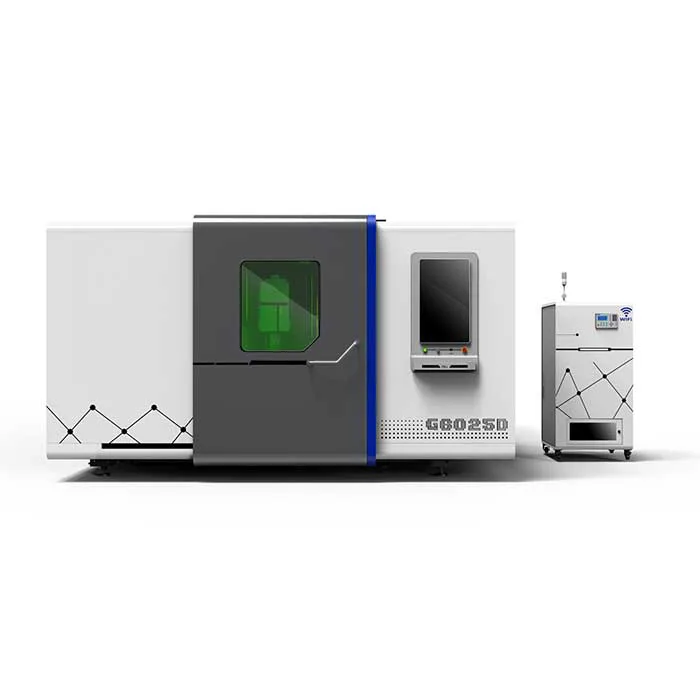
Iron Sheet Laser Cutting Machine: Unmatched Precision for Demanding Fabrication with METMAC
2026/01/06
-
Sheet Metal Press Brake: Ultimate Guide to Precision Bending Technology in 2024
2026/03/13 -
Metal Punching Machine: Ultimate Guide to Precision Manufacturing in 2024
2026/03/11 -
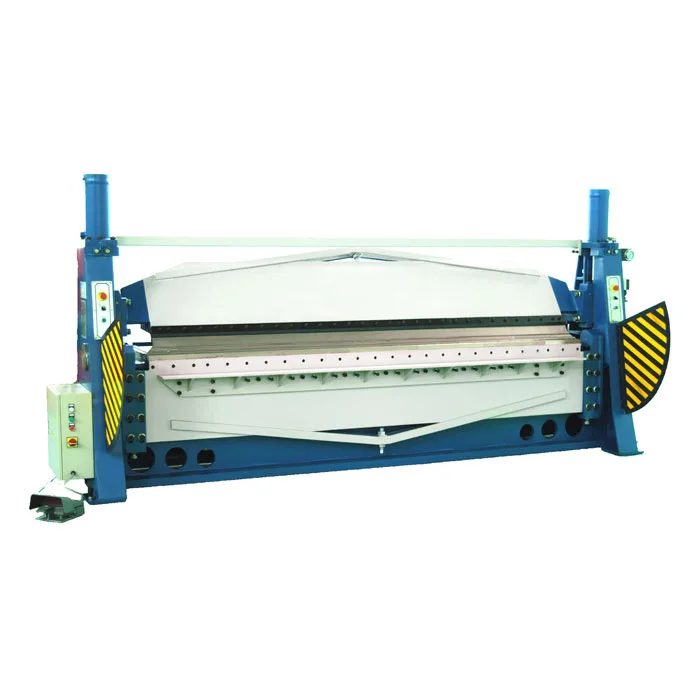
Metal Folding Machine: Comprehensive Guide to Precision Bending in 2024
2026/03/09 -
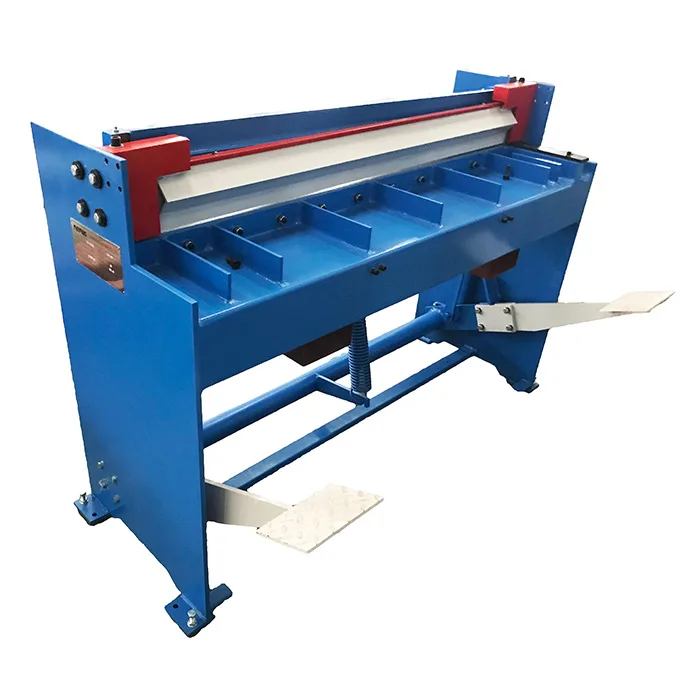
Sheet Metal Equipment: Ultimate Guide to Industrial Fabrication Solutions in 2026
2026/03/06
-
A Guide to the Latest Innovations in Sheet Metal Folding Machines
2024/11/29 -
Key Features to Consider When Investing in a Sheet Metal Folding Machine
2024/11/28 -
Enhancing Precision with Advanced Sheet Metal Folding Machines
2024/11/27 -
How to Choose the Right Sheet Metal Folding Machine for Your Workshop
2024/11/26
