


How to Integrate Profile Roll Forming Machines into Your Production Line
Profile roll forming machines, essential in industries ranging from automotive to construction, transform flat metal strips into complex shapes with precision and efficiency. Integrating these machines seamlessly into your production line maximizes productivity, reduces waste, and enhances product quality. This comprehensive guide will explore the key considerations and steps involved in successful profile roll forming machine integration.
Site Preparation
Begin by carefully selecting a suitable location for the machine. Ensure ample space for material handling, maintenance, and expansion potential. Prepare the site with adequate electrical power, compressed air, and other utilities as required. Proper zoning and safety regulations must also be adhered to.
Machine Selection
Choosing the right machine is crucial. Consider the desired product size, shape, and material properties. Explore various machine manufacturers and compare their capabilities, throughput rates, and reliability. Test samples to verify the machine’s ability to meet your specifications before making a decision.
Material Handling
Efficient material handling is essential for uninterrupted production. Implement automated systems for loading and unloading metal coils, transferring formed products, and managing scrap material. Consider using coil cars, conveyors, and automated guided vehicles to maximize efficiency and minimize downtime.
Roll Forming Process Control
Precise control of the roll forming process ensures consistent product quality. Install advanced sensors, monitors, and programmable logic controllers (PLCs) to manage variables such as roll pressure, speed, and temperature. Utilize real-time data and quality control measures to detect and correct any deviations from established parameters.
Quality Control
Establishing comprehensive quality control measures is vital. Implement inline inspection systems to automatically detect defects such as shape deviations, surface imperfections, or dimensional inaccuracies. Conduct regular audits and inspections to monitor product quality and identify areas for improvement. Traceability systems should be in place to track materials and products throughout the manufacturing process.
Maintenance and Troubleshooting
Regular maintenance and prompt troubleshooting are essential for maximizing uptime and preventing costly breakdowns. Develop a comprehensive maintenance schedule and train operators on proper machine handling and troubleshooting techniques. Spare parts and service support should be readily available to minimize downtime and ensure smooth production flow.
Safety Considerations
Safety is paramount in any production line. Implement proper guarding and lockout/tagout procedures to prevent accidents. Train operators on safe work practices and emergency protocols. Ensure adequate lighting, ventilation, and noise control measures are in place to create a safe and comfortable work environment.
Collaboration and Communication
Effective communication and collaboration between departments, from engineering to production and maintenance, are crucial for successful machine integration. Share design specifications, process parameters, and maintenance schedules to ensure alignment and prevent bottlenecks. Regular meetings and cross-functional teamwork foster knowledge sharing and problem-solving.
Continuous Improvement
Continuous improvement is key to maximizing productivity and reducing costs. Regularly review process data, identify areas for refinement, and explore new technologies or methods to improve machine performance and product quality. Encourage feedback from operators and engineers to optimize the production line continuously.
-
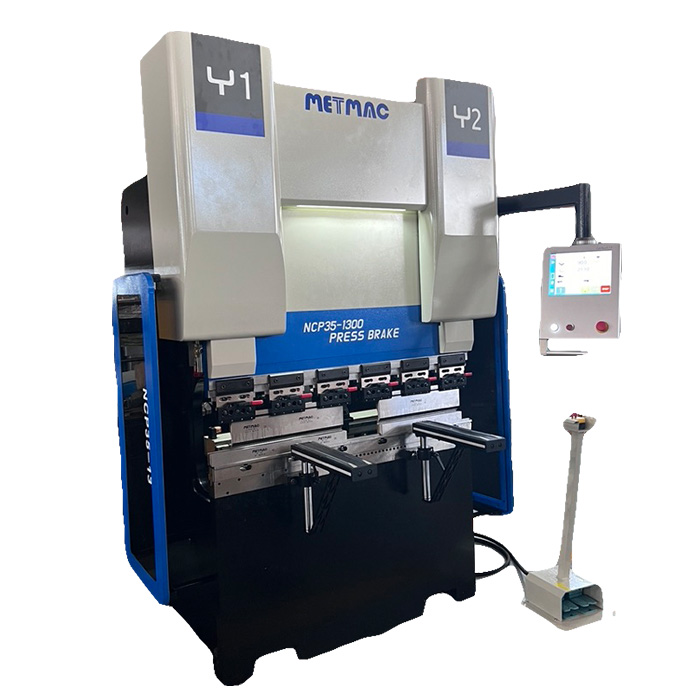
Press Metal Machine: The Definitive Guide to Precision Metal Forming
2026/03/12 -
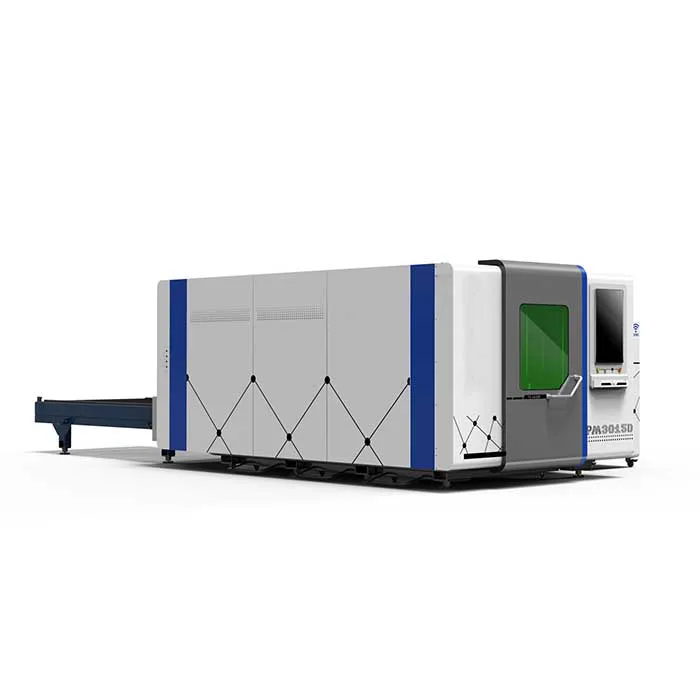
Metal Punching Machine: The Ultimate Guide to Precision Hole Punching
2026/03/10 -
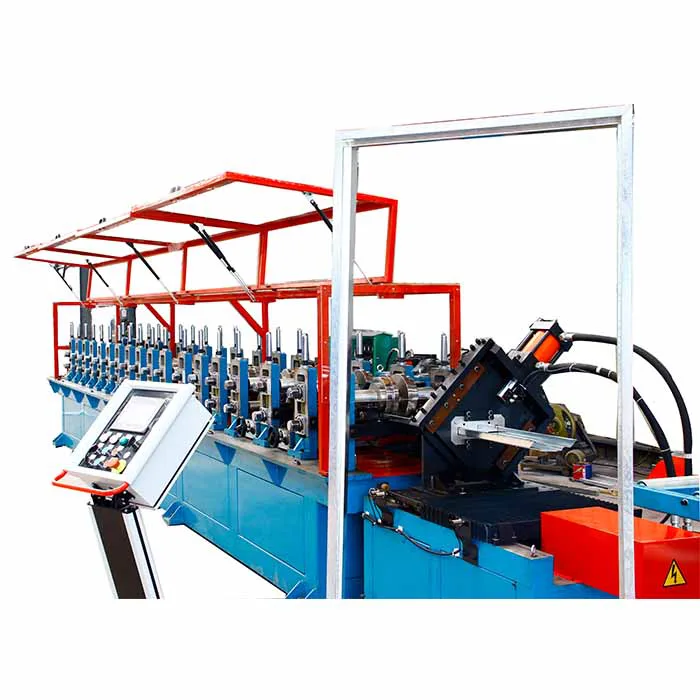
Sheet Metal Machinery: The Ultimate Guide to Industrial Fabrication Excellence
2026/03/04 -
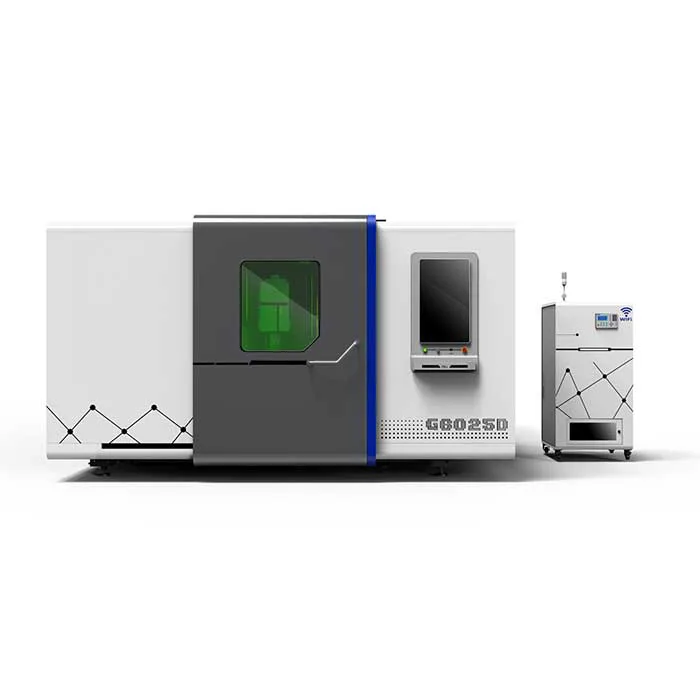
Iron Sheet Laser Cutting Machine: Unmatched Precision for Demanding Fabrication with METMAC
2026/01/06
-
Sheet Metal Press Brake: Ultimate Guide to Precision Bending Technology in 2024
2026/03/13 -
Metal Punching Machine: Ultimate Guide to Precision Manufacturing in 2024
2026/03/11 -
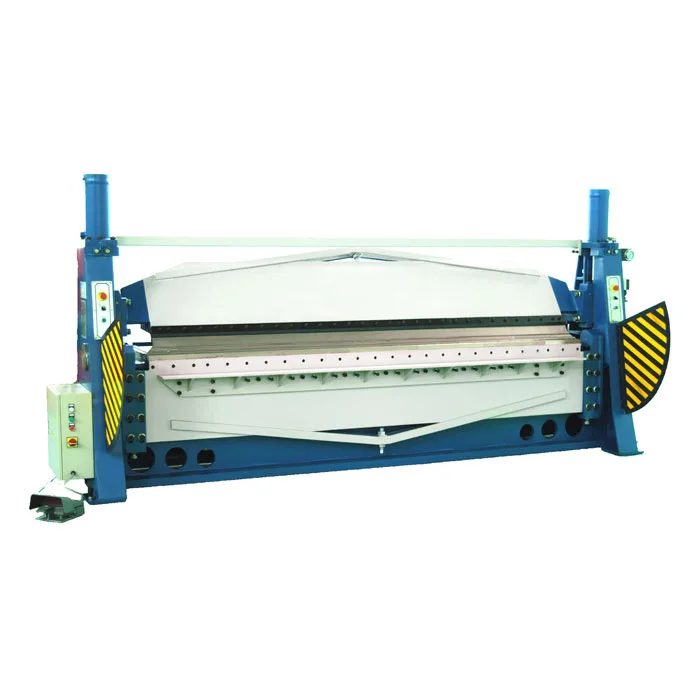
Metal Folding Machine: Comprehensive Guide to Precision Bending in 2024
2026/03/09 -
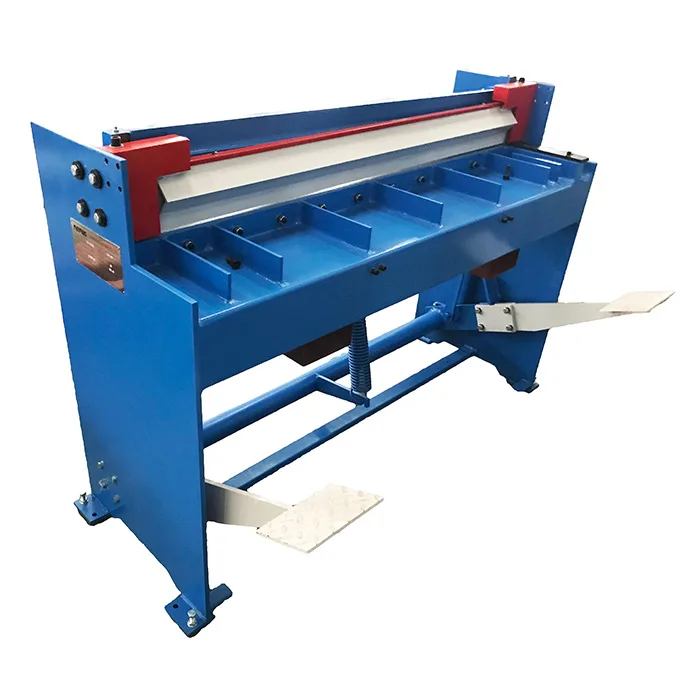
Sheet Metal Equipment: Ultimate Guide to Industrial Fabrication Solutions in 2026
2026/03/06
-
Latest Technological Advancements in Rectangular Duct Machines
2024/05/11 -
Integrating Automation with Rectangular Duct Machines for Enhanced Productivity
2024/05/11 -
Metal Shear Machines- Essential Tools for Precision Metal Cutting
2024/05/11 -
Understanding the Role and Function of Steel Strip Slitting Machines
2024/05/11
-
A Guide to the Latest Innovations in Sheet Metal Folding Machines
2024/11/29 -
Key Features to Consider When Investing in a Sheet Metal Folding Machine
2024/11/28 -
Enhancing Precision with Advanced Sheet Metal Folding Machines
2024/11/27 -
How to Choose the Right Sheet Metal Folding Machine for Your Workshop
2024/11/26
