

How to Integrate Metal Plate Bending Machines with Other Production Equipment
Harness the Synergy: Unlock Seamless Integration for Enhanced Efficiency
In today’s competitive manufacturing landscape, optimizing production processes and maximizing efficiency is crucial. Metal plate bending machines play a vital role in shaping and forming sheet metal components, but their integration with other production equipment can unlock a new level of productivity and seamless workflow. Here’s a step-by-step guide to help you achieve seamless integration:
1. Map the Production Process:
Thoroughly analyze your production line and identify the equipment involved, their sequence, and the data flow required between them. Understanding the big picture will guide seamless integration decisions.
2. Choose Compatible Equipment:
Opt for metal plate bending machines that offer connectivity options compatible with your existing equipment. This ensures seamless communication and data exchange.
3. Define Communication Protocols:
Establish clear communication protocols between the metal plate bending machine and other equipment. This involves selecting suitable communication channels (e.g., Ethernet, RS-232) and setting parameters for data transfer (e.g., data format, frequency).
4. Data Standardization:
Ensure that all participating equipment uses the same data format and structure. This eliminates the need for complex data conversion processes, saving time and reducing errors.
5. Leverage Software Integration:
Utilize software platforms designed to integrate different production equipment. These platforms provide central control and data management, enabling automated data flow and process optimization.
6. Commission and Test:
Once integrated, thoroughly commission and test the system to ensure proper functionality and performance. Identify potential issues early on and make necessary adjustments.
7. Continuously Monitor and Optimize:
Monitor the integrated system’s performance regularly and make data-driven optimizations to improve efficiency. Seek feedback from operators and make necessary modifications to ensure ongoing alignment with production goals.
Integrating metal plate bending machines with other production equipment can transform your manufacturing process by streamlining workflows, reducing errors, and increasing throughput. By following these steps, you can unlock the full potential of your production line and achieve greater success in the competitive manufacturing landscape.
-
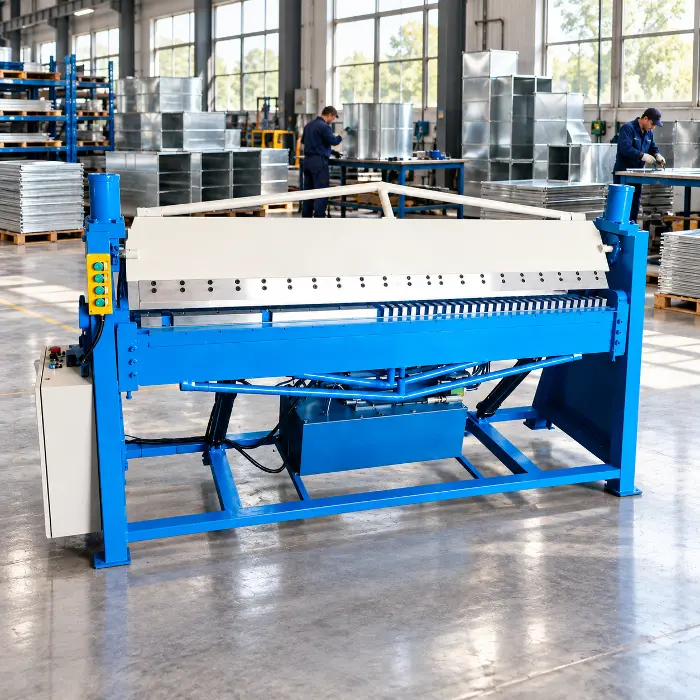
Choosing HVAC Duct Folding Machines for Flange-Safe Bending
2026/10/13 -
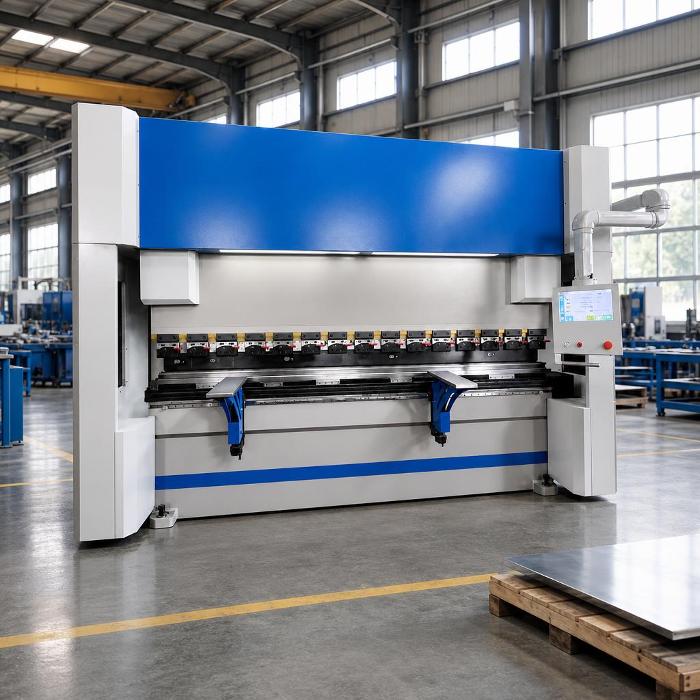
Precision Metal Forming Machines: What Separates Accurate Bends From Scrapped Sheet
2026/10/12 -
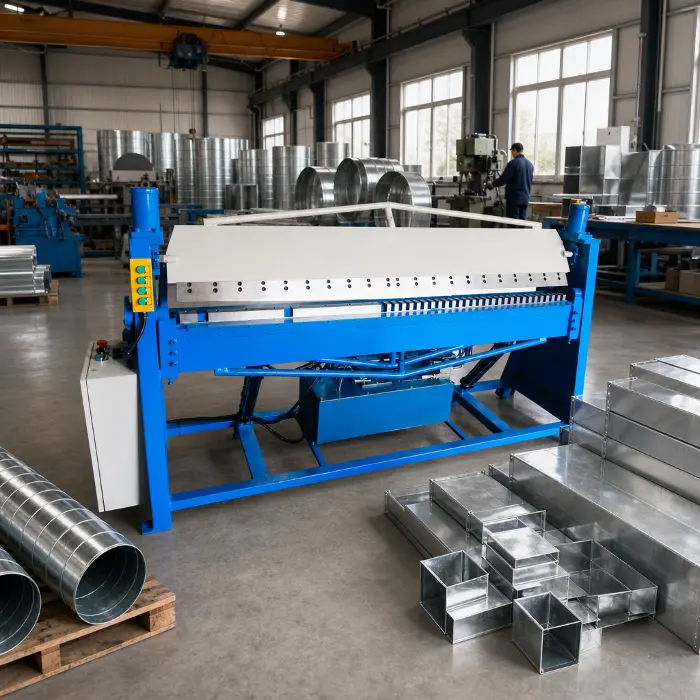
What to Look for in an HVAC Folding Machine Manufacturer
2026/10/11 -
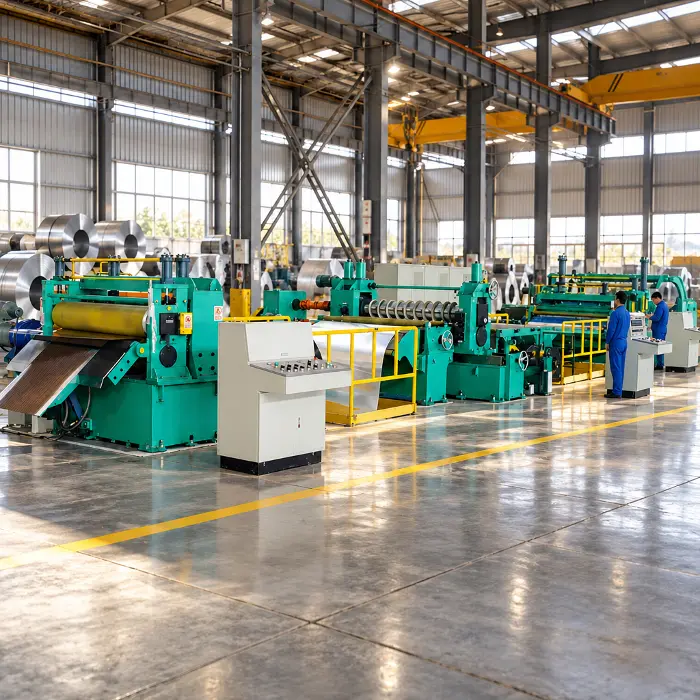
Steel Strip Cutting Machine: Engineering Precision in Modern Metal Processing
2026/10/10
-
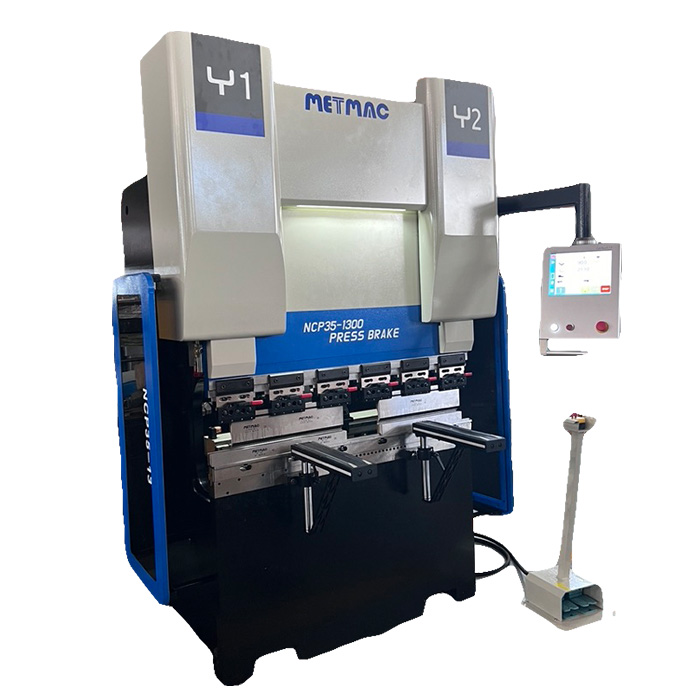
Sheet Metal Press Brake: Ultimate Guide to Precision Bending Technology in 2024
2026/03/13 -
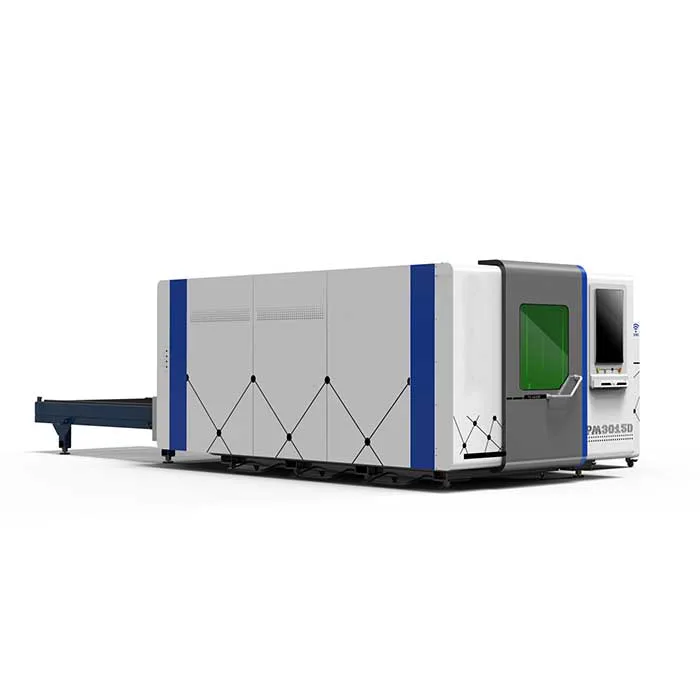
Metal Punching Machine: Ultimate Guide to Precision Manufacturing in 2024
2026/03/11 -
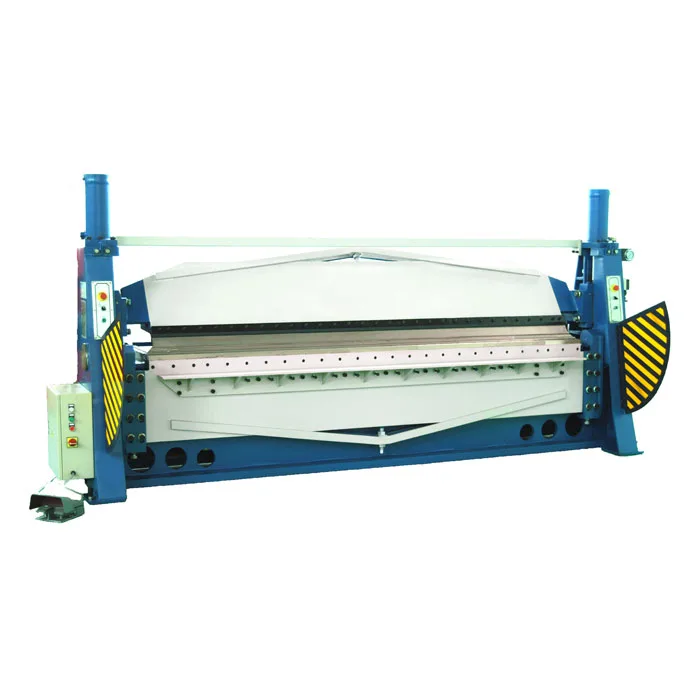
Metal Folding Machine: Comprehensive Guide to Precision Bending in 2024
2026/03/09 -
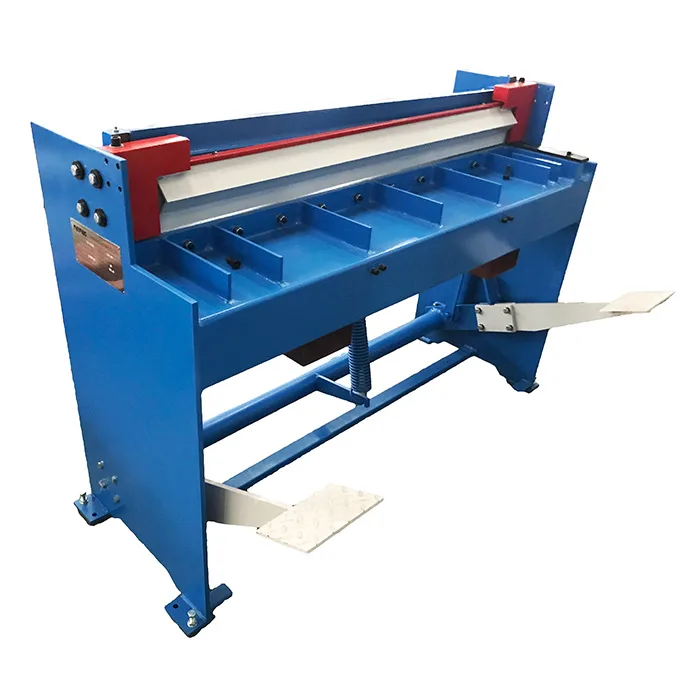
Sheet Metal Equipment: Ultimate Guide to Industrial Fabrication Solutions in 2026
2026/03/06
-
Latest Technological Advancements in Rectangular Duct Machines
2024/05/11 -
Integrating Automation with Rectangular Duct Machines for Enhanced Productivity
2024/05/11 -
Metal Shear Machines- Essential Tools for Precision Metal Cutting
2024/05/11 -
Understanding the Role and Function of Steel Strip Slitting Machines
2024/05/11
-
A Guide to the Latest Innovations in Sheet Metal Folding Machines
2024/11/29 -
Key Features to Consider When Investing in a Sheet Metal Folding Machine
2024/11/28 -
Enhancing Precision with Advanced Sheet Metal Folding Machines
2024/11/27 -
How to Choose the Right Sheet Metal Folding Machine for Your Workshop
2024/11/26
