

How to Choose the Right Sheet Metal Rolling Machine for Your Material Specifications
In the realm of metalworking, where precision and efficiency meet, the sheet metal rolling machine reigns supreme. It’s the master of transforming flat metal sheets into intricate shapes, paving the way for countless applications in industries ranging from aerospace to automotive. Navigating the labyrinth of sheet metal rolling machines can be a daunting task, especially when faced with a bewildering array of specifications.
Step 1: Material Considerations
The first step in selecting the right machine is understanding your material’s intricacies. Consider the thickness, hardness, and surface characteristics of the sheet metal you’ll be working with. Different materials require varying amounts of force and precision to achieve the desired shape, so it’s crucial to match the machine’s capabilities to your material’s demands.
Step 2: Capacity and Roll Type
Capacity refers to the maximum thickness and width of the sheet metal that the machine can handle. Choose a machine with ample capacity to accommodate your current and future projects. Roll type also plays a significant role. Some machines feature three or four rolls, while others have a pyramid configuration. The number and arrangement of rolls influence the type of bends and the radius of curvature achievable.
Step 3: Drive Mechanism
The drive mechanism determines how the machine operates. Manual machines rely on human power, while power-driven machines use an electric motor or hydraulic system. Power-driven machines offer greater ease of use and speed, making them ideal for large-scale operations or where consistent accuracy is paramount.
Step 4: Additional Features
Look for machines that offer additional features to enhance functionality and productivity. These may include:
Digital readouts: For precise control of roll position and bending angle.
Adjustable speed: To fine-tune machine speed for different materials and thicknesses.
Tapering capabilities: For creating cone-shaped rolls.
Safety guards: To protect operators from potential hazards.
Choosing the right sheet metal rolling machine is a critical decision that can significantly impact your workflow and end results. By carefully aligning the machine’s specifications with your material requirements, you can unlock a world of possibilities for your metalworking endeavors. Embrace the power of precision and efficiency, and transform your sheet metal projects into stunning masterpieces.
-
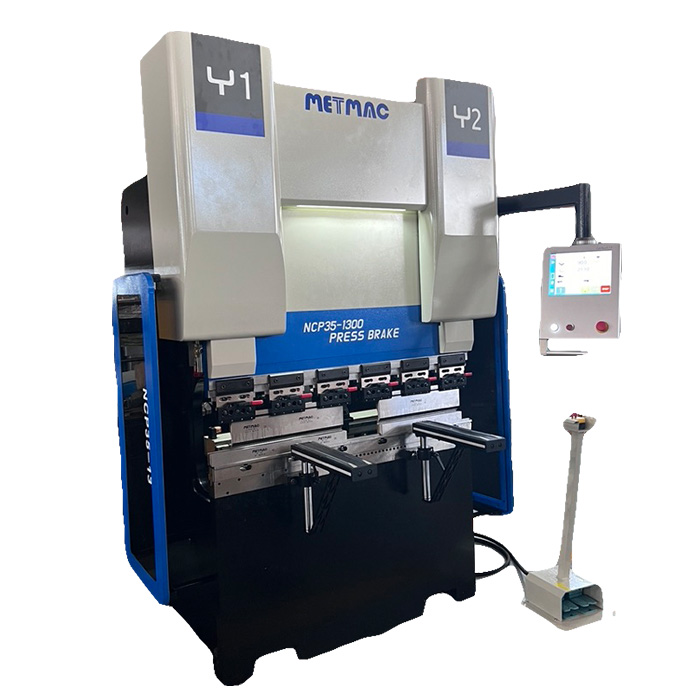
Press Metal Machine: The Definitive Guide to Precision Metal Forming
2026/03/12 -
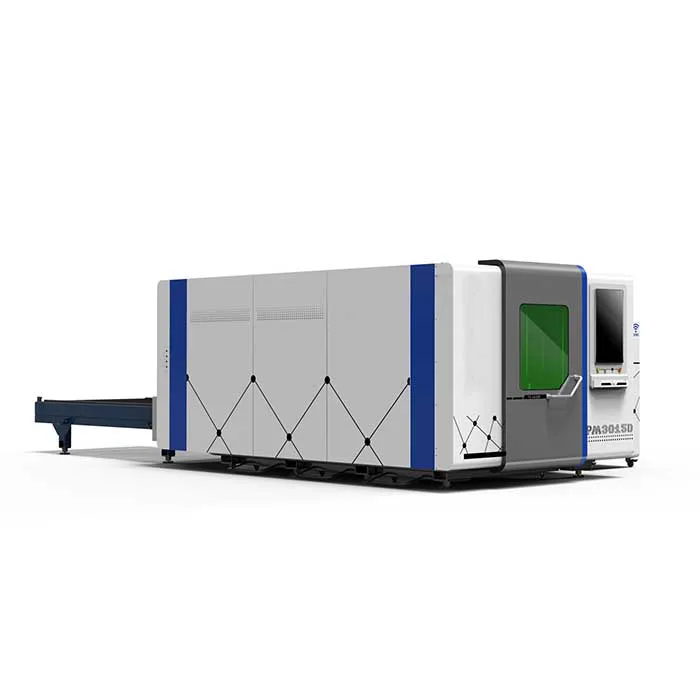
Metal Punching Machine: The Ultimate Guide to Precision Hole Punching
2026/03/10 -
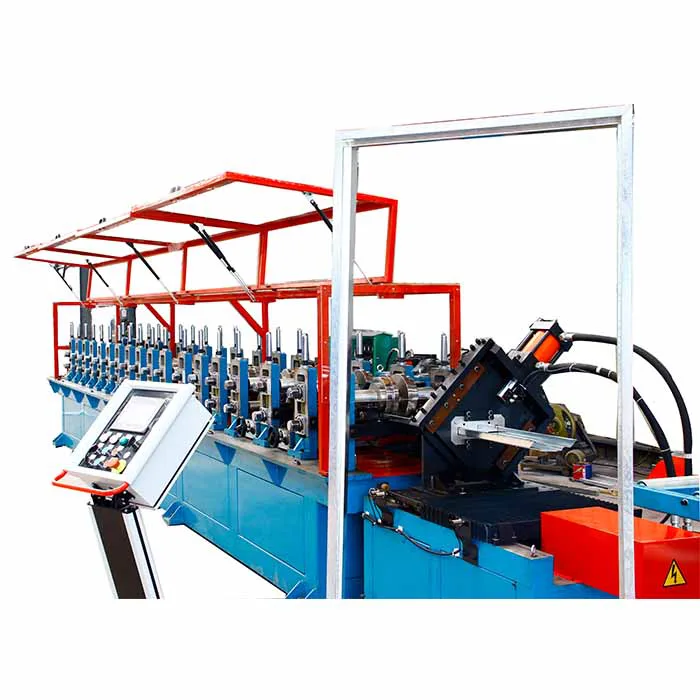
Sheet Metal Machinery: The Ultimate Guide to Industrial Fabrication Excellence
2026/03/04 -
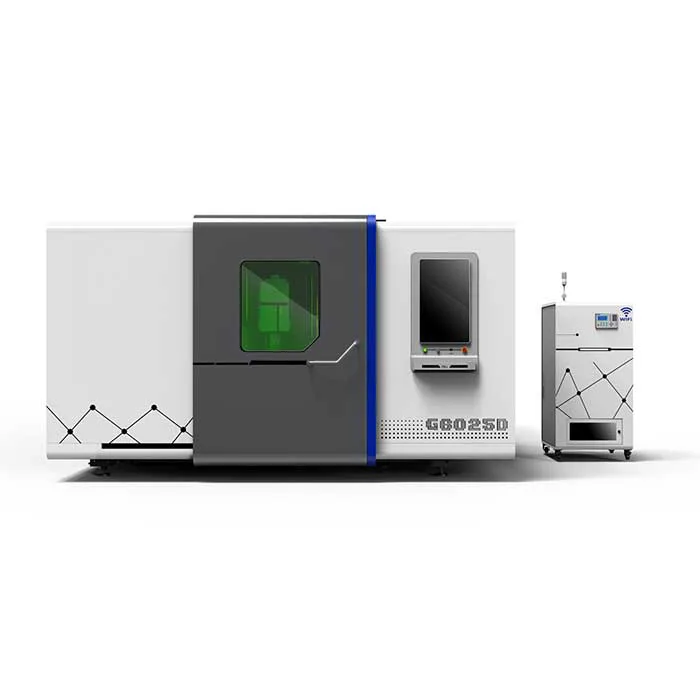
Iron Sheet Laser Cutting Machine: Unmatched Precision for Demanding Fabrication with METMAC
2026/01/06
-
Sheet Metal Press Brake: Ultimate Guide to Precision Bending Technology in 2024
2026/03/13 -
Metal Punching Machine: Ultimate Guide to Precision Manufacturing in 2024
2026/03/11 -
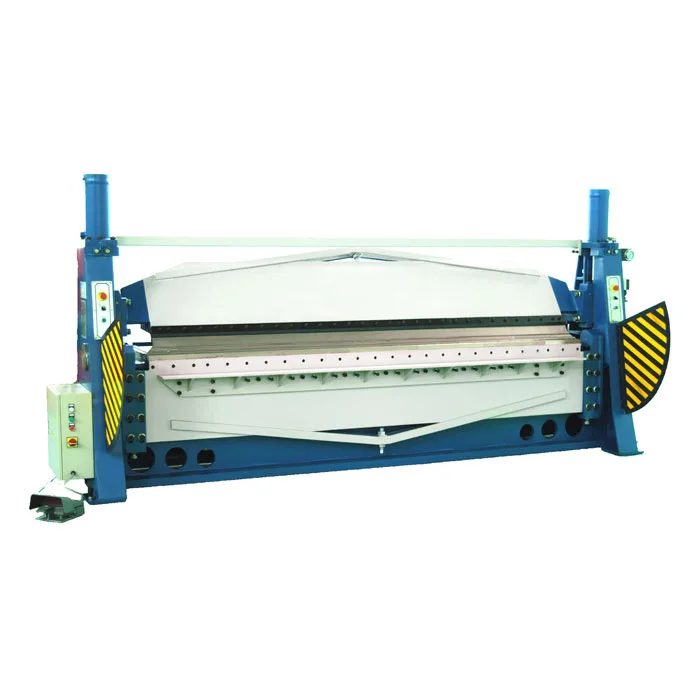
Metal Folding Machine: Comprehensive Guide to Precision Bending in 2024
2026/03/09 -
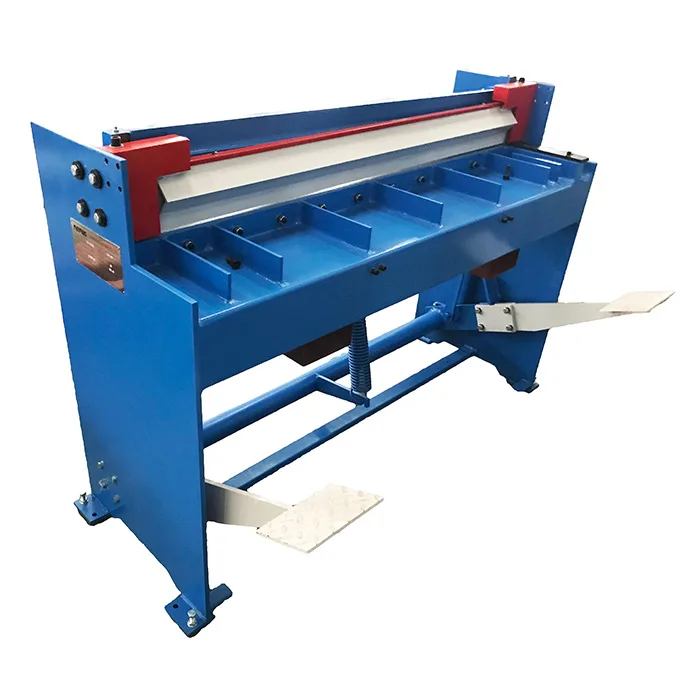
Sheet Metal Equipment: Ultimate Guide to Industrial Fabrication Solutions in 2026
2026/03/06
-
Understanding the Role and Function of Steel Strip Slitting Machines
2024/05/11 -
Maintenance Tips for Longevity of HVAC Duct Machines
2024/05/11 -
Innovations in Steel Strip Slitting Machine Design and Technology
2024/05/11 -
Improving Accuracy in Metal Fabrication with Laser Metal Shear Machines
2024/05/11
-
A Guide to the Latest Innovations in Sheet Metal Folding Machines
2024/11/29 -
Key Features to Consider When Investing in a Sheet Metal Folding Machine
2024/11/28 -
Enhancing Precision with Advanced Sheet Metal Folding Machines
2024/11/27 -
How to Choose the Right Sheet Metal Folding Machine for Your Workshop
2024/11/26
