


How to Bend Different Materials with a Plate Bender Machine
In the realm of metalworking, the mastery of bending various materials holds immense significance. Plate benders, with their formidable power and precision, have emerged as indispensable tools in this intricate art. By understanding the capabilities and techniques involved, artisans can harness the versatility of these machines to shape metal sheets and plates into intricate forms.
Types and Applications of Plate Benders
Plate benders come in a diverse range of types, each designed for specific material thicknesses and bending applications. Press brakes, for instance, excel at bending thicker sheets with high accuracy. Roll benders, on the other hand, provide continuous bending over longer lengths. Specialized benders, such as pyramid benders, cater to unique shapes and complex curves.
Material Considerations
The choice of plate bender depends on the material being bent. Here are some key factors to consider:
Mild steel: The most common material for bending, mild steel is relatively easy to work with and offers good bendability.
Stainless steel: Harder and more resistant to corrosion than mild steel, stainless steel requires higher bending forces.
Aluminum: Lightweight and ductile, aluminum boasts excellent bendability but can crease if overbent.
Brass and copper: These non-ferrous metals are highly malleable, allowing for intricate bends.
Plastics: Some plate benders can accommodate plastic sheets, providing versatility in non-metallic materials.
Bending Techniques
Once the appropriate plate bender is selected, the bending process involves several crucial steps:
Preparation: Clamp the sheet securely, ensuring proper alignment and support.
Bending: Apply pressure to the sheet with the bender’s punch or die, gradually forming the desired bend angle.
Finishing: Remove the sheet and inspect the bend for accuracy and deformation.
Safety Precautions
Operating plate benders requires meticulous attention to safety:
Wear proper personal protective equipment, including gloves, goggles, and earplugs.
Ensure that the machine is well-maintained and calibrated.
Never place hands or fingers in the bending area during operation.
Conclusion
Mastering the art of bending different materials with a plate bender machine empowers artisans to create intricate designs and functional components. By understanding the types, material considerations, and safety precautions involved, metalworkers can harness the power of these remarkable machines to transform sheets and plates into tailored masterpieces.
-
Press Metal Machine: The Definitive Guide to Precision Metal Forming
2026/03/12 -
Metal Punching Machine: The Ultimate Guide to Precision Hole Punching
2026/03/10 -
Sheet Metal Machinery: The Ultimate Guide to Industrial Fabrication Excellence
2026/03/04 -
Iron Sheet Laser Cutting Machine: Unmatched Precision for Demanding Fabrication with METMAC
2026/01/06
-
Sheet Metal Press Brake: Ultimate Guide to Precision Bending Technology in 2024
2026/03/13 -
Metal Punching Machine: Ultimate Guide to Precision Manufacturing in 2024
2026/03/11 -
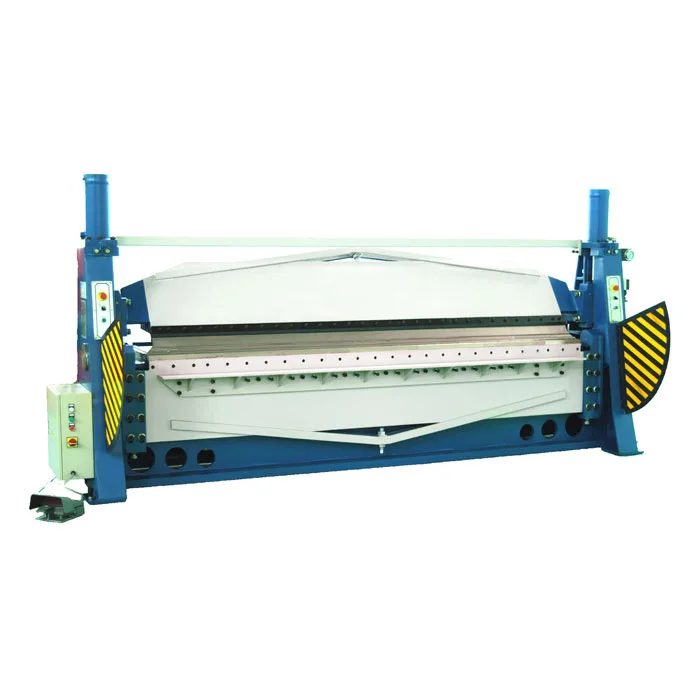
Metal Folding Machine: Comprehensive Guide to Precision Bending in 2024
2026/03/09 -
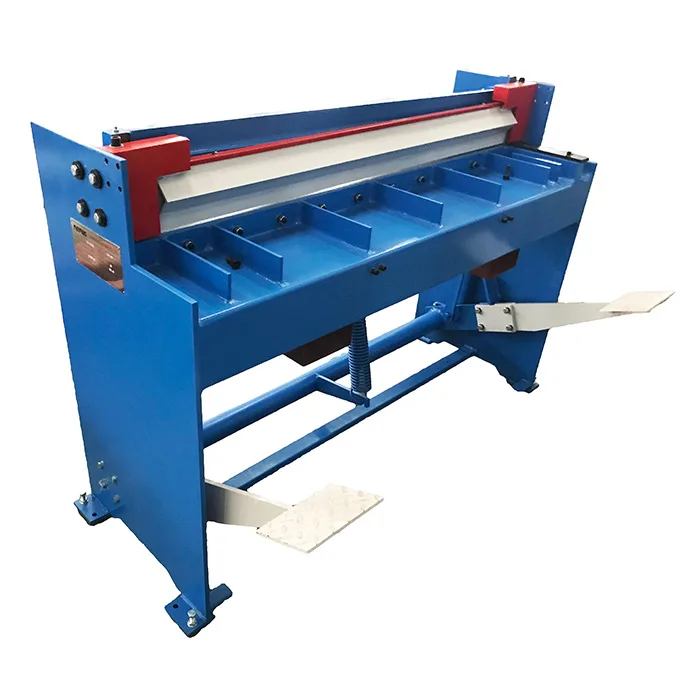
Sheet Metal Equipment: Ultimate Guide to Industrial Fabrication Solutions in 2026
2026/03/06
-
Integrating Automation with Rectangular Duct Machines for Enhanced Productivity
2024/05/11 -
Metal Shear Machines- Essential Tools for Precision Metal Cutting
2024/05/11 -
Understanding the Role and Function of Steel Strip Slitting Machines
2024/05/11 -
Maintenance Tips for Longevity of HVAC Duct Machines
2024/05/11
-
A Guide to the Latest Innovations in Sheet Metal Folding Machines
2024/11/29 -
Key Features to Consider When Investing in a Sheet Metal Folding Machine
2024/11/28 -
Enhancing Precision with Advanced Sheet Metal Folding Machines
2024/11/27 -
How to Choose the Right Sheet Metal Folding Machine for Your Workshop
2024/11/26
