


How to Achieve Precision with Steel Sheet Forming Machines
Steel sheet forming machines are essential tools in industries ranging from automotive to construction. They enable manufacturers to shape steel sheets into complex components with high levels of accuracy and repeatability. Achieving precision with these machines requires careful attention to various factors, including machine setup, tooling selection, and material properties. This article explores the key aspects of achieving precision with steel sheet forming machines in detail.
Understanding Machine Setup
Precision in steel sheet forming begins with proper machine setup. This includes ensuring:
– Alignment: The machine should be leveled and aligned to minimize any deviation in sheet movement.
– Tooling Alignment: The tooling, including punches and dies, must be precisely aligned to ensure consistent results.
– Clamp Force: The clamping force should be properly adjusted to hold the sheet firmly without causing distortion.
– Lubrication: Proper lubrication reduces friction and minimizes wear, ensuring precise forming.
Selecting the Right Tooling
The choice of tooling plays a crucial role in achieving precision. Considerations include:
– Material: The punch and die materials should withstand the forming process and maintain their shape over time.
– Geometry: The shape of the tooling should match the desired contours of the formed sheet.
– Clearance: The clearance between the punch and die must be adjusted to allow for material flow while preventing tearing or wrinkling.
– Tool Life: The tooling should have a long life span to minimize downtime and maintain consistent precision.
Material Properties and Preparation
The properties of the steel sheet can also impact precision. Key considerations are:
– Thickness: Thinner sheets are more difficult to form precisely, as they are more susceptible to bending.
– Tensile Strength: Higher tensile strength materials require greater force to form, which can affect precision.
– Formability: Sheets with better formability are more easily shaped without tearing or cracking.
– Surface Finish: A clean and smooth surface finish reduces friction and improves precision.
Process Parameters and Optimization
The forming process itself also requires careful control to ensure precision:
– Forming Speed: The speed at which the sheet is formed can affect the accuracy of the shape and surface finish.
– Hold Time: The time spent at the forming bottom dead center allows the material to completely flow into the die and achieve the desired shape.
– Post-Forming Treatment: Secondary operations, such as annealing or heat treatment, can improve the precision and strength of the formed component.
Monitoring and Inspection
Continuous monitoring and inspection are essential to maintain precision over time:
– In-Process Monitoring: Sensors and gauges can monitor forming parameters to ensure they remain within specified limits.
– Visual Inspection: Human operators can visually inspect formed parts for defects or inconsistencies.
– Dimensional Measurement: Precision measurement tools, such as coordinate measuring machines, can be used to verify the accuracy of the formed components.
By following these guidelines, manufacturers can achieve high levels of precision with steel sheet forming machines. Proper setup, tooling selection, material preparation, process optimization, and monitoring ensure that formed components meet the required specifications and perform as intended.
-
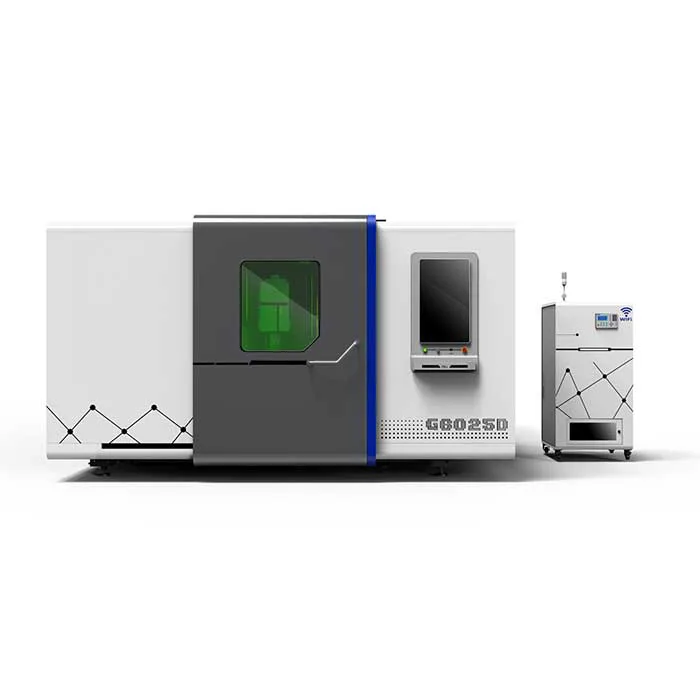
Iron Sheet Laser Cutting Machine: Unmatched Precision for Demanding Fabrication with METMAC
2026/01/06 -
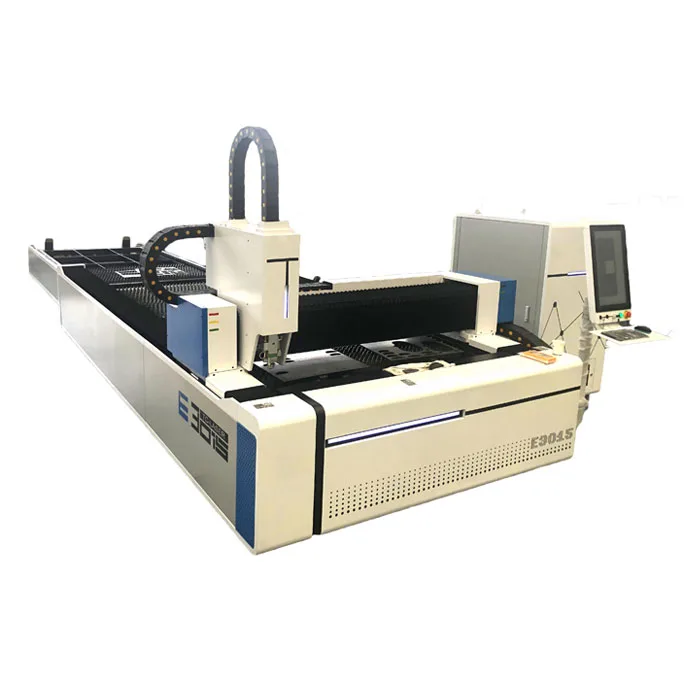
Precision Metal Cutting Machine: The Engine of Modern Manufacturing, Powered by METMAC
2026/01/06 -
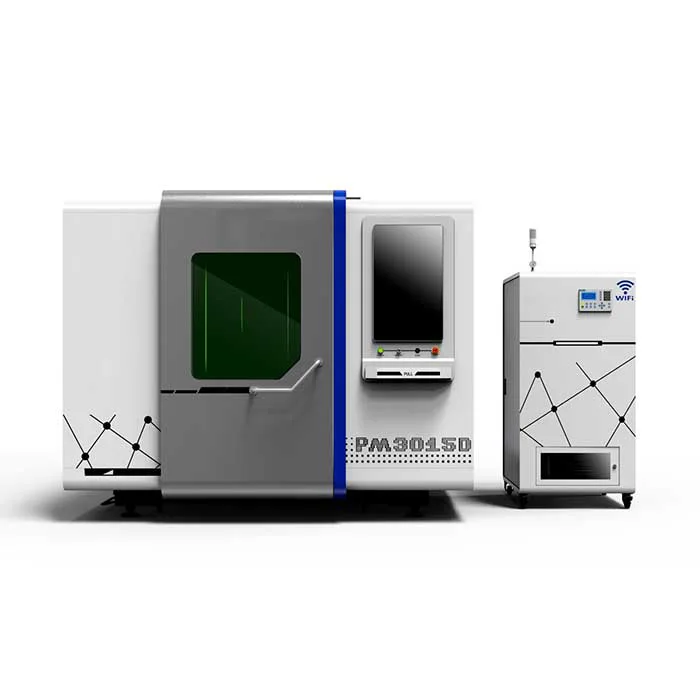
Sheet Metal CNC Laser Cutting Machine: Precision Redefined with METMAC Technology
2026/01/06 -
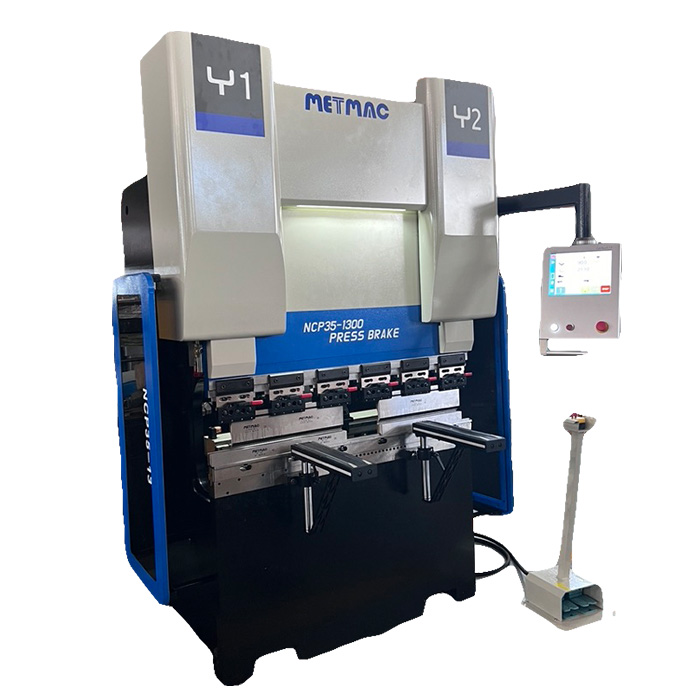
Sheet Metal Press Brake for Sale: Find Your Precision Bending Solution with METMAC
2026/01/06
-
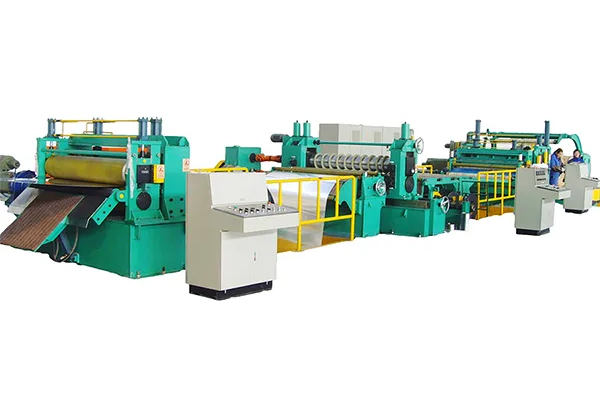
Advanced Sheet Metal Rolling, Laser Cutting, and Folding Machines for Precision Fabrication
2025/10/31 -
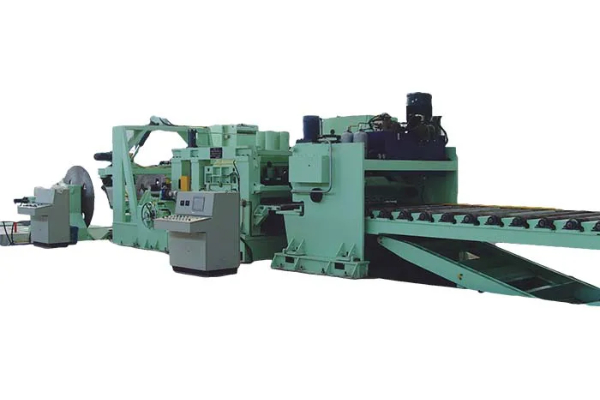
High-Performance Sheet Metal Bending and Cutting Machines for Modern Fabrication
2025/10/31 -
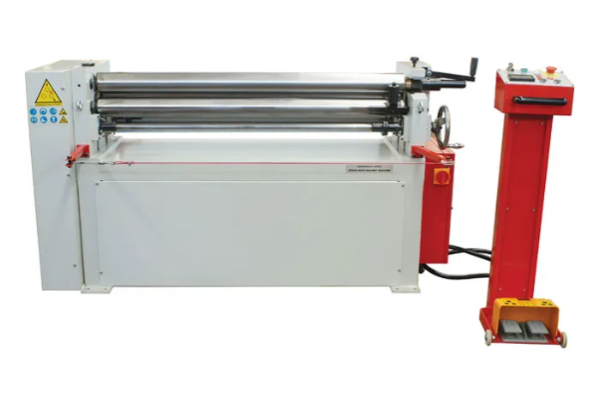
High-Quality Sheet Metal Equipment for Sale: Efficient Solutions for Modern Manufacturing
2025/10/31 -
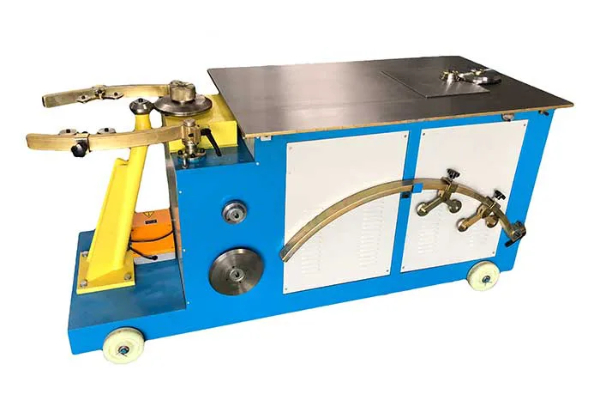
High-Performance Sheet Metal Equipment for Sale: Forming and Shearing Solutions for Modern Fabrication
2025/10/22
-
Understanding the Role and Function of Steel Strip Slitting Machines
2024/05/11 -
Maintenance Tips for Longevity of HVAC Duct Machines
2024/05/11 -
Innovations in Steel Strip Slitting Machine Design and Technology
2024/05/11 -
Improving Accuracy in Metal Fabrication with Laser Metal Shear Machines
2024/05/11
-
A Guide to the Latest Innovations in Sheet Metal Folding Machines
2024/11/29 -
Key Features to Consider When Investing in a Sheet Metal Folding Machine
2024/11/28 -
Enhancing Precision with Advanced Sheet Metal Folding Machines
2024/11/27 -
How to Choose the Right Sheet Metal Folding Machine for Your Workshop
2024/11/26
