

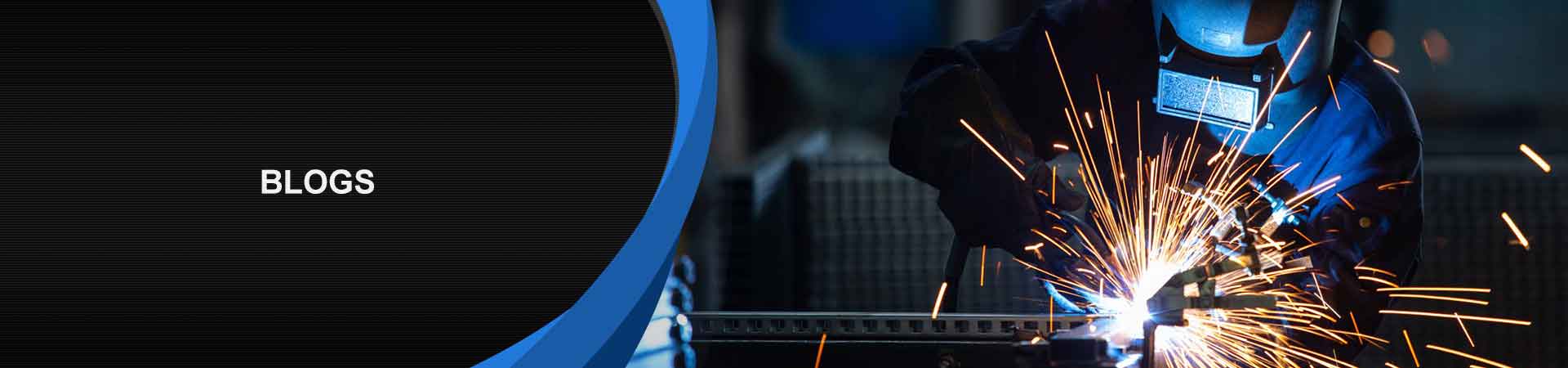
How Fiber Laser Cutting Machines Handle Different Materials
Fiber laser cutting machines have revolutionized the manufacturing industry due to their exceptional precision, speed, and versatility. They can process a wide range of materials, from thin sheet metal to thick steel plates. Understanding how these machines handle different materials is crucial for optimizing their performance and ensuring the best possible results. This article delves into the specific techniques and considerations involved in laser cutting different materials, providing insights into the machine’s capabilities and limitations.
Thin Sheet Metal
Fiber laser cutting machines excel at cutting thin sheet metal, typically ranging from 0.5mm to 6mm in thickness. The high power density of the laser vaporizes the material, creating a narrow kerf with minimal distortion. The process is fast and precise, allowing for intricate cuts and high-volume production. Common materials processed include stainless steel, aluminum, brass, and mild steel.
Thick Steel Plates
Fiber lasers can also handle thicker steel plates, up to 25mm in thickness. In this case, the cutting process requires more power and a slower cutting speed to ensure a clean cut without excessive heat buildup. The laser melts the material before blowing it away with assist gas, producing a wider kerf. Careful attention is paid to heat management to prevent warping and distortion.
Reflective Materials
Reflective materials, such as copper and aluminum, pose a challenge for fiber lasers. The high reflectivity of these materials can cause the laser beam to bounce off, resulting in poor cutting performance. To overcome this, specialized cutting techniques are employed, such as using higher power lasers or employing fiber lasers with specific wavelength optimizations.
Non-Metallic Materials
Fiber laser cutting machines can also process certain non-metallic materials, such as acrylic, wood, and textiles. The laser beam interacts with these materials differently, requiring adjustments in cutting parameters. For instance, acrylic cutting requires a lower laser power and higher cutting speed to prevent melting and charring.
Conclusion
Fiber laser cutting machines offer exceptional versatility in handling different materials. By tailoring cutting parameters and techniques to specific material properties, manufacturers can achieve optimal results for a wide range of applications. Understanding how these machines handle different materials empowers users to maximize productivity, ensure precision, and minimize waste.
-
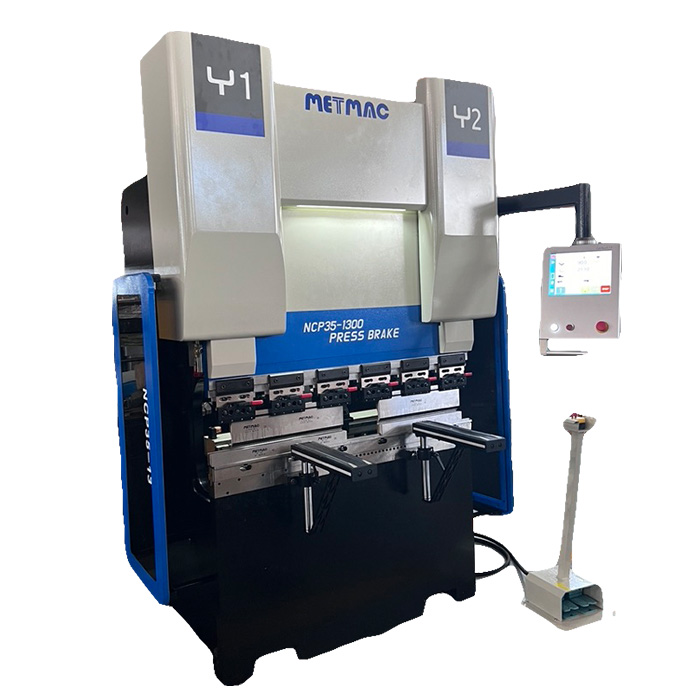
Press Metal Machine: The Definitive Guide to Precision Metal Forming
2026/03/12 -
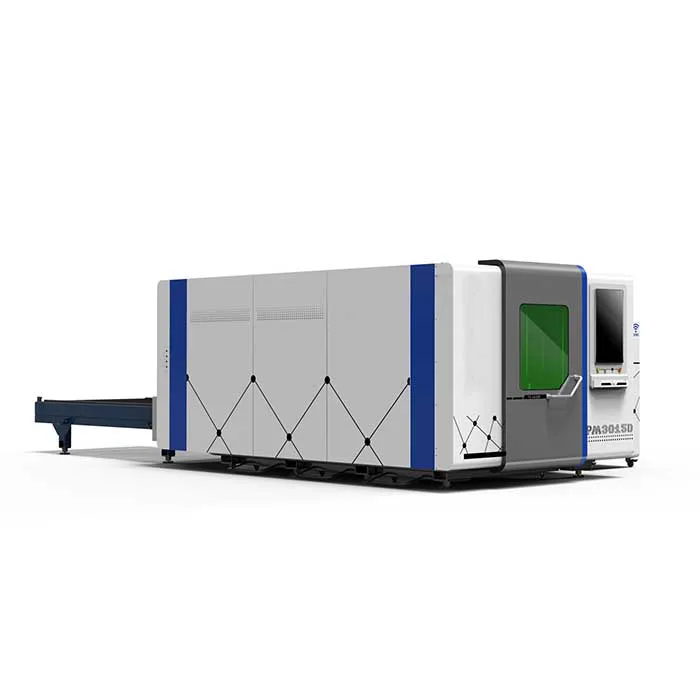
Metal Punching Machine: The Ultimate Guide to Precision Hole Punching
2026/03/10 -
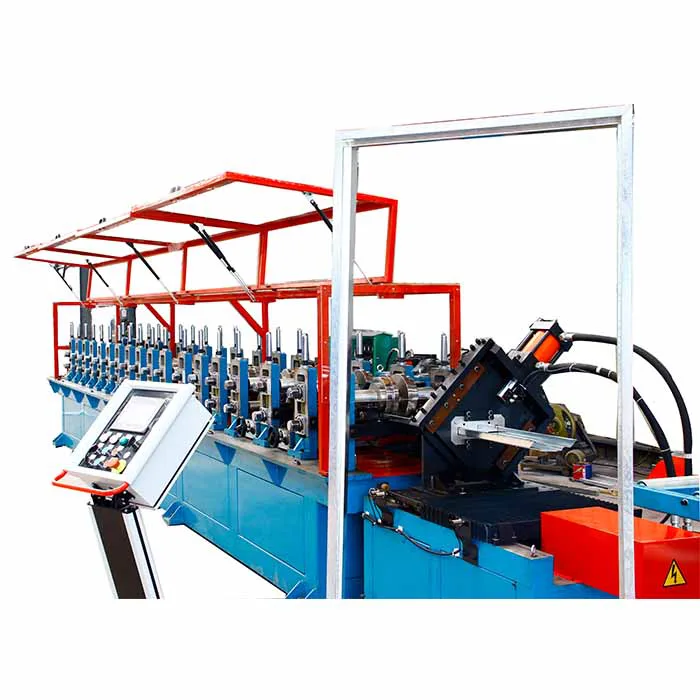
Sheet Metal Machinery: The Ultimate Guide to Industrial Fabrication Excellence
2026/03/04 -
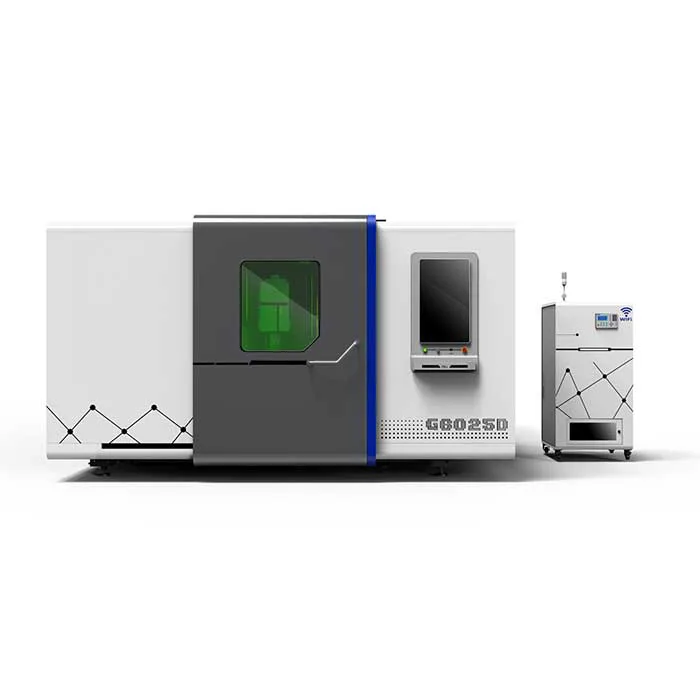
Iron Sheet Laser Cutting Machine: Unmatched Precision for Demanding Fabrication with METMAC
2026/01/06
-
Sheet Metal Press Brake: Ultimate Guide to Precision Bending Technology in 2024
2026/03/13 -
Metal Punching Machine: Ultimate Guide to Precision Manufacturing in 2024
2026/03/11 -
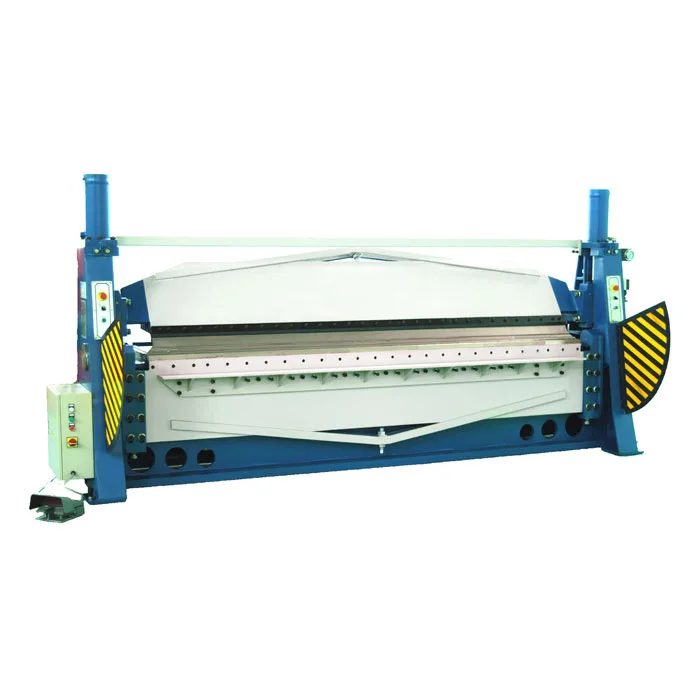
Metal Folding Machine: Comprehensive Guide to Precision Bending in 2024
2026/03/09 -
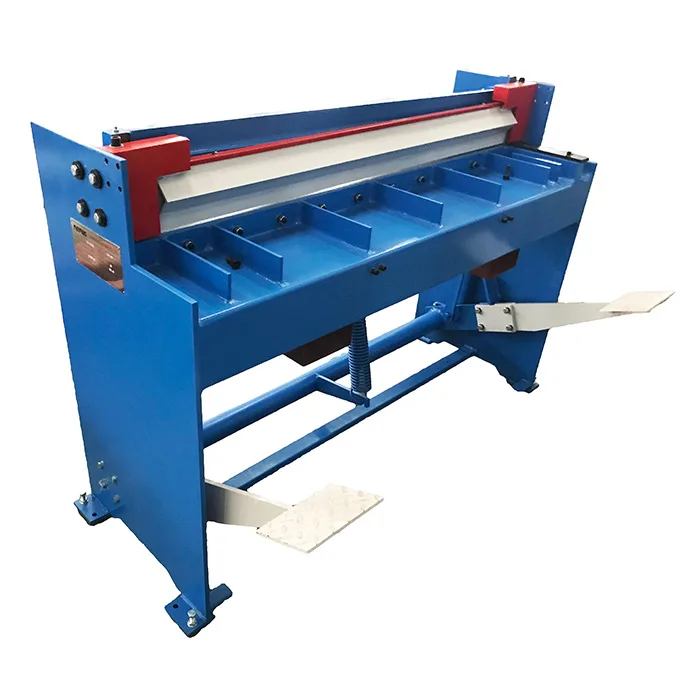
Sheet Metal Equipment: Ultimate Guide to Industrial Fabrication Solutions in 2026
2026/03/06
-
A Guide to the Latest Innovations in Sheet Metal Folding Machines
2024/11/29 -
Key Features to Consider When Investing in a Sheet Metal Folding Machine
2024/11/28 -
Enhancing Precision with Advanced Sheet Metal Folding Machines
2024/11/27 -
How to Choose the Right Sheet Metal Folding Machine for Your Workshop
2024/11/26
