

Understanding Different Types of Metal Bending Machines- Press Brakes, Rollers, and More
Introduction:
In the realm of metalworking, precision and efficiency are paramount. Bending metal is a crucial process, and choosing the right bending machine is essential. Navigate the labyrinth of metal bending machines with this comprehensive guide, demystifying the unique capabilities of press brakes, rollers, and more.
Press Brakes: The Precision Powerhouses
Press brakes employ a punch and die setup, delivering immense force to bend metal with incredible accuracy. They excel in producing sharp bends, intricate shapes, and repetitive bends. Hydraulic and mechanical press brakes offer a wide range of capacities, making them suitable for both small and large-scale projects.
Rollers: The Continuous Curve Specialists
Rollers are indispensable for achieving smooth, continuous curves in metal. Multiple rollers exert pressure on the metal, gradually bending it to the desired shape. They are ideal for sheet metal bending, producing bends in a constant radius without any creases or distortions.
Angle Rolls: The Precision Bender for Heavy Stock
Angle rolls, also known as sectional rolls, are designed for bending heavy metal sections precisely. Their robust design ensures accurate bending and can handle materials up to 12 inches thick. Angles, channels, and T-sections are easily formed with these machines.
Tube and Pipe Benders: The Complex Curvers
Tube and pipe benders are specialized machines that bend tubular shapes without flattening or distorting them. Rotary draw benders use a mandrel to support the inside of the tube, preventing deformation. CNC tube benders offer precise control over bending angles and radii.
Combination Machines: The Multi-Taskers
For maximum versatility, combination machines combine the functions of multiple bending machines into a single unit. They can perform press braking, rolling, and even shearing, saving space and increasing productivity.
Choosing the Right Machine:
Selecting the appropriate metal bending machine depends on the material’s thickness, shape, precision requirements, and production volume. Consider factors such as bending force, bending angle, and the need for specialized features.
Conclusion:
From press brakes to rollers and more, the world of metal bending machines offers a range of solutions for various applications. By understanding the unique capabilities and limitations of each type, metalworkers can optimize their bending processes, ensuring precision, efficiency, and exceptional results.
-
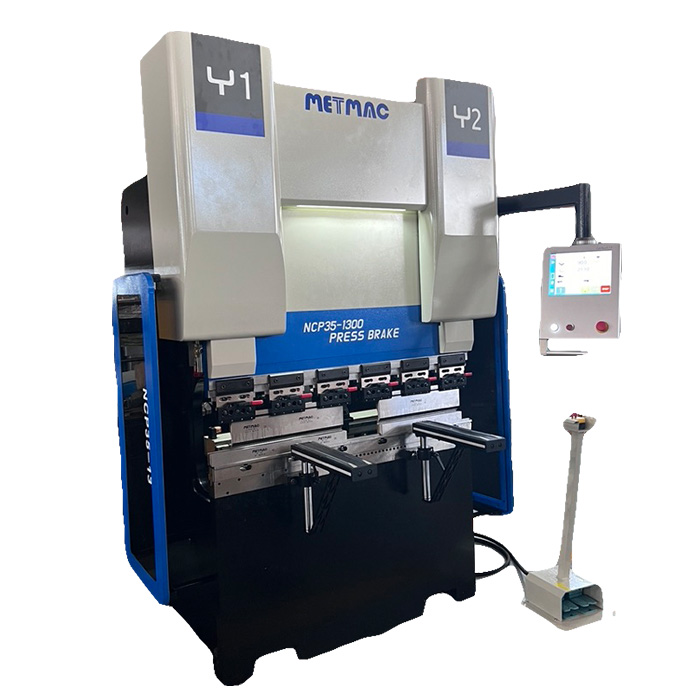
Press Metal Machine: The Definitive Guide to Precision Metal Forming
2026/03/12 -
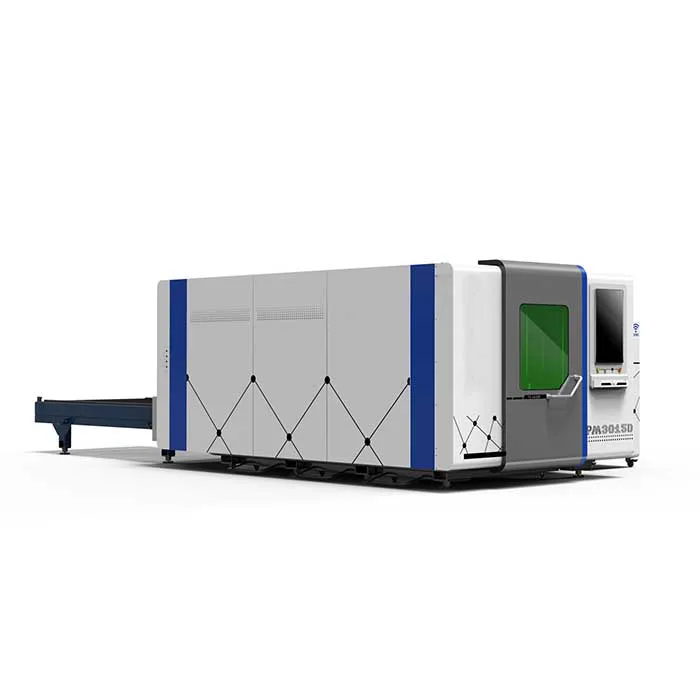
Metal Punching Machine: The Ultimate Guide to Precision Hole Punching
2026/03/10 -
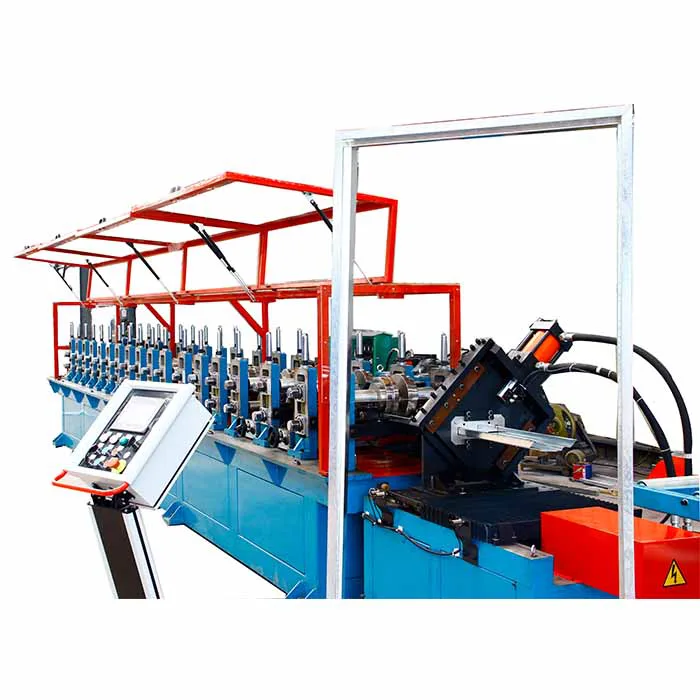
Sheet Metal Machinery: The Ultimate Guide to Industrial Fabrication Excellence
2026/03/04 -
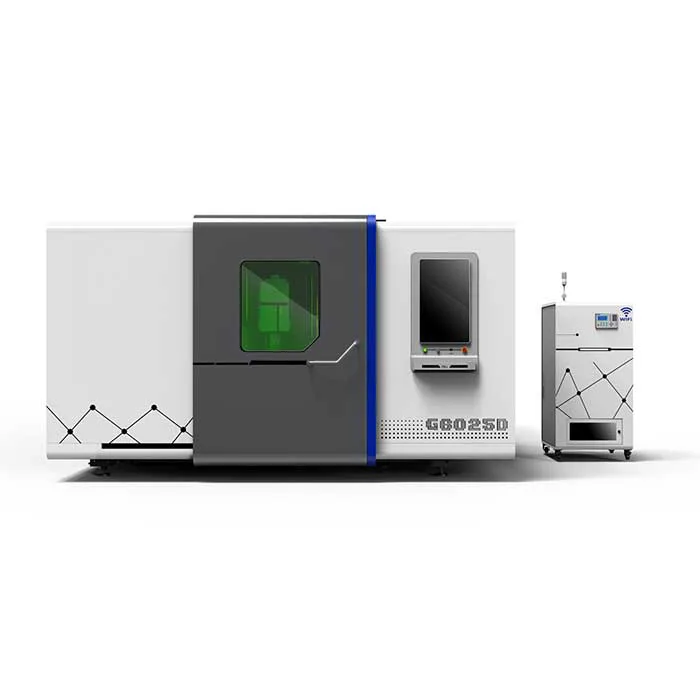
Iron Sheet Laser Cutting Machine: Unmatched Precision for Demanding Fabrication with METMAC
2026/01/06
-
Sheet Metal Press Brake: Ultimate Guide to Precision Bending Technology in 2024
2026/03/13 -
Metal Punching Machine: Ultimate Guide to Precision Manufacturing in 2024
2026/03/11 -
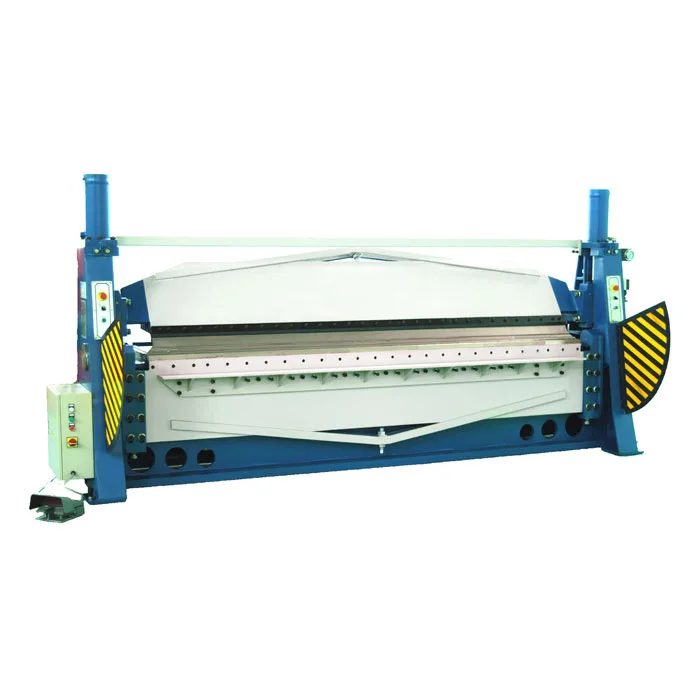
Metal Folding Machine: Comprehensive Guide to Precision Bending in 2024
2026/03/09 -
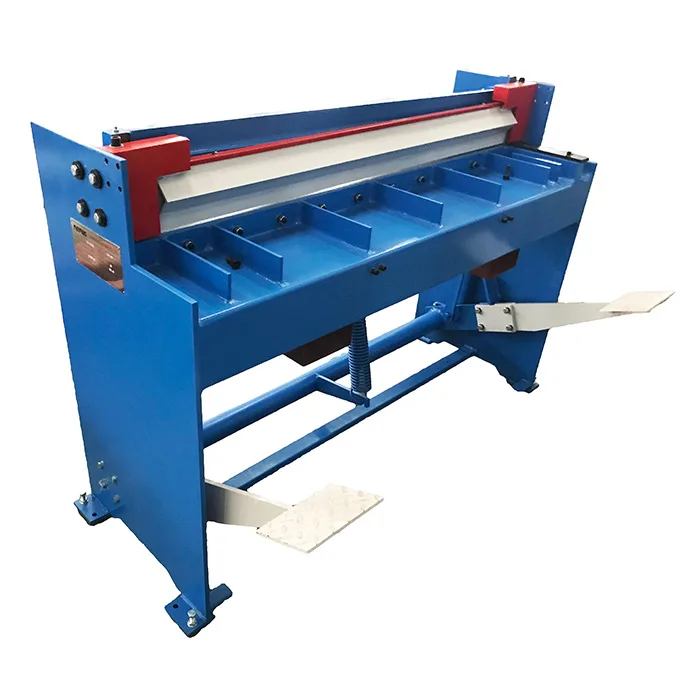
Sheet Metal Equipment: Ultimate Guide to Industrial Fabrication Solutions in 2026
2026/03/06
-
A Guide to the Latest Innovations in Sheet Metal Folding Machines
2024/11/29 -
Key Features to Consider When Investing in a Sheet Metal Folding Machine
2024/11/28 -
Enhancing Precision with Advanced Sheet Metal Folding Machines
2024/11/27 -
How to Choose the Right Sheet Metal Folding Machine for Your Workshop
2024/11/26
