


Tips for Achieving Perfect Rolls with Your Metal Plate Rolling Machine
In the realm of metal fabrication, precision and finesse reign supreme. Mastering the art of metal plate rolling requires meticulous attention to detail and a keen understanding of your machine’s capabilities. Here are some indispensable tips to guide you toward flawless rolls that will elevate your projects to the next level:
1. Prepare the Plate:
Ensure that the plate is free of imperfections, such as burrs, dents, or scratches. These irregularities can affect the rolling process and compromise the final product.
2. Calibrate the Machine:
Precise calibration is non-negotiable. Check the machine’s alignment, roller positioning, and pressure settings to ensure optimal performance. Proper calibration will prevent plate distortion and ensure uniform rolling.
3. Choose the Right Rollers:
Selecting the appropriate rollers is crucial. Consider the plate thickness, desired diameter, and the material’s yield strength. Using the correct rollers will minimize slippage, prevent damage, and achieve the desired curvature.
4. Handle the Plate Correctly:
Proper handling is essential to avoid accidents and damage to the machine or plate. Position the plate correctly between the rollers and use appropriate safety gear when operating the machine.
5. Roll Gradually:
Avoid over-rolling the plate. Start with light passes and gradually increase the pressure as needed. This technique helps to reduce stress concentrations and prevent cracking or tearing.
6. Support the Plate:
Large plates may require additional support during rolling. Use roller stands or a support frame to prevent the plate from sagging or buckling.
7. Monitor the Process:
Keep a watchful eye on the rolling process. Observe the plate’s curvature, listen for any unusual sounds, and check for any signs of over-rolling.
8. Use Lubricants Carefully:
Lubricants are typically used to reduce friction and improve rolling efficiency. However, excessive lubrication can cause slippage and affect the plate’s surface finish. Use lubricants sparingly and only when necessary.
9. Inspect the Final Product:
Once rolled, inspect the plate thoroughly for any defects, such as inconsistencies in curvature, surface blemishes, or internal stresses. If any imperfections are found, adjustments to the rolling process may be required.
10. Maintain Your Machine:
Regular maintenance is key to the longevity and performance of your metal plate rolling machine. Clean the rollers, lubricate moving parts, and inspect the machine for any wear or damage at regular intervals.
By adhering to these tips, you can unlock the full potential of your metal plate rolling machine and produce flawless rolls that will enhance the strength, durability, and aesthetics of your metalworking projects.
-
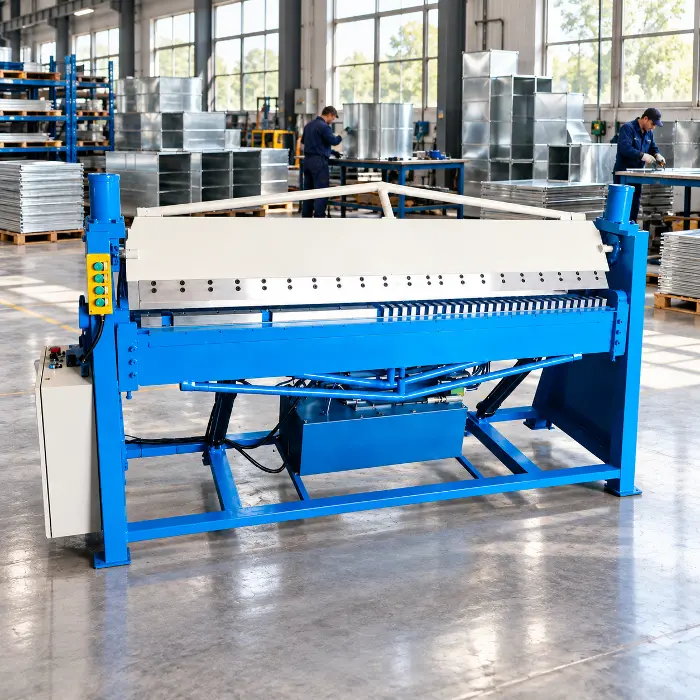
Choosing HVAC Duct Folding Machines for Flange-Safe Bending
2026/10/13 -
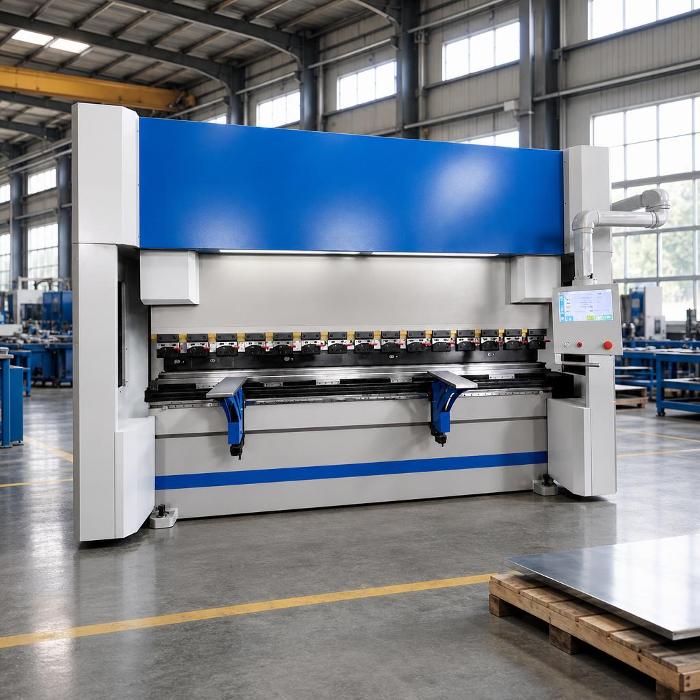
Precision Metal Forming Machines: What Separates Accurate Bends From Scrapped Sheet
2026/10/12 -
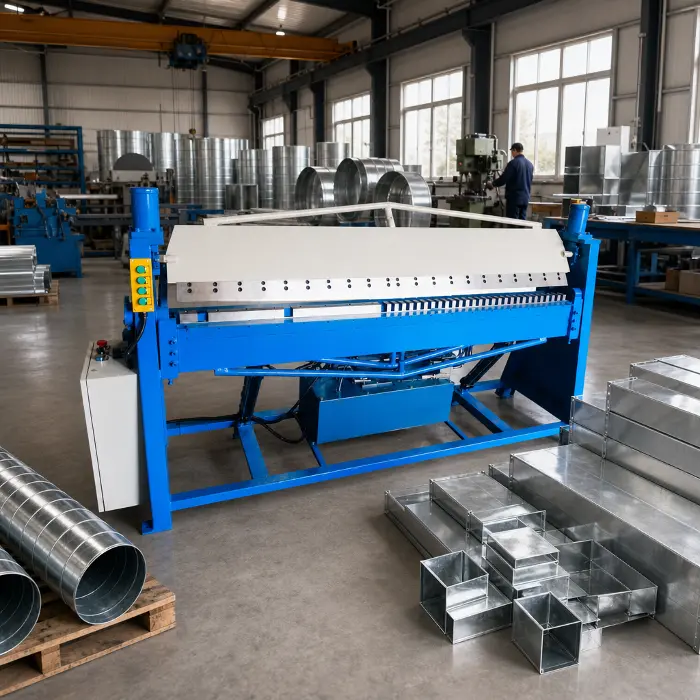
What to Look for in an HVAC Folding Machine Manufacturer
2026/10/11 -
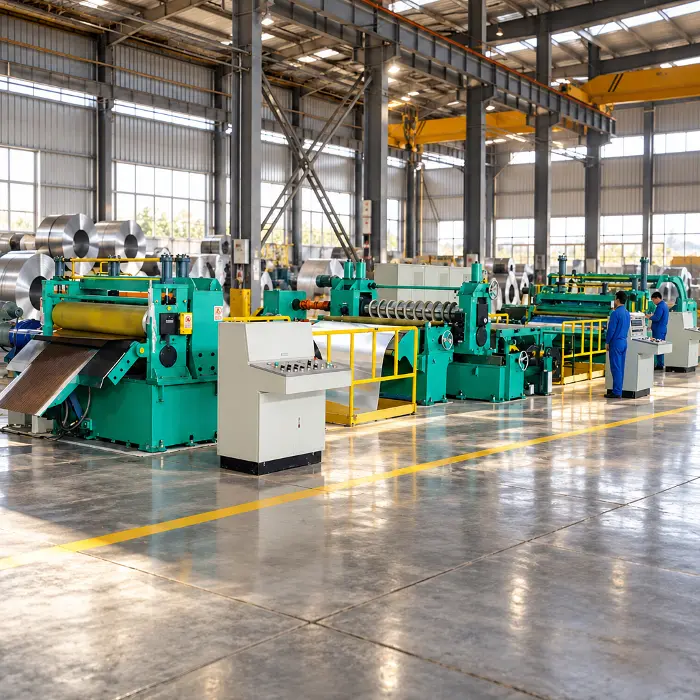
Steel Strip Cutting Machine: Engineering Precision in Modern Metal Processing
2026/10/10
-
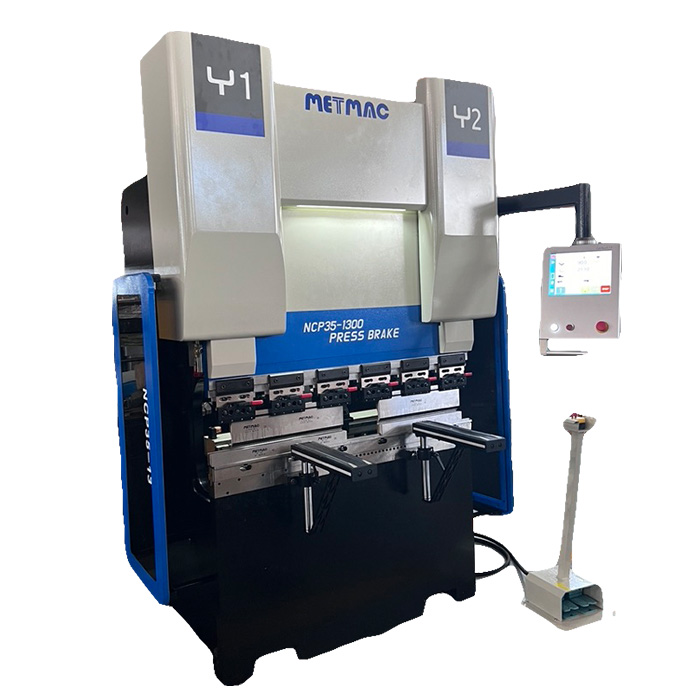
Sheet Metal Press Brake: Ultimate Guide to Precision Bending Technology in 2024
2026/03/13 -
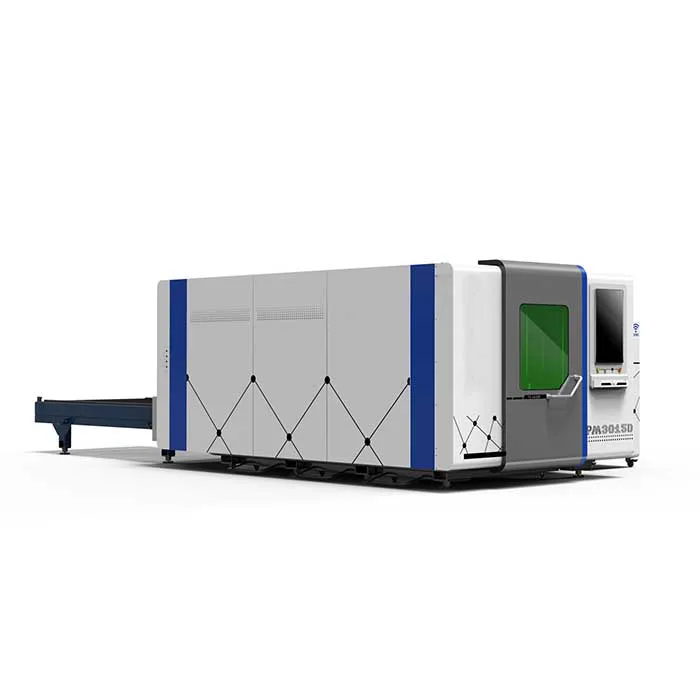
Metal Punching Machine: Ultimate Guide to Precision Manufacturing in 2024
2026/03/11 -
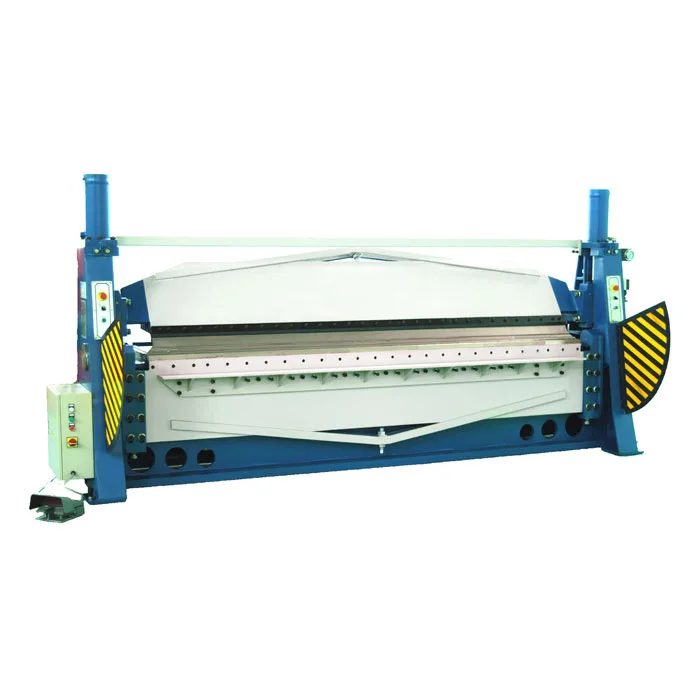
Metal Folding Machine: Comprehensive Guide to Precision Bending in 2024
2026/03/09 -
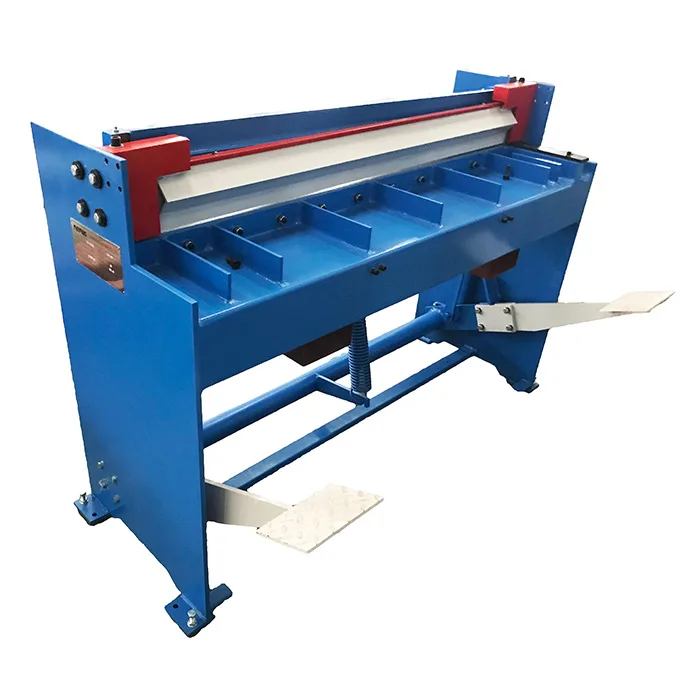
Sheet Metal Equipment: Ultimate Guide to Industrial Fabrication Solutions in 2026
2026/03/06
-
A Guide to the Latest Innovations in Sheet Metal Folding Machines
2024/11/29 -
Key Features to Consider When Investing in a Sheet Metal Folding Machine
2024/11/28 -
Enhancing Precision with Advanced Sheet Metal Folding Machines
2024/11/27 -
How to Choose the Right Sheet Metal Folding Machine for Your Workshop
2024/11/26
