


Safety and Environmental Considerations in Metal Sheet Forming
Introduction:
In the realm of metalworking, precision and efficiency are paramount. However, these imperatives must not overshadow the critical considerations of safety and environmental stewardship. Metal sheet forming, a cornerstone of the industry, poses unique challenges that demand meticulous attention to these aspects.
Safety Considerations:
1. Machine Hazards: Metal sheet forming machines, such as presses and shears, operate with immense force and pose significant hazards. Proper guarding, interlocks, and personal protective equipment (PPE) are essential to prevent injuries.
2. Noise Pollution: Sheet forming processes generate deafening noise levels. Prolonged exposure can cause hearing damage. Hearing protection, sound dampening measures, and employee training are crucial.
3. Ergonomic Hazards: Repetitive and strenuous movements can lead to musculoskeletal disorders. Ergonomically designed workstations, proper posture training, and job rotation help mitigate these risks.
Environmental Considerations:
1. Hazardous Waste: Metalworking fluids, paints, and chemicals used in sheet forming may pose environmental hazards. Responsible disposal and recycling practices are necessary to prevent soil and water contamination.
2. Energy Consumption: Metal sheet forming processes require significant energy consumption. The adoption of energy-efficient technologies, such as optimized tooling and servo-driven machines, helps reduce environmental impact.
3. Greenhouse Gases: Metal sheet forming contributes to greenhouse gas emissions. By optimizing material usage, promoting recycling, and investing in renewable energy sources, manufacturers can minimize their environmental footprint.
Balancing Safety and Productivity:
Striking a balance between safety, environmental consciousness, and productivity is essential for sustainable metal sheet forming operations. This requires:
Training and Awareness: Ensuring that employees are adequately trained and fully aware of potential hazards and mitigation measures.
Continuous Improvement: Regularly reviewing existing practices, identifying areas for improvement, and implementing safer and more environmentally friendly solutions.
Collaboration and Partnerships: Working closely with suppliers, customers, and industry organizations to share best practices and promote responsible manufacturing.
Conclusion:
Safety and environmental considerations are integral to modern metal sheet forming practices. By prioritizing these aspects, manufacturers can protect the well-being of their employees, preserve the environment, and ensure the long-term sustainability of the industry. Embracing these principles allows us to shape metal and shape a better future for generations to come.
-
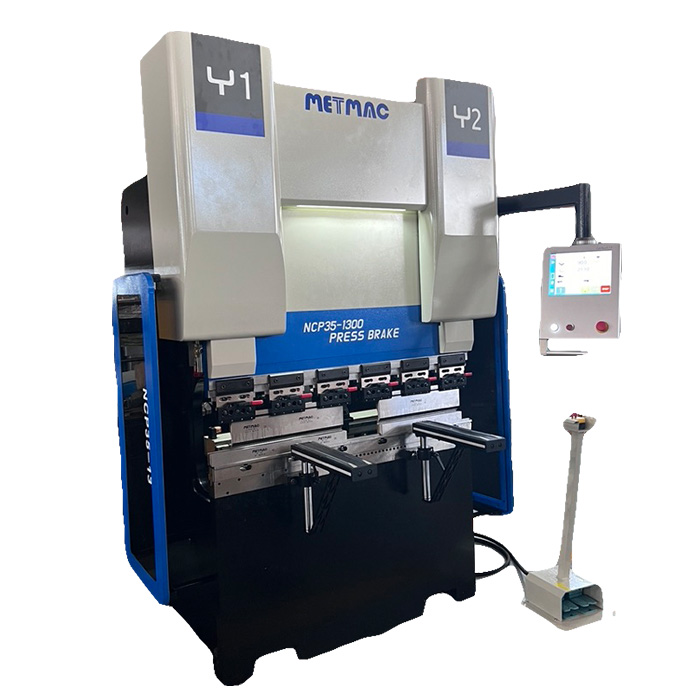
Press Metal Machine: The Definitive Guide to Precision Metal Forming
2026/03/12 -
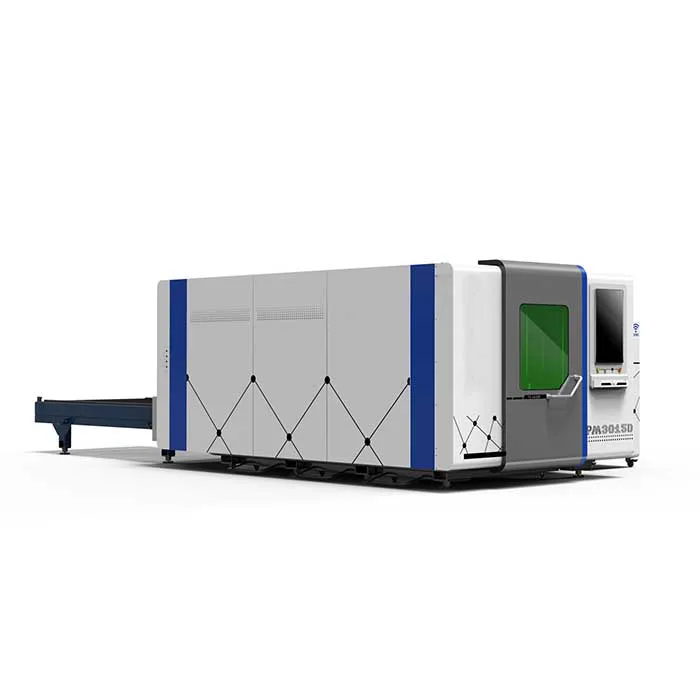
Metal Punching Machine: The Ultimate Guide to Precision Hole Punching
2026/03/10 -
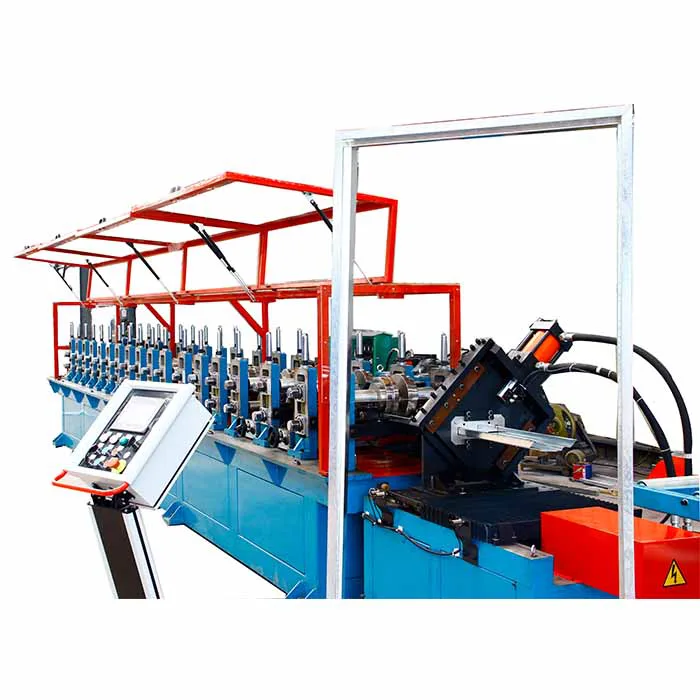
Sheet Metal Machinery: The Ultimate Guide to Industrial Fabrication Excellence
2026/03/04 -
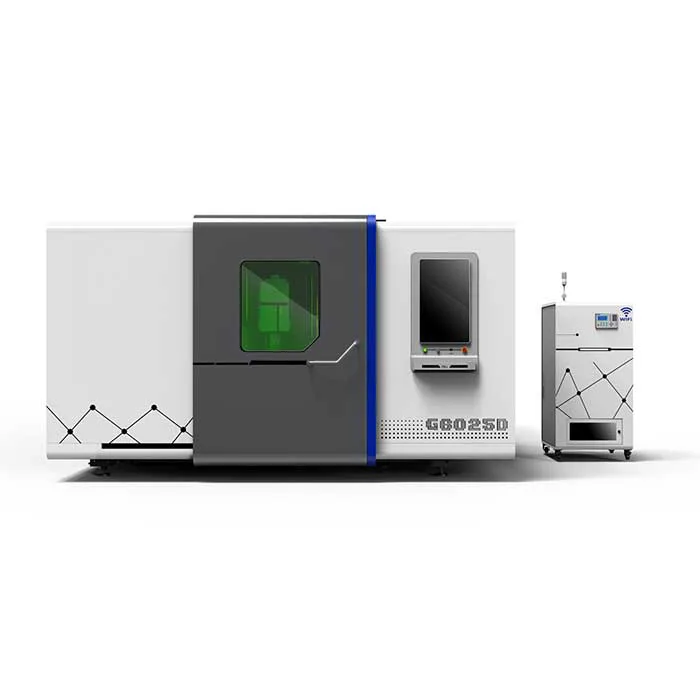
Iron Sheet Laser Cutting Machine: Unmatched Precision for Demanding Fabrication with METMAC
2026/01/06
-
Sheet Metal Press Brake: Ultimate Guide to Precision Bending Technology in 2024
2026/03/13 -
Metal Punching Machine: Ultimate Guide to Precision Manufacturing in 2024
2026/03/11 -
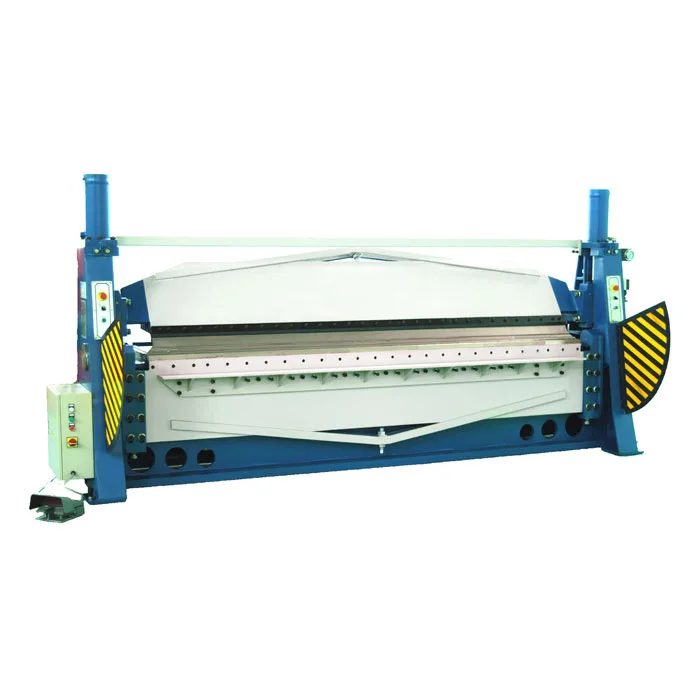
Metal Folding Machine: Comprehensive Guide to Precision Bending in 2024
2026/03/09 -
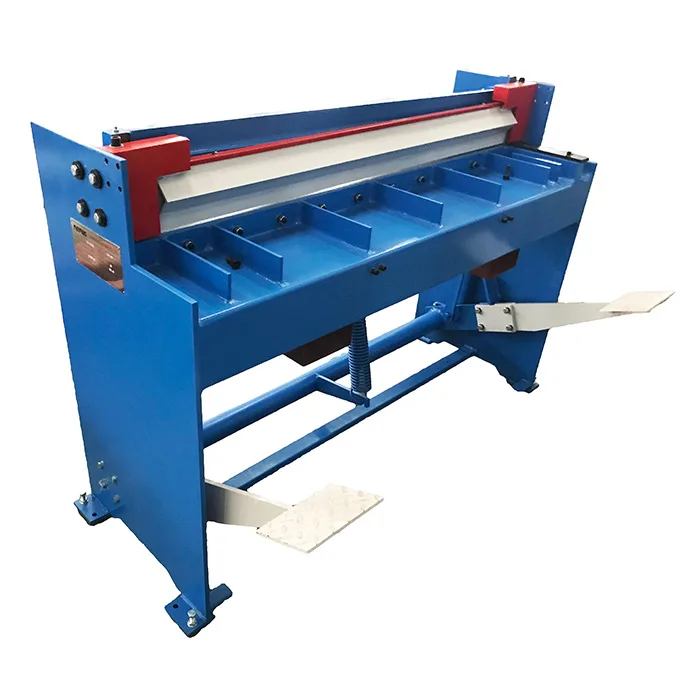
Sheet Metal Equipment: Ultimate Guide to Industrial Fabrication Solutions in 2026
2026/03/06
-
Latest Technological Advancements in Rectangular Duct Machines
2024/05/11 -
Integrating Automation with Rectangular Duct Machines for Enhanced Productivity
2024/05/11 -
Metal Shear Machines- Essential Tools for Precision Metal Cutting
2024/05/11 -
Understanding the Role and Function of Steel Strip Slitting Machines
2024/05/11
-
A Guide to the Latest Innovations in Sheet Metal Folding Machines
2024/11/29 -
Key Features to Consider When Investing in a Sheet Metal Folding Machine
2024/11/28 -
Enhancing Precision with Advanced Sheet Metal Folding Machines
2024/11/27 -
How to Choose the Right Sheet Metal Folding Machine for Your Workshop
2024/11/26
