


Navigating Regulations and Standards in Metal Strip Cutting Operations
Navigating Regulations and Standards in Metal Strip Cutting Operations: A Critical Guide
Introduction
Sharpen your Blades: The Criticality of Compliance
In the intricate realm of metal strip cutting operations, compliance with regulations and standards holds paramount importance. They serve as the cornerstone for ensuring safety, quality, and efficiency, safeguarding both the workforce and the integrity of the products. Navigating this complex terrain requires a comprehensive understanding of the applicable rules and guidelines.
Regulatory Landscape
Beyond Compliance, Embracing Excellence
The regulatory landscape governing metal strip cutting operations is an ever-evolving tapestry. Key regulations include the Occupational Safety and Health Administration (OSHA) standards, American National Standards Institute (ANSI) guidelines, and industry-specific best practices. These directives address aspects such as machine safety, noise control, emission management, and waste disposal.
Standards: Guardians of Quality and Efficiency
The Pathway to Precision and Productivity
Standards, such as the International Organization for Standardization (ISO) and American Society for Testing and Materials (ASTM) specifications, provide detailed technical requirements for metal strip cutting processes. They define acceptable tolerances, material properties, and test methods, ensuring uniformity and reliability in product quality.
Compliance and Beyond
Elevating Performance, Transcending Expectations
Compliance with regulations and standards is not merely a legal obligation but a strategic imperative. Beyond meeting regulatory minimums, it drives operational excellence by minimizing risks, enhancing productivity, and optimizing resource utilization. It fosters a culture of continuous improvement, where safety, quality, and efficiency are paramount.
Partnering for Success
Collaborating for Compliance and Innovation
Navigating the complexities of regulations and standards requires collaboration with experts. Industry associations, consulting firms, and legal professionals can provide guidance, training, and support. By partnering with these resources, metal strip cutting operations can stay abreast of regulatory changes, implement best practices, and develop innovative solutions that push the boundaries of performance.
Conclusion
Unveiling the Path to Compliant and Competitive Operations
Navigating regulations and standards in metal strip cutting operations is a multifaceted endeavor that demands a deep understanding of both compliance and industry best practices. By embracing compliance not as a burden but as an opportunity for excellence, organizations can unlock the full potential of their operations, safeguarding safety, quality, and profitability. It is a journey that ultimately leads to a competitive edge in an industry where precision, efficiency, and innovation reign supreme.
-
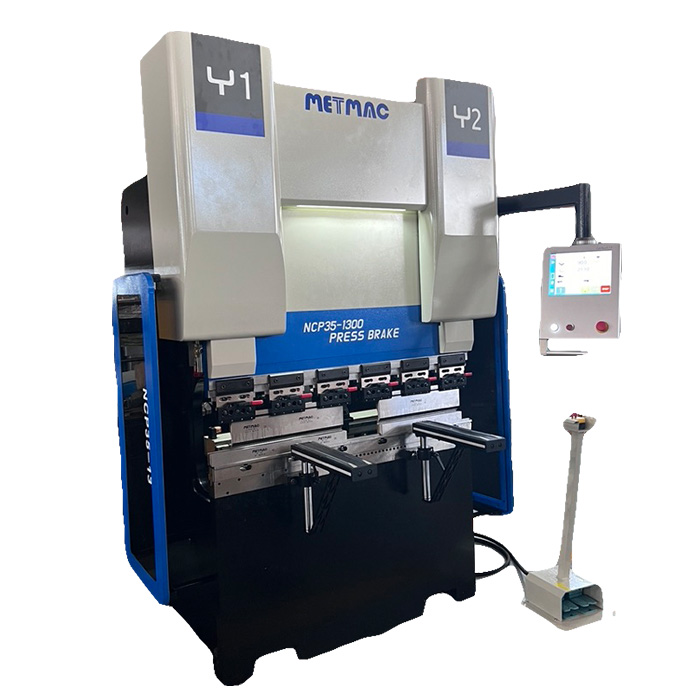
Press Metal Machine: The Definitive Guide to Precision Metal Forming
2026/03/12 -
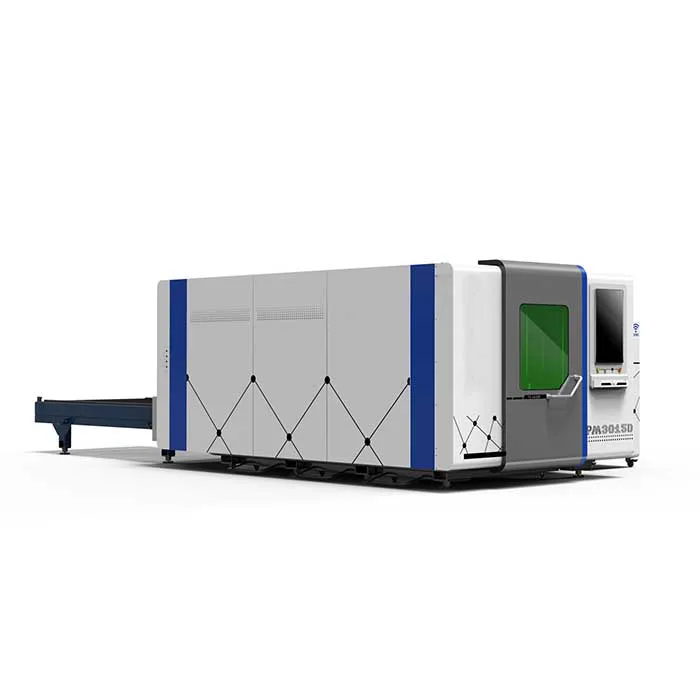
Metal Punching Machine: The Ultimate Guide to Precision Hole Punching
2026/03/10 -
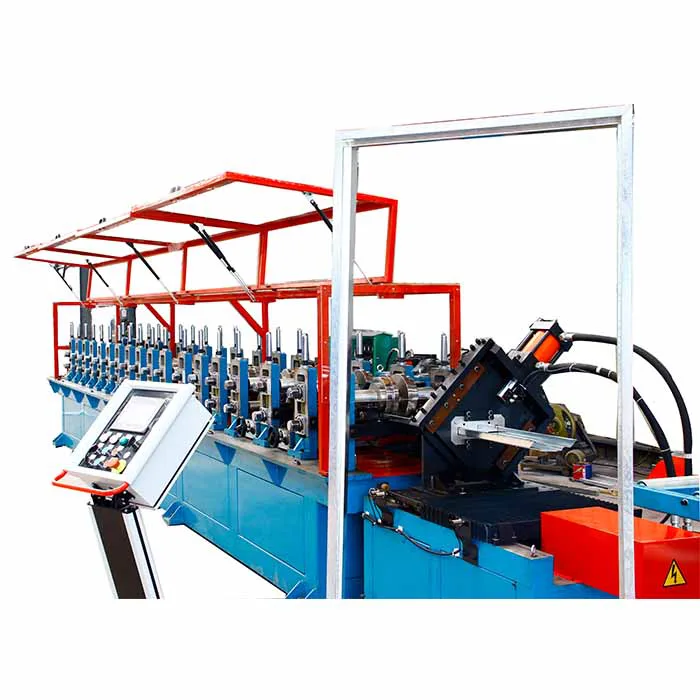
Sheet Metal Machinery: The Ultimate Guide to Industrial Fabrication Excellence
2026/03/04 -
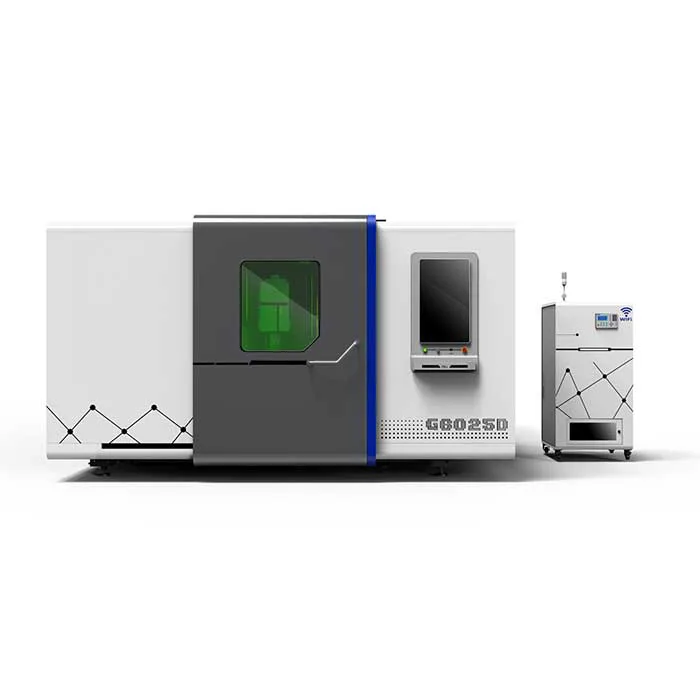
Iron Sheet Laser Cutting Machine: Unmatched Precision for Demanding Fabrication with METMAC
2026/01/06
-
Sheet Metal Press Brake: Ultimate Guide to Precision Bending Technology in 2024
2026/03/13 -
Metal Punching Machine: Ultimate Guide to Precision Manufacturing in 2024
2026/03/11 -
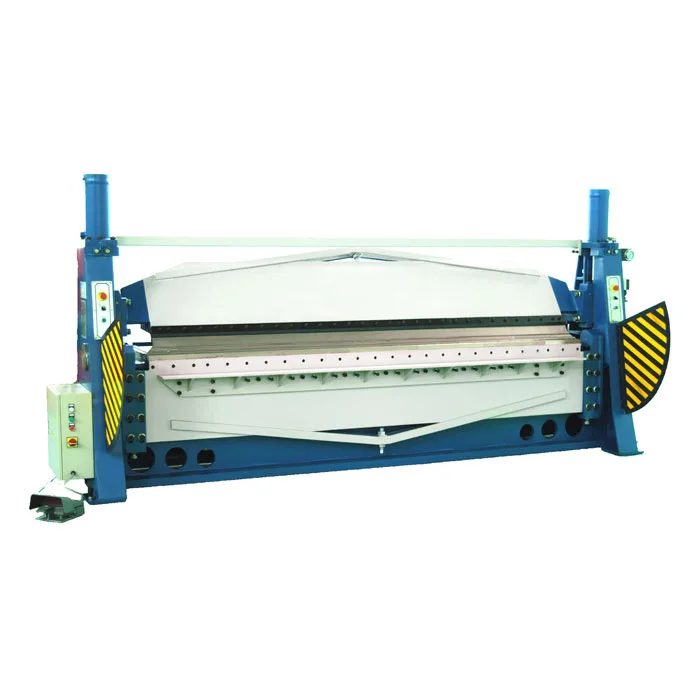
Metal Folding Machine: Comprehensive Guide to Precision Bending in 2024
2026/03/09 -
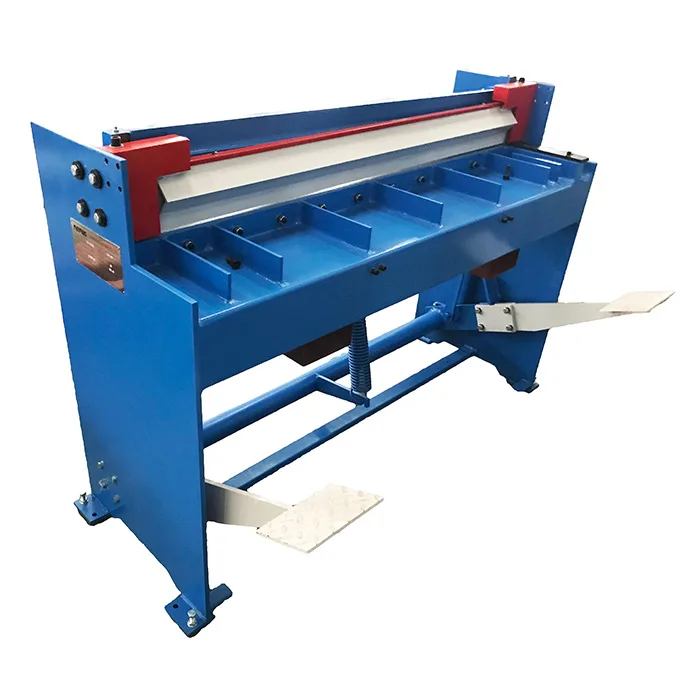
Sheet Metal Equipment: Ultimate Guide to Industrial Fabrication Solutions in 2026
2026/03/06
-
Understanding the Role and Function of Steel Strip Slitting Machines
2024/05/11 -
Maintenance Tips for Longevity of HVAC Duct Machines
2024/05/11 -
Innovations in Steel Strip Slitting Machine Design and Technology
2024/05/11 -
Improving Accuracy in Metal Fabrication with Laser Metal Shear Machines
2024/05/11
-
A Guide to the Latest Innovations in Sheet Metal Folding Machines
2024/11/29 -
Key Features to Consider When Investing in a Sheet Metal Folding Machine
2024/11/28 -
Enhancing Precision with Advanced Sheet Metal Folding Machines
2024/11/27 -
How to Choose the Right Sheet Metal Folding Machine for Your Workshop
2024/11/26
