


Essential Guide to Plate Bender Machines
In the realm of metalworking, the enigmatic Plate Bender Machine reigns supreme. Its ability to transform unyielding sheets of metal into intricate shapes has captivated engineers and manufacturers alike. This guide will delve into the captivating world of these extraordinary machines, providing an indispensable resource for understanding their capabilities and applications.
Unveiling the Power of Plate Bending
Plate bender machines possess an awe-inspiring force that enables them to reshape metal plates with precision and ease. Employing a combination of hydraulic or pneumatic power, they exert immense pressure to bend sheets of various thicknesses and materials. From mild steel to hardened alloys, plate benders effortlessly mold metal into desired curvatures.
Anatomy of a Plate Bender
Like a finely tuned instrument, plate benders are meticulously engineered to deliver exceptional performance. Their key components include:
Frame: Provides structural support and houses the hydraulic or pneumatic system.
Beam: Supports the upper roller, creating the bending force.
Lower Roller: Provides support and assists in guiding the plate.
Upper Roller: Applies pressure to bend the plate.
Work Table: Supports the plate during the bending process.
Mastering Bending Techniques
Operating a plate bender requires a combination of technical expertise and artistic flair. The type of bend, material properties, and desired curvature all play crucial roles in achieving optimal results. Common bending techniques include:
Roll Bending: The plate is bent around a cylindrical roller.
Press Bending: The plate is pressed between a punch and die.
Edge Bending: The plate is bent over a straight edge.
Industrial Applications of Plate Benders
Plate bender machines find widespread application in industries ranging from aerospace to shipbuilding. Their versatility allows them to produce a vast array of components, including:
Aircraft wings
Ship hulls
Bridges
Tanks
Architectural panels
Selecting the Right Plate Bender
Choosing the ideal plate bender for your specific needs requires careful consideration of factors such as:
Bend capacity (thickness and width of plates)
Bend angle range
Roller configuration
Automation capabilities
Safety features
Conclusion
Plate bender machines are invaluable tools for bending metal plates with accuracy and efficiency. By understanding their capabilities and applications, metalworkers can harness their potential to create exceptional products in diverse industries. This guide provides a solid foundation for anyone seeking to master the art of plate bending, empowering them to achieve transformative results with these extraordinary machines.
-
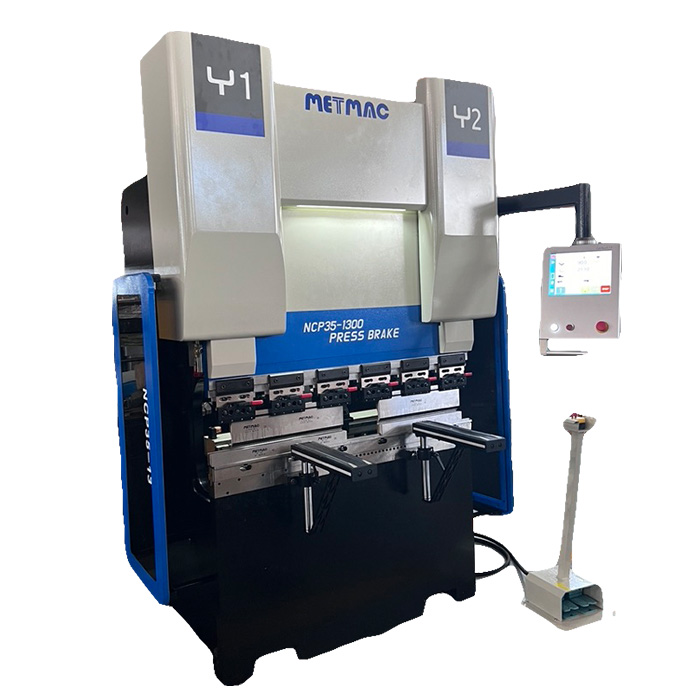
Press Metal Machine: The Definitive Guide to Precision Metal Forming
2026/03/12 -
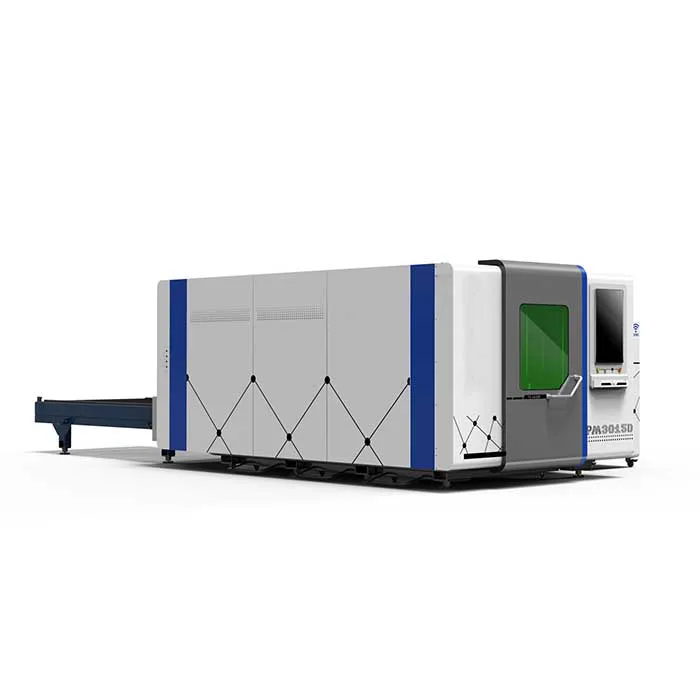
Metal Punching Machine: The Ultimate Guide to Precision Hole Punching
2026/03/10 -
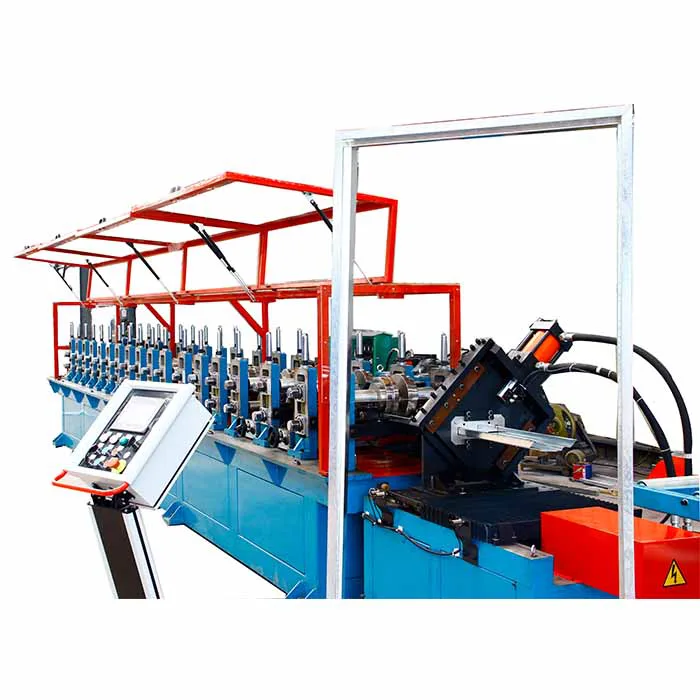
Sheet Metal Machinery: The Ultimate Guide to Industrial Fabrication Excellence
2026/03/04 -
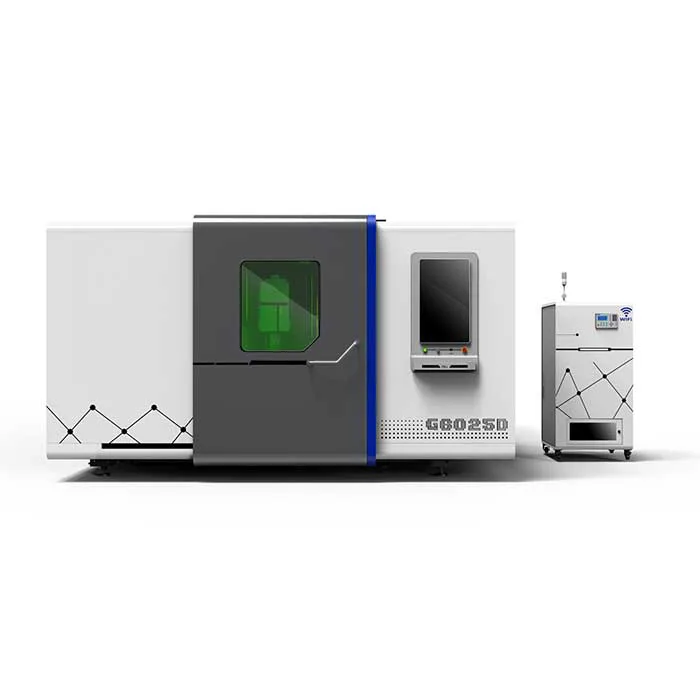
Iron Sheet Laser Cutting Machine: Unmatched Precision for Demanding Fabrication with METMAC
2026/01/06
-
Sheet Metal Press Brake: Ultimate Guide to Precision Bending Technology in 2024
2026/03/13 -
Metal Punching Machine: Ultimate Guide to Precision Manufacturing in 2024
2026/03/11 -
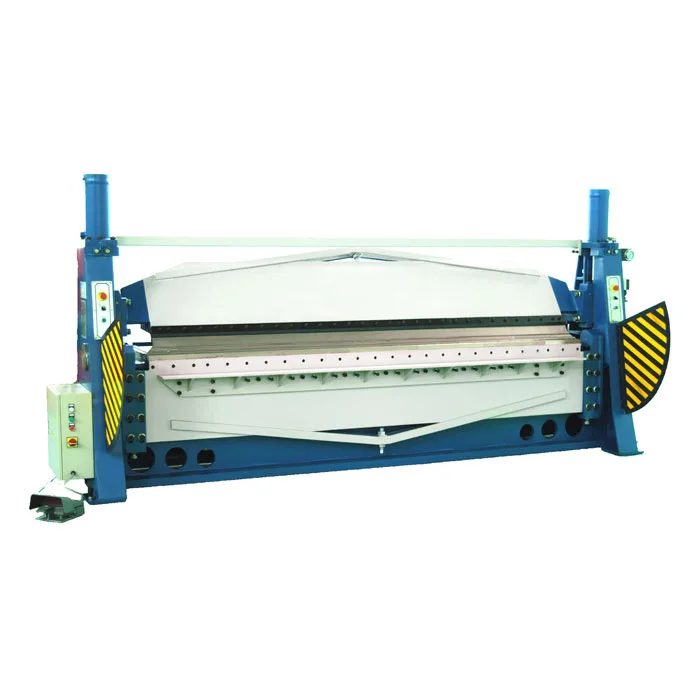
Metal Folding Machine: Comprehensive Guide to Precision Bending in 2024
2026/03/09 -
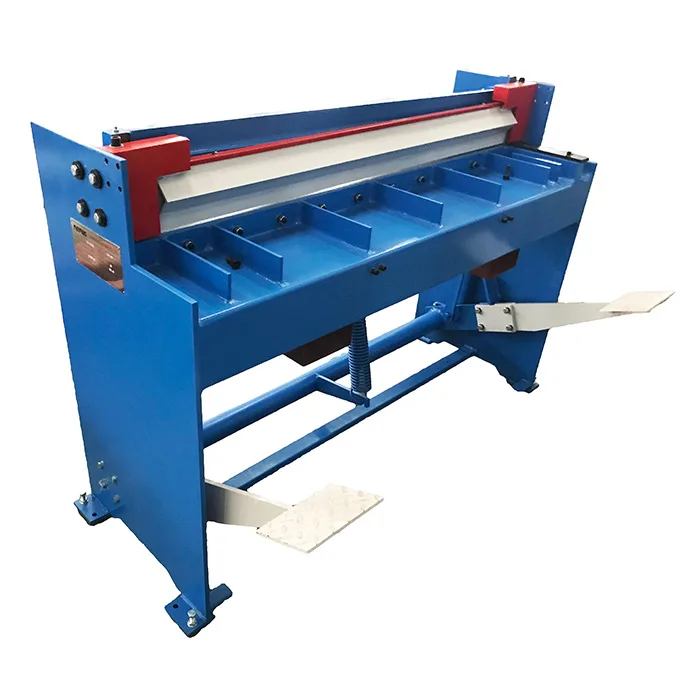
Sheet Metal Equipment: Ultimate Guide to Industrial Fabrication Solutions in 2026
2026/03/06
-
A Guide to the Latest Innovations in Sheet Metal Folding Machines
2024/11/29 -
Key Features to Consider When Investing in a Sheet Metal Folding Machine
2024/11/28 -
Enhancing Precision with Advanced Sheet Metal Folding Machines
2024/11/27 -
How to Choose the Right Sheet Metal Folding Machine for Your Workshop
2024/11/26
