


Comparing Rectangular Duct Machines- Which Model Suits Your Needs?
In the realm of HVAC systems, rectangular duct machines reign supreme as indispensable tools for shaping and distributing conditioned air in commercial and industrial settings. Their precision engineering and versatility make them essential for ensuring optimal air flow and comfort. However, with a myriad of models and configurations available, navigating the market can be a daunting task. This comprehensive guide delves into the intricacies of rectangular duct machines, empowering you to select the ideal model that aligns seamlessly with your specific requirements.
Factors to Consider
When selecting a rectangular duct machine, several key factors warrant consideration:
Size and Capacity: Determine the size and capacity of the ductwork to be fabricated, ensuring the machine can accommodate the necessary dimensions and airflow rates.
Material: Choose from various materials such as galvanized steel, stainless steel, or aluminum, considering factors like corrosion resistance, durability, and thermal insulation properties.
Automation: Consider the level of automation desired, ranging from manual operation to sophisticated CNC-controlled systems for increased productivity.
Flexibility: Evaluate the machine’s ability to handle different duct shapes and configurations, ensuring it can adapt to complex or irregular duct designs.
Model Comparison
Based on these criteria, let us compare three leading models of rectangular duct machines:
Model A: A compact entry-level machine suitable for small to medium-sized projects. Its manual operation and basic features make it economical for basic duct fabrication needs.
Model B: A mid-range model offering a balance of automation and versatility. Its CNC control and adjustable settings allow for greater precision and customization in duct production.
Model C: A high-end machine designed for large-scale projects and complex duct designs. Its advanced automation, sophisticated software, and robust construction cater to the most demanding applications.
Conclusion
Selecting the right rectangular duct machine is crucial for achieving optimal performance and efficiency in HVAC systems. By carefully weighing the factors outlined above, you can make an informed decision that aligns with your specific needs. Whether you opt for the simplicity of Model A, the adaptability of Model B, or the cutting-edge technology of Model C, the perfect machine awaits to transform your duct fabrication process.
-
Press Metal Machine: The Definitive Guide to Precision Metal Forming
2026/03/12 -
Metal Punching Machine: The Ultimate Guide to Precision Hole Punching
2026/03/10 -
Sheet Metal Machinery: The Ultimate Guide to Industrial Fabrication Excellence
2026/03/04 -
Iron Sheet Laser Cutting Machine: Unmatched Precision for Demanding Fabrication with METMAC
2026/01/06
-
Sheet Metal Press Brake: Ultimate Guide to Precision Bending Technology in 2024
2026/03/13 -
Metal Punching Machine: Ultimate Guide to Precision Manufacturing in 2024
2026/03/11 -
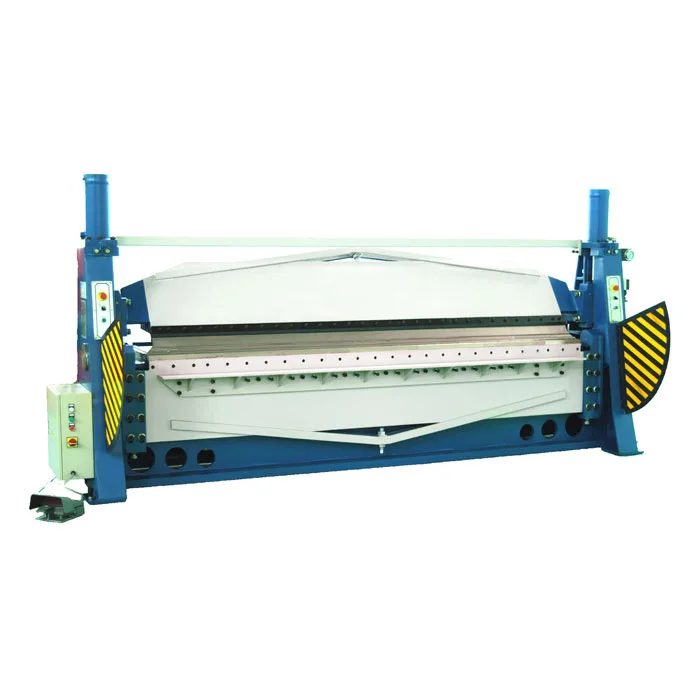
Metal Folding Machine: Comprehensive Guide to Precision Bending in 2024
2026/03/09 -
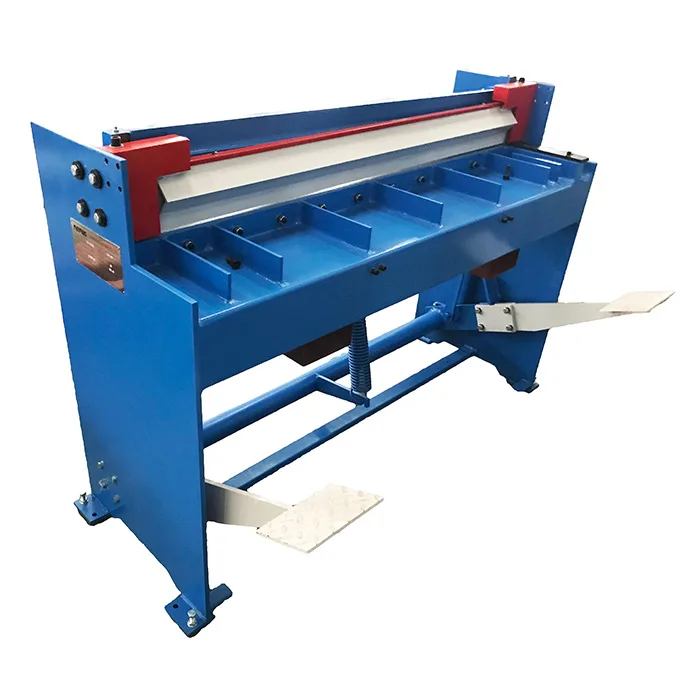
Sheet Metal Equipment: Ultimate Guide to Industrial Fabrication Solutions in 2026
2026/03/06
-
Integrating Automation with Rectangular Duct Machines for Enhanced Productivity
2024/05/11 -
Metal Shear Machines- Essential Tools for Precision Metal Cutting
2024/05/11 -
Understanding the Role and Function of Steel Strip Slitting Machines
2024/05/11 -
Maintenance Tips for Longevity of HVAC Duct Machines
2024/05/11
-
A Guide to the Latest Innovations in Sheet Metal Folding Machines
2024/11/29 -
Key Features to Consider When Investing in a Sheet Metal Folding Machine
2024/11/28 -
Enhancing Precision with Advanced Sheet Metal Folding Machines
2024/11/27 -
How to Choose the Right Sheet Metal Folding Machine for Your Workshop
2024/11/26
