


Comparing Manual and Automatic Metal Plate Bending Machines
Metal plate bending machines are essential equipment in metal fabrication workshops, used to shape metal plates into desired forms. Depending on the level of automation, bending machines can be classified into manual and automatic types. This article compares manual and automatic metal plate bending machines, highlighting their key differences, advantages, and applications to help readers make informed decisions.
Manual Metal Plate Bending Machine
Manual bending machines require manual operation, where the operator applies force to bend the metal plate using a lever or wheel.
Advantages:
– Low cost: Compared to automatic machines, manual benders are less expensive to purchase and maintain.
– Simple operation: Manual machines are easy to operate, requiring minimal training and technical knowledge.
– Flexibility: Operators have greater control over bending angles and can make adjustments on the fly.
– Custom bending: Manual machines allow for customized bending operations, such as creating complex shapes or bending small batches.
Disadvantages:
– Labor-intensive: Manual bending requires significant physical effort, which can be tiring for operators.
– Low-volume production: Manual machines are best suited for low-volume bending tasks, as the process is slow and time-consuming.
– Accuracy: Achieving precise bending angles can be challenging with manual machines, especially for complex or long bends.
– Safety hazards: Operators may be exposed to pinch points, sharp edges, or flying debris during manual bending.
Automatic Metal Plate Bending Machine
Automatic bending machines utilize motors, sensors, and computer controls to automate the bending process.
Advantages:
– High-volume production: Automatic machines enable high-volume bending operations with minimal operator intervention.
– Precision and repeatability: Automated systems ensure consistent and accurate bending angles, reducing the risk of errors and waste.
– Efficiency: Automatic machines significantly increase production efficiency by reducing downtime and labor costs.
– Reduced physical effort: Operators can program the machine to perform bending tasks without requiring excessive physical exertion.
Disadvantages:
– Higher cost: Automatic machines have a higher initial investment cost compared to manual models.
– Complex setup: Automating bending processes requires technical expertise and careful setup.
– Limited flexibility: Automatic machines may be less suitable for custom bending operations or small batches.
– Maintenance requirements: Automated systems require regular maintenance and specialized technicians for repairs.
Application Considerations
The choice between manual and automatic metal plate bending machines depends on the specific application requirements.
– Low-volume production: Manual machines are ideal for small shops, prototyping, and occasional bending tasks.
– High-volume production: Automatic machines are essential for high-speed bending, mass production, and precise bending applications.
– Accuracy and repeatability: If precision bending is critical, an automatic machine is the preferred choice.
– Budget constraints: Manual machines offer a more affordable option for workshops with limited budgets.
– Operator skill: The skill level of the operator should be considered when choosing between manual and automatic machines.
In conclusion, both manual and automatic metal plate bending machines have their strengths and limitations. Manual machines excel in low-volume, custom bending operations and are cost-effective for small shops. Automatic machines offer superior efficiency, accuracy, and high-volume production capabilities but may be more expensive and require technical expertise. By understanding the differences and application considerations, fabricators can make an informed choice to optimize their bending operations.
-
Choosing HVAC Duct Folding Machines for Flange-Safe Bending
2026/10/13 -
Precision Metal Forming Machines: What Separates Accurate Bends From Scrapped Sheet
2026/10/12 -
What to Look for in an HVAC Folding Machine Manufacturer
2026/10/11 -
Steel Strip Cutting Machine: Engineering Precision in Modern Metal Processing
2026/10/10
-
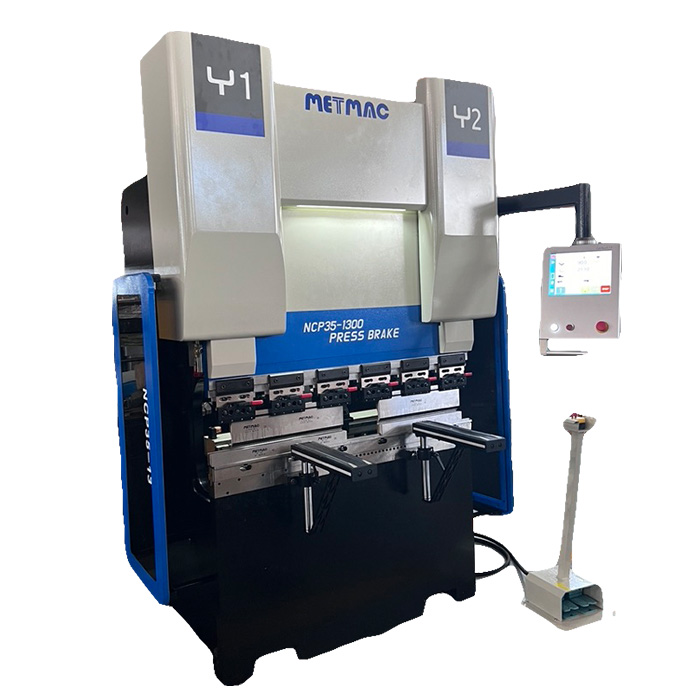
Sheet Metal Press Brake: Ultimate Guide to Precision Bending Technology in 2024
2026/03/13 -
Metal Punching Machine: Ultimate Guide to Precision Manufacturing in 2024
2026/03/11 -
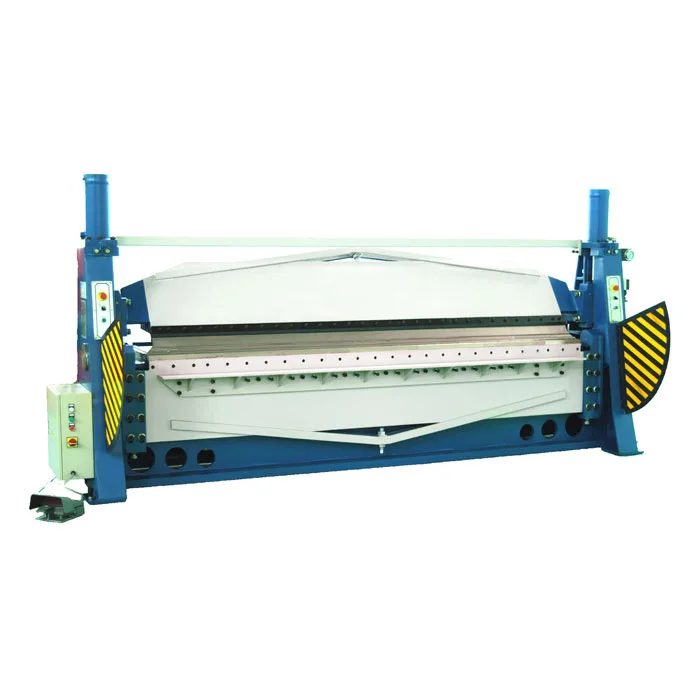
Metal Folding Machine: Comprehensive Guide to Precision Bending in 2024
2026/03/09 -
Sheet Metal Equipment: Ultimate Guide to Industrial Fabrication Solutions in 2026
2026/03/06
-
A Guide to the Latest Innovations in Sheet Metal Folding Machines
2024/11/29 -
Key Features to Consider When Investing in a Sheet Metal Folding Machine
2024/11/28 -
Enhancing Precision with Advanced Sheet Metal Folding Machines
2024/11/27 -
How to Choose the Right Sheet Metal Folding Machine for Your Workshop
2024/11/26
