


Best Practices for Maintaining Your Press Brake Bending Machine
Maintaining your press brake bending machine is crucial to ensure optimal performance, precision, and longevity. By following these best practices, you can maximize the efficiency of your machine and minimize downtime.
Regular Inspection and Cleaning
Regularly inspect your press brake for any signs of wear, damage, or misalignment. Check for loose or damaged bolts, chains, or bearings. Clean the machine thoroughly, removing any dirt, debris, or oil buildup that can interfere with its operation.
Lubrication and Maintenance
Follow the manufacturer’s recommended lubrication schedule to ensure proper lubrication of all moving parts. Use the correct type of lubricant for each component to prevent excessive wear and tear. Regularly perform maintenance tasks such as adjusting gibs, tightening bolts, and replacing worn parts.
Hydraulic System Maintenance
The hydraulic system is essential for the operation of the press brake. Check and replenish the hydraulic fluid regularly, ensuring it is clean and free of contamination. Monitor the hydraulic pressure and temperature to ensure they are within specified limits. Bleed the hydraulic system periodically to remove any trapped air.
Electrical System Inspection
Periodically inspect the electrical system for any loose or damaged connections, frayed wires, or burnt components. Ensure that all electrical components are properly grounded and protected against short circuits and overloads.
Tooling Maintenance
The tooling used on the press brake significantly impacts the bending process. Regularly inspect tooling for wear, damage, or misalignment. Sharpen or replace dull cutting edges to maintain precise bending. Properly store and handle tooling to prevent damage.
Safety Procedures
Always follow established safety procedures when operating or maintaining the press brake. Wear appropriate personal protective equipment, including safety glasses, gloves, and hearing protection. Ensure that the machine is properly guarded and interlocked to prevent accidental access to the bending area.
Training and Documentation
Provide adequate training to all operators on the proper use and maintenance of the press brake. Maintain detailed records of all inspections, maintenance, and repairs performed on the machine. This documentation will help you track the machine’s performance and identify any recurring issues.
Conclusion
By adhering to these best practices, you can ensure that your press brake bending machine operates at its peak performance for years to come. Regular maintenance, timely repairs, and proper operator training will maximize the lifespan of your machine and deliver consistent, high-quality bends.
-
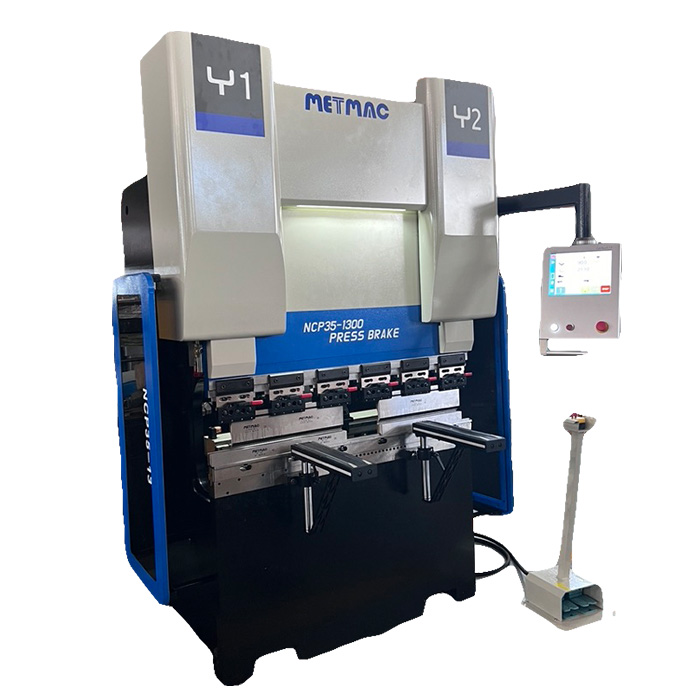
Press Metal Machine: The Definitive Guide to Precision Metal Forming
2026/03/12 -
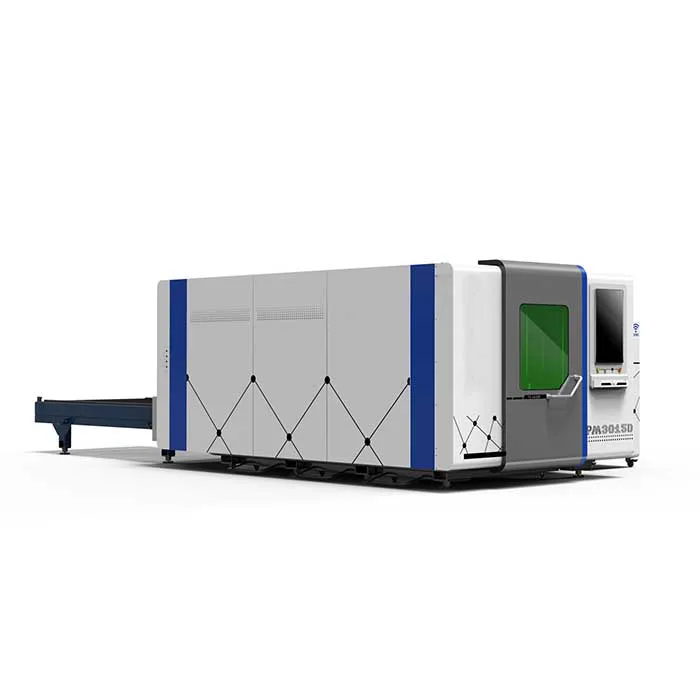
Metal Punching Machine: The Ultimate Guide to Precision Hole Punching
2026/03/10 -
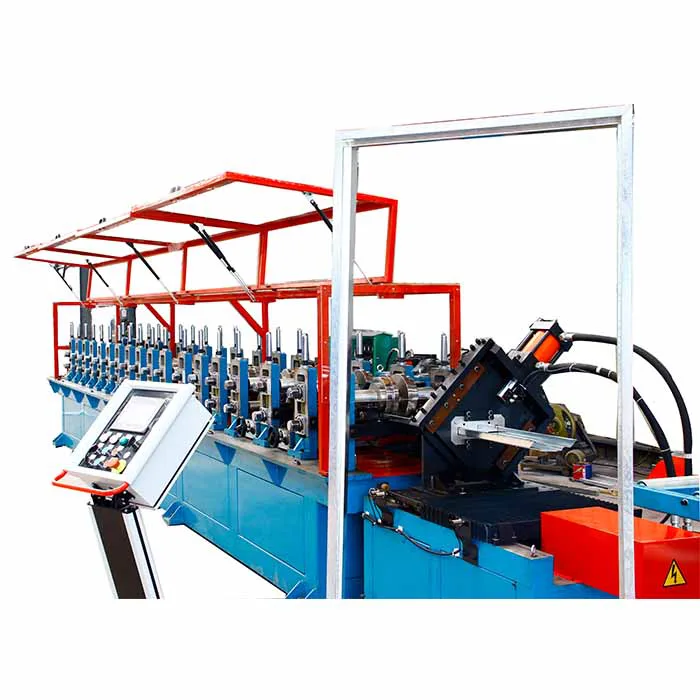
Sheet Metal Machinery: The Ultimate Guide to Industrial Fabrication Excellence
2026/03/04 -

Iron Sheet Laser Cutting Machine: Unmatched Precision for Demanding Fabrication with METMAC
2026/01/06
-
Sheet Metal Press Brake: Ultimate Guide to Precision Bending Technology in 2024
2026/03/13 -
Metal Punching Machine: Ultimate Guide to Precision Manufacturing in 2024
2026/03/11 -
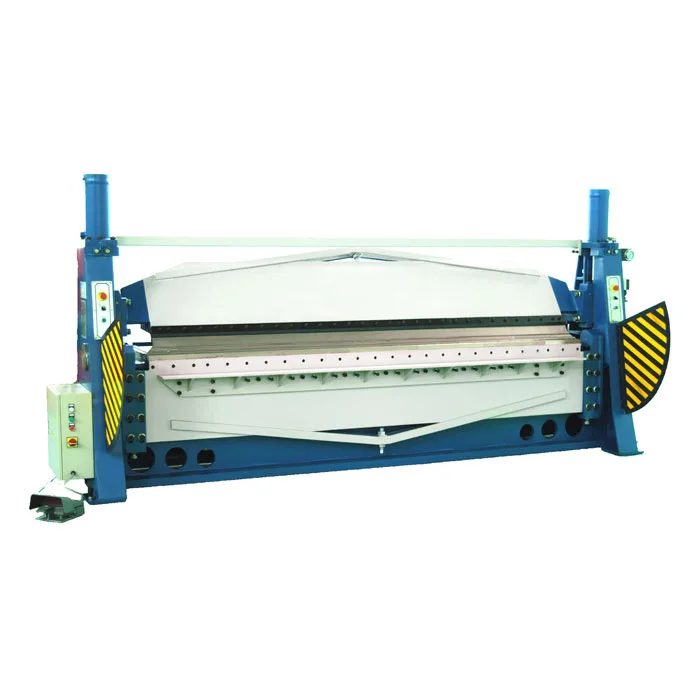
Metal Folding Machine: Comprehensive Guide to Precision Bending in 2024
2026/03/09 -
Sheet Metal Equipment: Ultimate Guide to Industrial Fabrication Solutions in 2026
2026/03/06
-
A Guide to the Latest Innovations in Sheet Metal Folding Machines
2024/11/29 -
Key Features to Consider When Investing in a Sheet Metal Folding Machine
2024/11/28 -
Enhancing Precision with Advanced Sheet Metal Folding Machines
2024/11/27 -
How to Choose the Right Sheet Metal Folding Machine for Your Workshop
2024/11/26
