


Troubleshooting for Flawless Bends- Common Press Brake Issues Solved
In the world of metalworking, precision bending reigns supreme. Press brakes, the maestros of bending, require meticulous attention to detail to achieve immaculate results. However, even these mechanical marvels can succumb to occasional glitches.
1. Obtuse or Acute Angles:
The culprit behind incorrect bending angles often lies in the punch-die clearances. Examine these gaps and ensure they conform to the thickness of the material being bent. If they’re too tight, the material may not bend properly; too loose, and it might buckle.
2. Springback Woes:
Springback, the elastic deformation that occurs after bending, can be a persistent thorn. Overcoming this adversary requires careful selection of the material’s yield strength and proper clamping pressure. Experiment with different materials and techniques to find the sweet spot.
3. Bending like a Banana:
Asymmetrical bends can result from uneven material distribution or misalignment of the machine’s components. Before placing the material in the press, check for any variations in thickness or surface imperfections. Additionally, ensure that the press brake’s table is level and the bending beam is perpendicular to it.
4. Wrinkles and Cracks:
Excessive bending force can wreak havoc on your material, causing wrinkles or even cracks. Adjust the machine’s tonnage and speed to match the material thickness. Using the right die shape and radius can also help mitigate these defects.
5. Robotic Misalignment:
In the realm of automated press brakes, robotic misalignment can introduce chaos into your bends. Regularly inspect the robot’s programming, calibration, and physical components to ensure they play harmoniously.
6. Dirty Dies and Punches:
Accumulation of debris on the bending surfaces can hamper their performance. Regularly clean the dies and punches to remove any dirt or grease, ensuring a pristine contact with the material.
7. Hydraulic or Electrical Gremlins:
Press brakes rely heavily on hydraulics or electrical systems for their operation. If these components act up, it can lead to erratic or even catastrophic results. Always keep an eye on pressure gauges, limit switches, and other vital sensors to nip any potential issues in the bud.
By addressing these common press brake issues, you can unlock the path to flawless bends, ensuring that your metalworking projects shine with precision and beauty. Remember, a well-maintained and calibrated press brake is a happy press brake, ready to bend the world to your will.
-
Choosing HVAC Duct Folding Machines for Flange-Safe Bending
2026/10/13 -
Precision Metal Forming Machines: What Separates Accurate Bends From Scrapped Sheet
2026/10/12 -
What to Look for in an HVAC Folding Machine Manufacturer
2026/10/11 -
Steel Strip Cutting Machine: Engineering Precision in Modern Metal Processing
2026/10/10
-
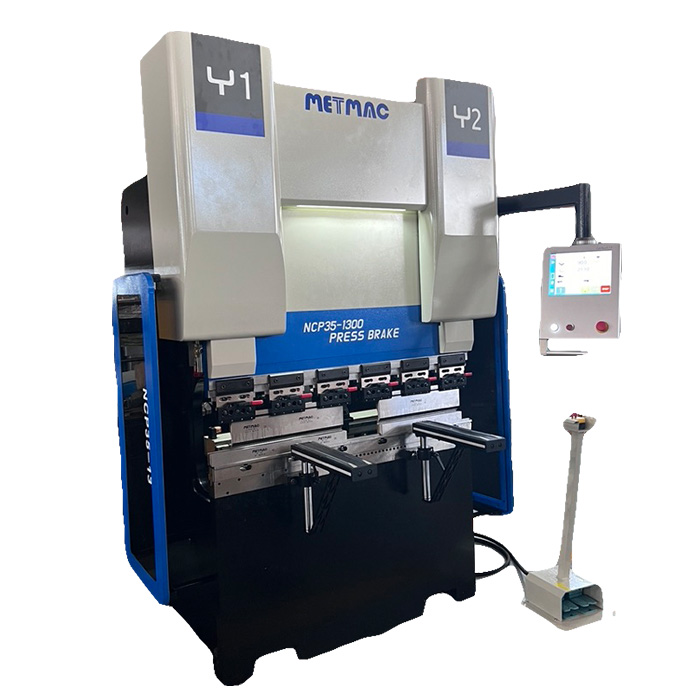
Sheet Metal Press Brake: Ultimate Guide to Precision Bending Technology in 2024
2026/03/13 -
Metal Punching Machine: Ultimate Guide to Precision Manufacturing in 2024
2026/03/11 -
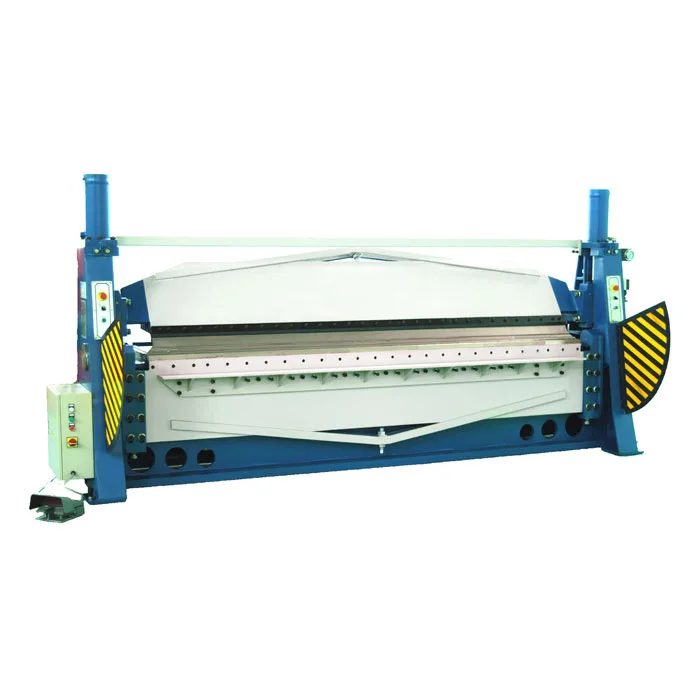
Metal Folding Machine: Comprehensive Guide to Precision Bending in 2024
2026/03/09 -
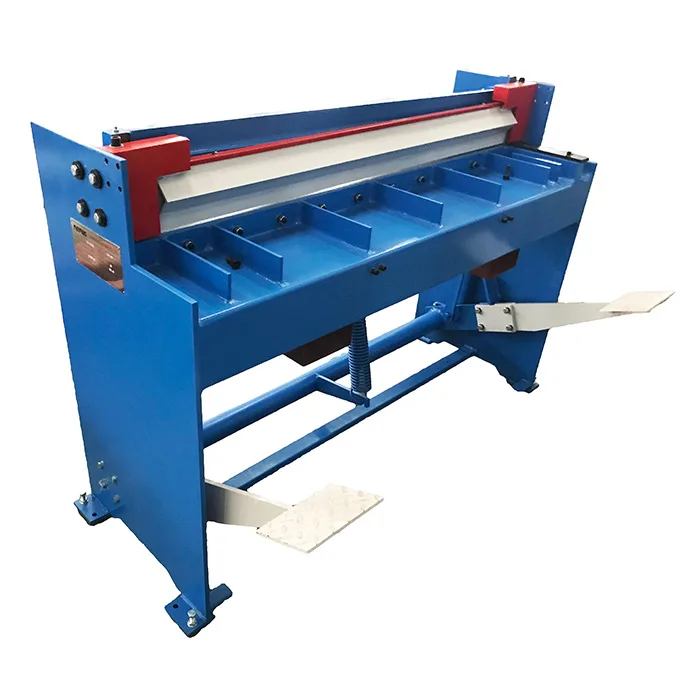
Sheet Metal Equipment: Ultimate Guide to Industrial Fabrication Solutions in 2026
2026/03/06
-
Latest Technological Advancements in Rectangular Duct Machines
2024/05/11 -
Integrating Automation with Rectangular Duct Machines for Enhanced Productivity
2024/05/11 -
Metal Shear Machines- Essential Tools for Precision Metal Cutting
2024/05/11 -
Understanding the Role and Function of Steel Strip Slitting Machines
2024/05/11
-
A Guide to the Latest Innovations in Sheet Metal Folding Machines
2024/11/29 -
Key Features to Consider When Investing in a Sheet Metal Folding Machine
2024/11/28 -
Enhancing Precision with Advanced Sheet Metal Folding Machines
2024/11/27 -
How to Choose the Right Sheet Metal Folding Machine for Your Workshop
2024/11/26
